How to Propagate Pineland fern?
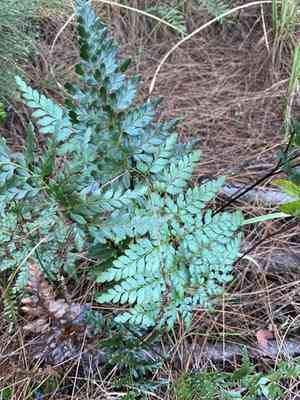
Pineland fern flourishes in porous, somewhat acidic ground. To propagate, scatter spores onto a damp medium and ensure elevated moisture levels. Consistent spraying aids in spore maturation. Offer diffused illumination to mimic its native shadowed environment. Early development may be gradual, thus perseverance is essential. Employing sanitized tools reduces the likelihood of impurities, fostering more robust development.
Optimal Time for Pineland Fern Propagation
Propagation Method
Seeding
Propagation Period
Spring
Tools for Pineland Fern Propagation
Seed Trays
Seed trays facilitate uniform seed distribution and offer an ideal setting for germination and initial development. They ensure proper seed depth and enable easy monitoring of soil moisture, crucial for pineland fern germination.
Fine-mesh Sieve
A fine-mesh sieve is employed to create a finely textured growing medium, perfect for seed germination. For pineland fern, fine soil texture aids in good seed-to-soil contact and supports delicate seedlings.
Misting Bottle
Misting bottles are vital for maintaining sufficient humidity and gently hydrating seeds without dislodging them. Consistent misting helps keep seeds moist, promoting successful pineland fern germination.
Heating Mat
A heating mat delivers steady, regulated warmth to seed trays, which benefits pineland fern germination. This ensures the soil maintains an optimal temperature, boosting germination rates and consistency.
Plant Labels
Plant labels are used to accurately identify seeded trays, preventing confusion. Precise labeling is essential for tracking progress and ensuring planned pineland fern cultivation.
Transparent Dome
A transparent dome cover helps maintain high humidity and a stable environment for germinating pineland fern seeds. This creates a greenhouse effect, accelerating germination and protecting young seedlings.
Potting Mix
A premium, ideally sterilized, potting mix supplies vital nutrients and drainage needed for pineland fern's early growth stages. Using a suitable mix prevents nutrient deficiencies or waterlogging in seedlings.
Propagating Pineland Fern
Propagation Type
Simple
Caring for Newly Propagated Pineland Fern
Caring for Newly Propagated Pineland Fern
After propagating pineland fern, ensure they receive bright, indirect light and maintain high humidity by regular misting or using a humidity tray. Water consistently, allowing the topsoil to dry slightly between waterings. Avoid complete soil dryness. Apply a balanced, diluted fertilizer monthly during the growing season and ensure good air circulation to prevent fungal issues.
Common Errors to Avoid When Propagating Pineland Fern
Overwatering
Excessive moisture can lead to root rot and fungal infections, severely harming or killing pineland fern.
Improper soil conditions
Using dense, poorly draining soil can suffocate roots and impede growth. Pineland fern requires well-draining soil to thrive.
Incorrect light exposure
Placing pineland fern in direct sunlight can scorch its fronds, while insufficient light can hinder development.
Inadequate humidity
Pineland fern flourishes in humid conditions; low humidity can cause fronds to dry out and lead to poor health.
Neglect of pest control
Failing to monitor and address common pests like mites and aphids can result in infestations, compromising the plant's health.
Advice for Propagating Pineland Fern
Utilize well-draining soil
Select a soil mix containing sand, perlite, or peat to ensure proper drainage and prevent root rot.
Maintain humidity
Keep the environment around pineland fern humid by using a humidifier, misting the fronds, or placing the plant on a pebble and water tray.
Provide indirect light
Position pineland fern in a spot where it receives bright, indirect light to mimic its natural habitat.
Monitor watering
Ensure the soil remains consistently moist but not waterlogged. Allow the top layer of soil to dry slightly between waterings.
Regular pest checks
Inspect pineland fern frequently for signs of pests and treat promptly with insecticidal soap or other suitable methods to prevent infestations.



