How to Transplant Wild Comfrey?
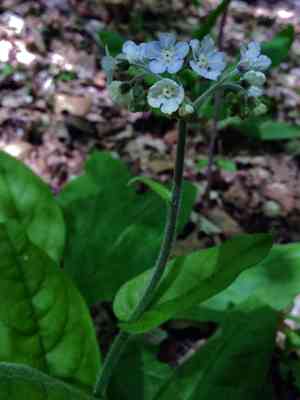
The ideal time to relocate wild Comfrey is during the early to mid-spring, as nature revives. Select a location that offers partial shade and soil with good drainage. A helpful suggestion: Position root sections with adequate spacing to allow for their mature growth.
What Preparations are Needed Before Transplanting Wild Comfrey?
What is the Ideal Time for Transplanting Wild Comfrey?
The optimal period for relocating wild Comfrey extends from the onset of early spring through the gentle, vibrant days of mid-spring. Moving wild Comfrey during this revitalizing phase allows roots to establish comfortably prior to summer's warmth. This season offers moist soil and mild temperatures, fostering robust root development. Consequently, wild Comfrey gains a growth advantage, benefiting from ideal weather and ample time to settle in.
How Much Space Should You Leave Between Wild Comfrey Plants?
Before placing wild Comfrey in your garden, allocate sufficient room between each plant, aiming for approximately 18-24 inches (45-60 cm). This spacing ensures every wild Comfrey has ample area to thrive and display its beauty!
What is the Best Soil Mix for Wild Comfrey Transplanting?
Prepare the planting area for wild Comfrey by blending well-draining soil with some compost or a balanced, slow-release fertilizer. This nourishing foundation will provide a welcoming embrace for your wild Comfrey in its new home!
Where Should You Relocate Your Wild Comfrey?
Select a location for wild Comfrey that receives full sun to partial shade. An area that enjoys 6-8 hours of sunlight would be perfect, ensuring wild Comfrey gets the necessary light without experiencing sunburn!
What Equipments Should You Prepare Before Transplantation Wild Comfrey?
Gardening Gloves
To safeguard your hands while handling soil and plants.
Spade or Garden Shovel
For excavating the wild Comfrey from its current spot and preparing the new planting hole.
Watering Can or Hose
To hydrate the wild Comfrey before and after relocation to minimize transplant shock.
Wheelbarrow or Garden Cart
To move the wild Comfrey and soil without causing damage to the plant.
Pruning Shears
To trim any damaged or excessively long roots prior to planting.
Garden Trowel
For refining the planting hole or incorporating soil amendments if required.
How Do You Remove Wild Comfrey from the Soil?
How Do You Remove Wild Comfrey from the Soil?
From Ground: First, moisten the soil around the wild Comfrey. Then, dig a wide trench around the plant using a spade or shovel, ensuring the root ball remains intact. Carefully work the spade beneath the root ball to lift the wild Comfrey from its original position.From Pot: Thoroughly water the wild Comfrey, then turn the pot on its side and gently tap or squeeze it to loosen the root ball. Carefully slide the wild Comfrey out of the pot while supporting the plant's base and roots.From Seedling Tray: If the wild Comfrey is in a seedling tray, water it well. Use a garden trowel or hand fork to gently lift the soil and root section of each wild Comfrey, taking care not to harm the root system.
Step-by-Step Guide for Transplanting Wild Comfrey
Preparation
Prepare the new site by loosening the soil to aid root establishment. Remove any weeds or debris.
Inspect Roots
Examine the wild Comfrey's root ball and use pruning shears to remove any damaged or dead roots.
Dig Hole
Excavate a hole at the new location that is twice as wide and the same depth as the root ball to encourage root growth.
Position wild Comfrey
Place the wild Comfrey in the center of the hole. The top of the root ball should be level with the surrounding soil surface.
Fill In
Backfill around the wild Comfrey with soil, gently firming it down. Be careful not to bury the plant's crown or stem.
Water Generously
Immediately after planting, thoroughly water the wild Comfrey to settle the soil and eliminate air pockets.
Mulch
Apply a layer of organic mulch around the wild Comfrey to retain moisture and suppress weeds, keeping the mulch away from the plant's stem.
How Do You Care For Wild Comfrey After Transplanting?
Watering
Keep the soil around the wild Comfrey consistently moist, but not waterlogged, for the initial weeks after transplanting to help establish strong roots.
Monitoring
Regularly check the wild Comfrey for indications of stress such as wilting or discolored leaves and address any issues promptly.
Adjustment Period
Allow the wild Comfrey time to acclimate to its new location without adding further stress, such as fertilization, during the first month.
Protection
Provide shelter from strong winds or extreme temperatures as the wild Comfrey establishes itself. This might involve using row covers or temporary shading.
Troubleshooting Common Issues with Wild Comfrey Transplantation.
What's the best time to transplant wild Comfrey?
Relocate wild Comfrey during early to mid-spring to allow its roots to establish before summer.
How far apart should I space wild Comfrey when transplanting?
Position wild Comfrey approximately 18-24 inches (45-60 cm) apart to ensure adequate room for growth.
Why is my wild Comfrey wilting after transplanting?
Wilting may be due to transplant shock. Ensure proper watering and avoid direct sun for a few days.
How deeply should I plant wild Comfrey roots?
Plant wild Comfrey's roots so the crown is level with the soil surface, neither too deep nor too shallow.
What soil should I use to transplant wild Comfrey?
Utilize well-draining soil rich in organic matter to provide the optimal environment for wild Comfrey's roots.
Should I water wild Comfrey immediately after transplanting?
Yes, water wild Comfrey generously right after transplanting to help settle the soil around the roots.
What sunlight conditions does wild Comfrey need post-transplant?
Place wild Comfrey in indirect sunlight for a few days post-transplant then move it to its ideal sunlight condition.
How do I know if wild Comfrey is properly rooted after transplanting?
Look for new growth or gently tug the plant after a few weeks; minimal movement indicates good rooting.
Can I fertilize wild Comfrey after transplanting?
Wait a few weeks before fertilizing to prevent burning the new roots, then use a balanced fertilizer.
What if leaves of wild Comfrey turn yellow after transplanting?
Yellow leaves may indicate over-watering or nutrient deficiency. Adjust watering and consider a soil test for nutrients.



