The Wild Comfrey Plant Advantage: Maximizing Home and Office Appeal and Wellness
1
Wild Comfrey is recognized for its ability to improve soil quality, making it a great asset to any garden.
2
Its extensive root structure aids in preventing soil loss and benefits nearby plant life.
3
It provides a natural home and sustenance for pollinators, boosting ecological variety.
How Does Wild Comfrey Improve Soil Health?
Enhancing Nutrient Content
A key advantage of Wild Comfrey is its capacity to boost the soil's nutritional value. Its deep root system extracts minerals from deeper soil layers, which are then deposited on the surface through decaying leaves and organic matter. This natural process helps restore nutrient levels, benefiting nearby plants and fostering healthier, more fertile soil.
Improving Soil Structure
Wild Comfrey also plays a vital role in enhancing soil structure. The plant's roots help loosen compacted soil, promoting better water penetration and air circulation. Improved soil structure supports stronger root growth for adjacent plants, allowing them to access water and nutrients more efficiently.
What Role Does Wild Comfrey Play in Preventing Soil Erosion?
Stabilizing Soil
Soil erosion can be a major problem, especially in areas prone to heavy rain or wind. Wild Comfrey possesses a robust root system that firmly anchors the soil, reducing the risk of erosion. This characteristic makes it particularly valuable for stabilizing slopes and preventing land degradation.
Supporting Watershed Health
By preventing soil erosion, Wild Comfrey indirectly contributes to watershed health. Stable soil means less sediment washes into waterways, decreasing the risks of siltation and pollution. Consequently, aquatic ecosystems remain healthier, and water quality improves, benefiting both humans and wildlife.
How Does Wild Comfrey Enhance Biodiversity?
Attracting Pollinators
One of the significant ecological advantages of Wild Comfrey is its ability to draw in pollinators like bees, butterflies, and other beneficial insects. The plant's blossoms provide nectar and pollen, crucial food sources for these creatures. By including Wild Comfrey in your garden, you aid in the preservation of pollinator populations, which are essential for the reproduction of many plant species and overall ecosystem health.
Providing Habitat and Shelter
Wild Comfrey offers habitat and refuge for various insects and small animals. Its dense foliage provides cover and nesting sites, supporting local wildlife. By encouraging a more diverse array of species in your garden or natural area, you contribute to a balanced and resilient ecosystem.
Can Wild Comfrey Be Used in Permaculture?
Companion Planting
Wild Comfrey is an excellent choice for companion planting within permaculture systems. Its ability to enrich the soil and offer shade and protection for other plants makes it a valuable partner for various crops. Gardeners can plant Wild Comfrey alongside vegetables, herbs, and fruit trees to create a more integrated and sustainable growing environment.
Creating Natural Barriers
Another effective application of Wild Comfrey in permaculture is as a natural barrier. The plant's dense growth can act as a windbreak, protect against pests, and delineate garden boundaries. Utilizing Wild Comfrey as a living barrier not only serves practical purposes but also adds aesthetic value to your landscape.
What Are Some Practical Uses of Wild Comfrey in Landscaping?
Aesthetic Appeal
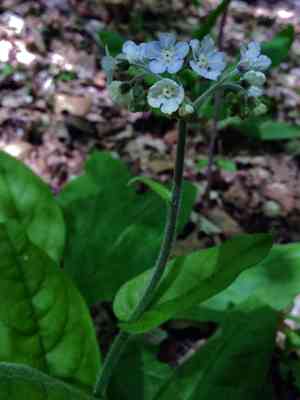
Beyond its ecological benefits, Wild Comfrey offers visual appeal for landscaping projects. Its lush green leaves and attractive flowers make it a striking addition to any garden. Whether used as ground cover, a border plant, or a focal point in a mixed planting, Wild Comfrey can enhance the visual charm of your outdoor space.
Low Maintenance Requirements
One of the practical advantages of incorporating Wild Comfrey into your landscaping is its minimal maintenance needs. The plant is robust and adapts well to various soil types and conditions. Once established, it requires little watering and care, making it an ideal choice for gardeners seeking low-effort, high-impact plants.



