How to Prune Wild Comfrey?
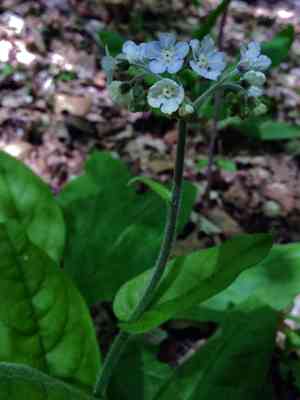
This perennial herb, recognized by its fuzzy leaves and campanulate blossoms, flourishes with little upkeep. For wild Comfrey, trimming should concentrate on deadheading faded flowers to stimulate further blooming and eliminating any compromised or ailing leaves. The ideal period for pruning is from late spring to summer, following the flowering phase. Consistent pruning enhances plant robustness and visual attractiveness, simultaneously deterring self-propagation if not wanted. Verify that implements are sanitized to prevent pathogen dissemination.
What Are the Benefits of Pruning Wild Comfrey?
What Are the Benefits of Pruning Wild Comfrey?
Trimming wild Comfrey encourages vigorous development and maintains its form, ensuring a robust structure and attractive outline. This practice is vital for directing energy to the strongest shoots, enhancing the plant's health and visual appeal.
What Is the Best Time for Pruning Wild Comfrey?
What Is the Best Time for Pruning Wild Comfrey?
Trimming wild Comfrey in late spring allows for the removal of any winter-damaged or dead foliage before the new growing season fully commences. This timing is crucial as it precedes the plant's rapid growth phase, promoting healthier and more robust development. Early summer pruning is also advantageous, especially after wild Comfrey has bloomed. This redirects the plant's energy towards new foliage and root growth instead of seed production. Furthermore, pruning during these seasons minimizes disease transmission risk, as plant pathogens are less active and wounds heal faster in mild weather. Proper timing aligns with wild Comfrey's natural life cycle, fostering optimal health, strong growth, and longevity.
What Tools Do I Need to Prune Wild Comfrey?
Hand Pruners
Ideal for making clean cuts on wild Comfrey's relatively slender stems, hand pruners, or secateurs, are perfect for selectively removing old foliage and spent blooms. Choose bypass pruners over anvil-style for a cleaner cut that aids in better healing.
Gardening Gloves
Handling wild Comfrey may necessitate protection from potential skin irritants. Durable gardening gloves will safeguard hands during pruning.
Loppers
For older, woodier stems of wild Comfrey that may develop over time, loppers are an excellent tool, providing the extra leverage needed for thicker stems, up to two inches in diameter.
Pruning Saw
In cases where wild Comfrey has developed substantial woody growth, a pruning saw is essential for effective plant management and shaping, particularly for cutting stems larger than those manageable by loppers.
Shears
For shaping wild Comfrey or for cutting multiple thin stems simultaneously, shears can be an effective tool. They offer a quick method to uniformly trim the plant's foliage.
How to Prune Wild Comfrey
Clean tools
Sanitize your pruning tools with a solution of 1 part bleach to 9 parts water to prevent disease spread when trimming wild Comfrey.
Remove diseased leaves
Carefully snip off any diseased leaves from wild Comfrey using sharp, clean pruning shears. Make cuts close to the leaf stem's base, being careful not to harm nearby healthy tissue.
Remove withered leaves
Trim away withered or dead leaves on wild Comfrey, which are typically yellow or brown and dry to the touch. This helps direct the plant's energy to healthier growth.
Trim diseased stems
Identify and remove wild Comfrey stems showing disease signs, such as discolored bark or wilted leaves. Cut the stem back to a healthy section, ensuring a clean cut for quick healing.
Dispose of clippings
Discard all removed diseased material from wild Comfrey away from your garden to lessen the chance of disease spreading. Do not compost these trimmings as they may contain harmful pathogens.
Common Pruning Mistakes with Wild Comfrey
Over-pruning
A frequent error with wild Comfrey is removing too much of the plant at once, which can stress it and hinder its ability to thrive.
Improper Cutting
Cutting too close to wild Comfrey's main stem, or making ragged cuts, can harm the plant, leaving it susceptible to disease and pests.
Ignoring Plant Shape
Attempting to force wild Comfrey into an unnatural shape through pruning can result in a weakened plant that flowers less effectively.
Pruning Healthy Growth
A mistake is cutting away healthy growth indiscriminately, which can reduce the plant's vigor and the number of flowers it produces.
Common Pruning Tips for Wild Comfrey
Selective Thinning
For wild Comfrey, gently thin out crowded areas to improve air circulation, which helps prevent disease and allows light to reach the inner leaves.
Making Clean Cuts
Use sharp, clean pruning tools to make precise cuts on wild Comfrey, as this helps the plant heal faster and reduces infection risk.
Shape Naturally
Prune wild Comfrey by following its natural form, rather than imposing an artificial shape, to maintain the plant's health and aesthetic.
Deadheading
Regularly remove spent flowers from wild Comfrey to encourage more blooms and prevent the plant from expending energy on seed production.



