How to Transplant Mountain torchwood?
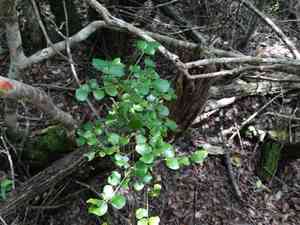
The ideal period for transplanting mountain torchwood spans the gentle months from the beginning to the end of spring. This timeframe guarantees superior root development. Make certain mountain torchwood is situated in a bright, adequately draining spot for peak growth results.
What Preparations are Needed Before Transplanting Mountain Torchwood?
What is the Ideal Time for Transplanting Mountain Torchwood?
The best time to move mountain torchwood is from early to late spring. During this period, the soil warms up and sunlight increases, which helps roots settle and grow. Transplanting early gives mountain torchwood enough time to adjust before the intense summer growth, leading to a stronger, healthier plant.
How Much Space Should You Leave Between Mountain Torchwood Plants?
Ensure mountain torchwood are spaced approximately 5-6 feet (1.5-1.8 meters) apart. This provides ample room for each plant to develop and flourish without excessive competition for resources.
What is the Best Soil Mix for Mountain Torchwood Transplanting?
Utilize soil that drains well, ideally a sandy loam. Before transplanting, incorporate some organic compost as a foundational fertilizer. This enriches the soil with essential nutrients for mountain torchwood to establish robust roots.
Where Should You Relocate Your Mountain Torchwood?
Select a spot where mountain torchwood will receive full sun, meaning at least 6-8 hours daily. This ensures the plant grows vigorously and obtains all necessary light.
What Equipments Should You Prepare Before Transplantation Mountain Torchwood?
Gardening Gloves
To safeguard your hands while handling soil and plants.
Shovel or Spade
For excavating the plant and preparing its new ground location.
Watering Can or Hose
To hydrate the mountain torchwood both before and after its relocation.
Trowel
For managing smaller plants and ensuring precise placement in their new spot.
Pruning Shears
To trim any damaged or dead roots and leaves prior to transplanting.
Compost or Organic Matter
To enrich the soil at the new planting site.
How Do You Remove Mountain Torchwood from the Soil?
How Do You Remove Mountain Torchwood from the Soil?
From Ground: First, moisten the soil around the mountain torchwood by watering it. Then, dig a wide trench around the plant with a shovel or spade, making sure the plant's root ball stays intact. Carefully work the spade beneath the root ball to lift the plant from its original spot.From Pot: Water the mountain torchwood beforehand. Gently tilt the pot sideways and tap it to loosen the soil. Carefully slide the plant out, supporting its base and roots to prevent harm.From Seedling Tray: Water the seedlings to dampen the soil. Use a trowel or your fingers to carefully lift each seedling by its leaves or stem, taking care not to damage the roots.
Step-by-Step Guide for Transplanting Mountain Torchwood
Site Preparation
Prepare the new planting location by digging a hole that is twice as wide and the same depth as the mountain torchwood's root ball.
Soil Enrichment
Combine the excavated soil with compost or organic material to enhance its nutrient content and drainage.
Plant Placement
Position the mountain torchwood in the hole, ensuring the top of its root ball is level with the surrounding ground. Backfill the hole with enriched soil, gently firming it down to eliminate air pockets.
Initial Watering
Water the mountain torchwood thoroughly to help the soil settle and minimize transplant shock.
How Do You Care For Mountain Torchwood After Transplanting?
Watering
Maintain consistent moisture in the soil around the mountain torchwood, avoiding sogginess, for the initial weeks post-transplant to aid in root establishment.
Mulching
Apply a layer of mulch around the base of the mountain torchwood to retain moisture, stabilize soil temperature, and inhibit weed growth.
Pruning
Remove any dead or damaged leaves and stems so the mountain torchwood can direct its energy towards developing new roots.
Monitoring
Regularly inspect the mountain torchwood for indications of stress or disease and address any issues promptly to ensure a successful transition.
Troubleshooting Common Issues with Mountain Torchwood Transplantation.
When is the best time to transplant mountain torchwood?
Transplant mountain torchwood during early to late spring for optimal growth and establishment.
How far apart should I space mountain torchwood plants?
Space mountain torchwood plants 5-6 feet apart (1.5-1.8 meters) for proper growth and air circulation.
What soil type is best for transplanting mountain torchwood?
Mountain torchwood thrives in well-draining, sandy or loamy soil with a neutral to slightly acidic pH.
How do I prevent transplant shock in mountain torchwood?
Water mountain torchwood thoroughly before and after transplanting, and provide shade for a few days.
Should I prune mountain torchwood before transplanting?
Pruning mountain torchwood before transplanting reduces stress and encourages new growth; trim dead or damaged branches.
How deep should I plant mountain torchwood during transplant?
Plant mountain torchwood at the same depth it was previously growing, ensuring roots are well-covered.
What is the ideal temperature for transplanting mountain torchwood?
The ideal transplanting temperature for mountain torchwood is between 50-70°F (10-21°C) for best results.
How much water should mountain torchwood receive after transplanting?
Water mountain torchwood thoroughly after transplanting, then maintain consistent moisture until it establishes roots.
Can I use fertilizer when transplanting mountain torchwood?
Use a balanced, slow-release fertilizer when transplanting mountain torchwood to support healthy root development.
What are the signs of a successful mountain torchwood transplant?
Healthy, new growth and no wilting indicate a successful mountain torchwood transplant process.



