How to Propagate Mountain torchwood?
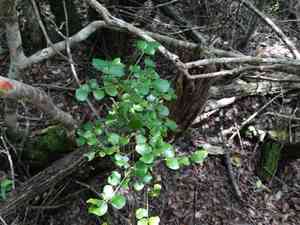
Mountain torchwood, a species within the Rutaceae family, flourishes optimally in porous, sandy substrates under direct sunlight. The propagation of mountain torchwood generally entails the utilization of semi-hardwood sections. Choose robust, unblemished stems and detach the lower foliage, subsequently inserting the cuttings into a damp, adequately aerated rooting substrate. Maintain steady moisture and elevated temperatures to facilitate root formation. Continuously inspect for infestations and ailments during the entire propagation phase.
Optimal Period for Mountain Torchwood Propagation
Propagation Method
Cutting
Propagation Period
Autumn,Winter
Tools for Mountain Torchwood Propagation
Pruning Shears
Utilize pruning shears to obtain cuttings from mountain torchwood. Ensure they are sharp and sanitized to achieve clean cuts without harming plant tissue, fostering healthier and more viable cuttings.
Rooting Hormone
Apply rooting hormone to the severed end of mountain torchwood cuttings to stimulate root formation. This aid significantly boosts the likelihood of successful root development by supplying vital growth hormones.
Propagation Tray
A propagation tray enables the planting of multiple mountain torchwood cuttings within a single container. It offers a regulated environment that supports moisture retention and optimal root expansion.
Sterilized Growing Medium
A well-draining, sterilized growing medium is crucial for mountain torchwood cuttings to prevent fungal infections and ensure robust root development. Employ a blend specifically formulated for cuttings to promote root aeration and growth.
Humidity Dome
A humidity dome positioned over the propagation tray helps maintain elevated humidity levels, which are essential for mountain torchwood cuttings to retain moisture and encourage rooting.
Sharp Knife
A sharp knife can be employed to make clean incisions on the stems of mountain torchwood for propagation. A precise, clean cut minimizes infection risk and promotes superior rooting.
Spray Bottle
A spray bottle is necessary to maintain moisture levels around mountain torchwood cuttings without excessive watering. Regular misting keeps the cuttings hydrated and aids the rooting process.
Heat Mat
A heat mat placed beneath the propagation tray provides consistent warmth from below, which accelerates the rooting process for mountain torchwood. It helps maintain an ideal temperature for root development.
How to Propagate Mountain Torchwood?
Propagation Type
Moderately Difficult
Post-Propagation Care for Mountain Torchwood
Post-Propagation Care for Mountain Torchwood
Once roots are firmly established and new growth emerges, transfer mountain torchwood cuttings into individual pots containing well-draining soil. Water consistently but avoid waterlogging. Gradually introduce the young plants to direct sunlight by increasing their exposure over time. Prune as needed to encourage denser growth. Monitor for pests and diseases, and provide balanced fertilizer during the growing season to support healthy development.
Common Errors to Avoid When Propagating Mountain Torchwood
Overwatering
Gardeners frequently overwater mountain torchwood, leading to root rot which weakens the plant and hinders successful propagation.
Improper Soil Mix
Using a dense or poorly draining soil mix can suffocate the roots of mountain torchwood, making it challenging for new cuttings to establish.
Insufficient Light
Providing inadequate light can result in weak and elongated growth, which reduces the chances of successful propagation.
Ignoring Plant Hygiene
Neglecting to use sterilized tools or dealing with infected plants can introduce diseases and pests that impede propagation efforts.
Advice for Propagating Mountain Torchwood
Moderate Watering
Ensure the soil is slightly moist but not saturated. Allow it to dry out somewhat between waterings to prevent root rot.
Well-Draining Soil
Utilize a well-draining soil mixture, such as a blend of peat moss and perlite, to enhance root aeration and growth.
Adequate Light
Position cuttings in an area with ample indirect sunlight to encourage robust and vigorous growth.
Sterile Tools and Clean Environment
Always employ sterilized tools and maintain a clean environment to minimize the risk of disease and pest infestations.



