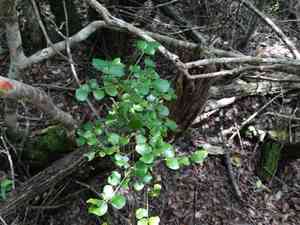
Mountain torchwood (Amyris madrensis)
Also known as: Mountain Torchwood
The mountain torchwood is a hardy shrub well-suited to arid, rocky environments, where it thrives with limited water. Its adaptations include deep roots for accessing underground moisture and small, tough leaves that minimize water loss. The plant is also known for its thorny branches, which deter herbivores. During dry periods, it can conserve water efficiently within its tissues. Additionally, the mountain torchwood emits a unique fragrance due to essential oils in its woody parts, which may also play a role in protecting the plant.
In This Article
Attributes of Mountain torchwood
Lifespan
Perennial
Plant Type
Tree
Plant Height
91 cm to 3.5 m
Spread
1-3 meters
Leaf Color
Glossy green
Flower Size
0.5-1 centimeter
Flower Color
White
Images of Mountain torchwood
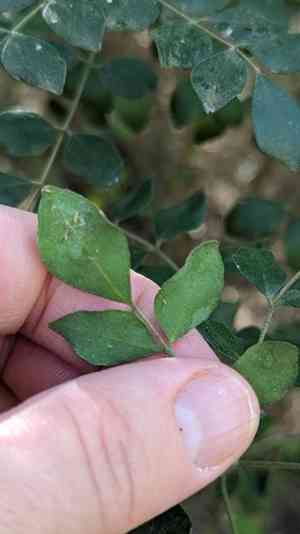
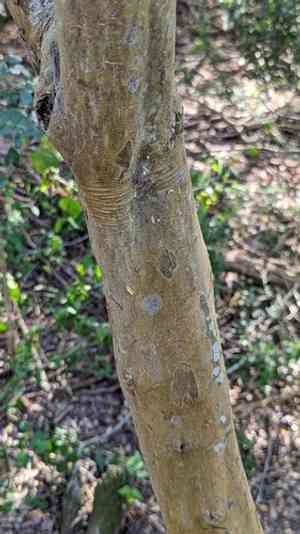
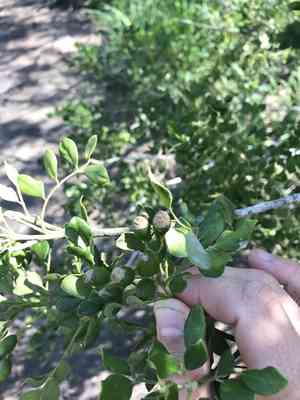
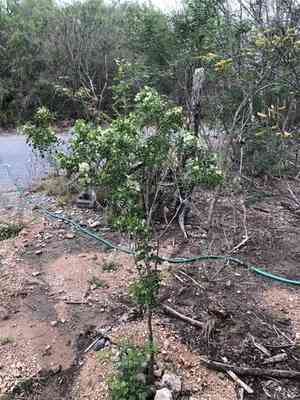
Quickly Identify Mountain torchwood
1
Identify Amyris madrensis by its glossy green leaves which are compound and typically have 3-5 leaflets. The plant has white flowers that bloom in clusters and produce small, black fruits which are a good identifier.
Scientific Classification of Mountain torchwood
Phylum
Vascular plants
Class
Dicotyledons
Order
Sapindales
Family
Rue
Genus
Torchwood
Species
Mountain torchwood
Planting and Growing of Mountain torchwood
Care Difficulty
Moderate
Watering Schedule
Every 2 days
Sunlight Requirements
Full sun
Sunshine Duration
10-12 hours
Ideal Temperature
65-75℉
Soil Type
Potting Mix, Peat Mix
Soil pH
6.5-7.5
Fertilizer Type
Balanced
Pruning Season
Spring, Summer
Pruning Area
Branches, Leaves
Pruning Frequency
2 times a year
Repotting Season
Spring
Pot Type
Plastic, Ceramic
 How to Water Mountain torchwood?
Water this plant with about 500ml per session. The soil should be kept moderately moist, but not waterlogged. Check if the first inch of soil is dry before watering. This allows the roots to breathe and prevents rot.
What are the symptoms of an underwatered Mountain torchwood?
›
What should I do if my Mountain torchwood is not getting enough water?
›
What are the symptoms of an overwatered Mountain torchwood?
›
How to save an overwatered Mountain torchwood?
›
 What Are the Sunlight Requirements for Mountain torchwood?
Amyris madrensis ideally requires full sun to partial sun exposure, meaning regular sunlight for at least 6 to 8 hours. Adequate light ensures optimal photosynthesis, healthy growth, and enhances its natural aromas and blooming potential.
How much light does Amyris madrensis need?
›
What are the solutions for meeting its light requirements?
›
What are the benefits of ideal light for this plant?
›
 What Is the Ideal Temperature Range for Mountain torchwood?
The ideal temperature range for Amyris madrensis is between 65°F and 75°F. This range is optimal for the plant's growth, allowing for proper photosynthesis and metabolic processes. Amyris madrensis thrives in this moderate temperature range, promoting healthy foliage and development.
 What Soil is Best for Mountain torchwood?
Amyris madrensis thrives in nutrient-rich soils that provide essential minerals. Such soils offer the plant a steady supply of nutrients necessary for growth, resulting in vibrant foliage and robust development. This plant requires soil with excellent drainage to prevent root rot. Well-draining soil helps maintain the right moisture balance, allowing roots to breathe and promoting healthy growth. While drainage is important, the soil should also retain some moisture. Balancing drainage and moisture retention ensures Amyris madrensis receives adequate hydration for optimal growth.
 How to Fertilize Mountain torchwood?
For Amyris madrensis, apply liquid fertilizer at a rate of one teaspoon per gallon of water every time you fertilize. For slow-release fertilizer, use about 1/4 cup per plant per application. This ensures the plant has enough nutrients without overwhelming its root system.
 How to Prune Mountain torchwood?
Start by identifying any dead or diseased branches. These are usually brittle and have no green wood inside. Removing them first helps prevent the spread of disease to healthy parts of the plant. Trim back overgrown areas to maintain the desired shape and size of the Amyris madrensis. This should be done carefully, maintaining the natural silhouette of the plant while ensuring air circulation and light penetration. When cutting back branches, make your cuts just above a node (the point where leaves are attached). This encourages the plant to produce new growth from these nodes, leading to a fuller appearance. After pruning, regularly check the new growth for signs of pests or disease, and prune again if necessary. This ongoing maintenance will help keep your Amyris madrensis healthy and vibrant.
More About Pruning Techniques→
 How to Propagate Mountain torchwood plant?
1
Choose a healthy parent plant free from disease and pests. This ensures that the cuttings taken are vigorous and have a higher chance of successful propagation.
2
Use pruning shears to cut a 4-6 inch section from the stem, making sure to include at least two nodes. Remove leaves from the lower half to reduce water loss.
3
Dip the cut end in rooting hormone and plant it in a pot filled with well-draining soil. Water lightly to settle the soil around the cutting.
 How to Repot Mountain torchwood plant?
1
Repot Amyris madrensis when you notice signs such as roots growing out of the drainage holes, soil that dries out too quickly, or stunted growth. These are clear indicators that your plant needs a roomier home.
2
Select a pot that is 1-2 inches larger in diameter than the current one. Ensure it has sufficient drainage holes. A slightly larger pot provides space for growth without causing waterlogging, which can be detrimental to Amyris madrensis.
3
Opt for a well-draining potting mix. This choice supports healthy root growth and prevents water accumulation, which could lead to root rot. A good soil blend ensures your plant gets both adequate moisture and oxygen.
Learn More About Mountain torchwood Diseases
Anthracnose
Bacterial Leaf Spot
Bacterial Wilt
Black Spot
Chemical Injury
Crown Gall
Damping-off
Downy Mildew
Drought Stress
Fusarium Wilt
Gray Mold
Leaf Curl
Leaf Spot
Mosaic
Nutrient Deficiency
Nutrient Toxicity
Powdery Mildew
Root Rot
Root-knot Nematode
Rusts
Sooty Mold
Spider Mites
Temperature Stress
Thrips Damage
White Mold



