How to Prune Mountain torchwood?
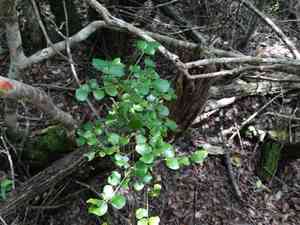
The mountain torchwood, recognized for its fragrant, sun-loving characteristics and thick canopy, thrives with trimming performed from late winter through early spring. Essential methods involve excising deceased or ailing limbs, reducing congested sections to enhance airflow, and sculpting to preserve its intended shape. Consistent trimming fosters robust development and deters ailments. Verify that implements are keen and sanitized to avert harm and contagions. Adhering to a deliberate pruning schedule markedly boosts the mountain torchwoodâs vigor and visual charm.
What Are the Benefits of Pruning Mountain Torchwood?
What Are the Benefits of Pruning Mountain Torchwood?
Mountain torchwood needs trimming to grow robustly and keep an appealing form. Pruning helps manage its size, encourages dense leaves, enhances air flow, and lowers pest and disease risks. Regular trimming also stimulates healthy development and boosts overall plant vigor.
What Is the Best Time for Pruning Mountain Torchwood?
What Is the Best Time for Pruning Mountain Torchwood?
Mountain torchwood is best trimmed in early spring or late winter because this timing aligns with the plantâs natural dormant phase, reducing stress and promoting healthier new growth. Pruning during these seasons helps avoid disrupting blooming or fruiting periods and allows the plant to build energy reserves for the upcoming growing season, fostering strong growth and overall plant vitality.
What Tools Do I Need to Prune Mountain Torchwood?
Hand pruners
Hand pruners are crucial for making clean cuts on small branches, typically up to ¾ inch in diameter. They offer precision and are suitable for routine upkeep.
Loppers
Loppers are perfect for cutting medium-sized branches, usually up to 1 ½ inches in diameter. They provide leverage and can reach more challenging spots.
Pruning saw
A pruning saw is necessary for larger branches that are too thick for hand pruners or loppers. The saw's teeth are designed to cut through wood cleanly.
Pole pruner
Pole pruners are useful for reaching higher branches without needing a ladder. They are especially helpful for mature specimens or taller growth.
Bypass pruners
Bypass pruners are essential for making clean, live cuts on plants. They function like scissors and are good for precise cuts to encourage healthy regrowth.
How to Prune Mountain Torchwood
Inspection
Examine mountain torchwood thoroughly to identify dead and diseased branches. Look for branches with no leaves, discolored bark, or unusual growth patterns.
Preparation
Sanitize pruning tools with a solution of one part bleach to nine parts water to prevent the spread of disease.
Cutting dead
Cut dead branches back to a healthy part of the plant or to the main stem. Make clean cuts just outside the branch collar to promote faster healing.
Removal diseased
Prune diseased branches by cutting at least 12 inches below the visibly affected area. Dispose of these branches away from the gardening area to prevent the disease from spreading.
Final check
Conduct a final check on mountain torchwood to ensure all dead and diseased parts have been removed. Ensure the plant retains a balanced shape and structure.
Common Pruning Mistakes with Mountain Torchwood
Improper Technique
Using dull or unclean pruning tools can cause damage to the plant tissue, leading to disease and delayed healing. Incorrect cutting angles can also harm the plant.
Over-Pruning
Removing too much foliage at once can stress the plant, reducing its ability to produce energy through photosynthesis. It can also lead to a weakened structure and fewer blooms.
Under-Pruning
Failing to prune enough can result in an overgrown, tangled plant structure that limits air circulation and light penetration, promoting disease.
Ignore Dead or Diseased Wood
Leaving dead or diseased branches on the plant can allow pathogens to spread, affecting the overall health of the plant.
Incorrect Cutting
Making cuts too close to the main stem or leaving stubs can hinder proper healing and lead to infections.
Common Pruning Tips for Mountain Torchwood
Use Sharp, Clean Tools
Ensure that all pruning tools are sharp and clean to make precise cuts and prevent the spread of disease.
Prune Gradually
Remove only about one-third of the plant's growth at a time to avoid stressing the plant. This allows mountain torchwood to recover and grow more vigorously.
Focus on Air Circulation
Remove any crossing branches or growth in the interior of the plant to improve air circulation, which helps prevent disease.
Cut at Correct Angles
Make cuts at a 45-degree angle about ¼ inch above a bud that points in the direction you want new growth to go. This helps promote desired growth patterns and decreases the chance of water damage.
Remove Weak or Crowded Branches
Thin out the plant by removing weaker or crowded branches. This helps the plant focus its energy on stronger, healthier growth and improves overall structure.



