How to Transplant Climbing aster?
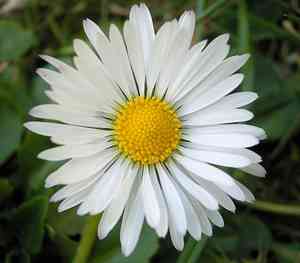
The ideal period for relocating climbing aster is amidst the mild temperatures of mid-to-late spring, allowing the root system to settle prior to the summer's intense warmth. Select locations offering partial shade and damp earth; peat moss assists in root anchoring and moisture preservation.
Essential Preparations Before Relocating Climbing Aster
Optimal Timing for Relocating Climbing Aster?
Moving climbing aster during the perfect period of mid-to-late spring guarantees root establishment prior to summer. This schedule encourages robust development and abundant blooms, a true joy for gardeners!
Recommended Spacing Between Climbing Aster Plants?
Allocate approximately 3-4 feet (0.9-1.2 meters) of space for each climbing aster plant. This ample room allows them to expand comfortably and achieve their full growth potential! This is a simple yet crucial step for a thriving garden.
Ideal Soil Blend for Climbing Aster Relocation?
For climbing aster, a light, well-draining soil is most effective! Consider amending your garden soil with peat moss and compost. This serves as your plant's foundational nourishment, so also incorporate a general-purpose fertilizer. This preliminary work helps your climbing aster flourish!
Where to Position Your Climbing Aster?
Your climbing aster thrives in sunlight! Locate a spot that receives at least 6 hours of sun daily. If you're uncertain, remember that early morning light is less intense than harsh afternoon rays. The correct placement is vital for a healthy climbing aster.
Equipment Needed for Climbing Aster Transplantation
Gardening Gloves
To safeguard your hands while handling soil and climbing aster.
Hand Trowel
For excavating soil for removal and replanting climbing aster.
Shovel
Useful for larger, mature plants requiring deeper excavation.
Watering Can or Hose
To hydrate the plant before and after the relocation process.
Pruning Shears
To trim back any overgrown branches or foliage, which helps reduce stress on the climbing aster during transplantation.
Wheelbarrow or Container
A means to transport the climbing aster from its original spot to the new location.
Garden Stakes or Supports
These assist the climbing aster in climbing and promote vertical growth, especially in the initial stages after transplanting.
How to Extract Climbing Aster from the Ground?
How to Extract Climbing Aster from the Ground?
From Ground: Before attempting to remove the climbing aster from the ground, thoroughly water the plant. This will moisten the soil, making it easier to dig. Use a shovel to carefully dig around the climbing aster, ensuring no damage to the root system. Work the shovel under the root ball and gently lift it, taking care to keep the root ball intact.From Pot: First, water the climbing aster thoroughly. Then, turn the pot sideways, gently hold the base, and tap the rim on a firm surface. This will loosen the plant's root ball, making it easier to slide out. If the plant doesn't slide out easily, you may need to break the pot.From Seedling Tray: It is essential to wait until climbing aster has developed sufficiently to be safely handled. Be gentle to avoid damaging the delicate stem or roots. Create a hole with your fingers or a spoon and lift the seedling by a leaf, not the stem, then gently separate the roots.
Step-by-Step Guide for Relocating Climbing Aster
Prepare the New Location
Before relocating, prepare the new site. Ensure it is free of weeds. Dig a hole that is twice as wide and slightly deeper than the climbing aster's root ball.
Position the Plant
Place the climbing aster in the hole, with the top of the root ball level with or slightly above the ground. The plant should be upright and straight.
Backfill the Hole
Gently backfill the hole, being careful not to harm the climbing aster's roots or stem.
Water the Plant
After planting, thoroughly water the climbing aster. This will help settle the soil around the plant.
Install Supports
Erect garden stakes or supports to assist the climbing aster in climbing. Loosely tie the plant to the supports to guide its growth.
Post-Transplantation Care for Climbing Aster
Watering
It is crucial to ensure your climbing aster does not dry out after transplantation. Keep the soil around the climbing aster consistently moist until it shows signs of new growth.
Pruning
Once the climbing aster has established and begun new growth, consider light pruning to shape the plant and encourage a bushier habit.
Supporting
Monitor your climbing aster as it grows. You may need to adjust its support system or add more supports as it climbs and expands.
Monitoring
Watch for signs of stress or disease, such as wilting or spots on leaves. Early detection and intervention can prevent significant harm to your climbing aster.
Addressing Common Issues with Climbing Aster Relocation.
When is the optimal time to relocate climbing aster?
Relocate climbing aster either in late spring (S2) or early summer (S3) for best growth. These seasons provide climbing aster with ample time to establish roots before winter.
How to ensure proper spacing when relocating climbing aster?
To provide climbing aster with sufficient room to grow, ensure each plant is positioned 3-4 feet (90-120 cm) apart. This allows for optimal growth and air circulation without overcrowding.
What soil conditions are favorable for relocating climbing aster?
Climbing aster prefers well-drained soil. Before relocating, ensure your garden soil does not retain standing water. Incorporating organic matter can enhance soil texture and drainage.
How should I prepare climbing aster for relocation?
Water climbing aster thoroughly the day before relocation to minimize shock and facilitate root removal. Also, trim any unhealthy-looking foliage prior to transplanting.
How deep should I dig the hole for relocating climbing aster?
The hole should be twice the size of the root-ball, approximately 10 inches (25 cm) deep. This provides ample space for roots to spread.
When relocating, how do I handle the roots of climbing aster?
Gently hold the root-ball to prevent damage. Position climbing aster in the hole without tangling the roots, ensuring the top of the root-ball is level with the ground.
What should I do after relocating climbing aster?
After relocating, water climbing aster deeply and maintain consistently moist soil in the subsequent weeks. Also, apply a layer of mulch to keep the roots cool.
How much sunlight is required for a relocated climbing aster?
Climbing aster thrives in full sun to partial shade. If your garden receives intense sunlight, select a spot that gets afternoon shade to protect climbing aster from extreme heat.
What if climbing aster wilts after relocation?
Temporary wilting is normal after relocation. If wilting persists, check soil moisture and root health. Both overwatering and underwatering can cause wilting. Adjust watering as needed.
Can I fertilize climbing aster immediately after relocation?
Avoid fertilizing climbing aster immediately after relocation as it could cause root burn. Wait until climbing aster shows signs of new growth before applying a balanced fertilizer.



