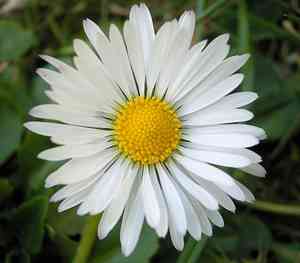
Climbing aster (Ampelaster carolinianus)
Also known as: Climbing Aster
Clematis crispa, native to the southern United States, belongs to the daisy family. This plant uniquely climbs by using other plants for support and showcases pale pink to pale purple flowers.
In This Article
Attributes of Climbing aster
Lifespan
Perennial
Plant Type
Vine, Shrub
Plant Height
3.5 m
Spread
1 m
Leaf Color
Green
Flower Size
2.5 cm to 8 cm
Flower Color
Pink Lavender Purple
Images of Climbing aster
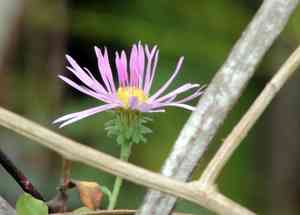
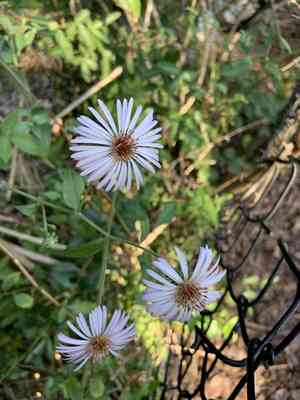
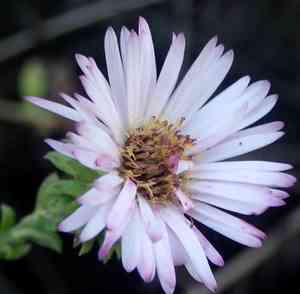
Quickly Identify Climbing aster
1
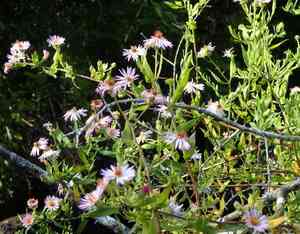
Vivid pink to purple flowers with slender petals and a bright yellow center, 1-2 inches (2.5-5 cm) wide.
2
Simple, alternate, veined leaves that are narrowly oval, 2-4 inches (5-10 cm) long, with a glossy texture.
3
Small, rounded achenes (0.2 inches / 5 mm) enclosed in papery involucres, persistent from November to January.
4
Sprawling herbaceous perennial reaching over 10 feet (3 meters) with climbing stems and interweaving branches.
5
Foliage providing a lush backdrop for vibrant flowering display, emitting a light, pleasant fragrance from September to November.
Scientific Classification of Climbing aster
Phylum
Vascular plants
Class
Dicotyledons
Order
Asterales
Family
Daisy
Genus
Climbing asters
Species
Climbing aster
Planting and Growing of Climbing aster
Care Difficulty
Easy
Watering Schedule
Every 2 days
Sunlight Requirements
Partial sun
Sunshine Duration
6-12 hours
Ideal Temperature
60-75℉
Soil Type
Potting Mix, Peat Mix
Soil pH
5.5-7
Fertilizer Type
Balanced
Pruning Season
Spring, Summer
Pruning Area
Branches, Leaves
Pruning Frequency
2 times a year
Repotting Season
Spring
Pot Type
Plastic, Ceramic
 How to Water Climbing aster?
For Ampelaster carolinianus, you should aim to soak the soil thoroughly until water begins to drain from the bottom of the pot. This ensures that all the roots receive adequate moisture. Allow the top inch of soil to dry out before watering again, maintaining the balance between wet and dry.
What are the symptoms of an underwatered Climbing aster?
›
What should I do if my Climbing aster is not getting enough water?
›
What are the symptoms of an overwatered Climbing aster?
›
How to save an overwatered Climbing aster?
›
 What Are the Sunlight Requirements for Climbing aster?
Ampelaster carolinianus thrives best in 'Partial sun,' gaining from 4 to 6 hours of dappled sunlight. This balance promotes healthy growth, flowering, and foliage vibrancy, supporting overall vigor and resilience.
More About Sunlight Requirements Techniques→
What is the ideal lighting solution for Ampelaster carolinianus?
›
How can you ensure the ideal lighting for Ampelaster carolinianus?
›
What benefits does Ampelaster carolinianus gain from ideal lighting?
›
 What Is the Ideal Temperature Range for Climbing aster?
Ampelaster carolinianus thrives best in temperatures ranging from 60°F to 75°F. This temperature range provides a balanced environment that supports its growth and flowering. Temperatures within this range allow for optimal metabolism and photosynthesis, promoting healthy foliage and blooms. Maintaining these conditions will help in achieving an ideal growth phase for this plant species.
 What Soil is Best for Climbing aster?
Ampelaster carolinianus thrives in well-drained soil that prevents water from pooling around its roots. This is crucial as it helps avoid root rot and ensures the plant receives enough oxygen, promoting vigorous growth. To provide essential nutrients and improve soil structure, the soil for Ampelaster carolinianus should be rich in organic matter. The presence of organic content enhances microbial activity, which supports the plant's overall health and nutrient absorption. While it's important to have well-drained soil, maintaining consistent moisture is key for Ampelaster carolinianus. The soil should retain enough moisture to keep the roots hydrated without becoming waterlogged, supporting the plant during dry spells.
 How to Fertilize Climbing aster?
For Ampelaster carolinianus, apply a balanced liquid fertilizer diluted to half strength, ensuring you do not exceed one tablespoon per gallon of water. Less is often more, as over-fertilization can damage the plant's roots.
 How to Prune Climbing aster?
Begin by surveying your Ampelaster carolinianus for dead, diseased, or damaged branches. These should be removed first, cutting back to the healthy part of the plant. After removing unwanted growth, focus on branches that may be crowding the center of the plant or growing in undesirable directions. Trim these back to encourage airflow and light penetration, fostering a bushier, more robust appearance.
More About Pruning Techniques→
 How to Propagate Climbing aster plant?
1
Gather seeds from mature flower heads in late summer. Ensure they are dried properly before storing them in a cool, dark place until spring planting.
2
Select healthy, non-flowering stems for cuttings. Cut about 4-6 inches with sterilized shears and remove any leaves from the lower part before planting.
3
In spring, carefully dig around the plant's root clump and split it into smaller sections, each with roots, using a clean knife or spade before replanting.
 How to Repot Climbing aster plant?
1
Ampelaster carolinianus needs repotting when you notice roots are crowding the current pot or emerging from drainage holes. Another indicator is when the plant's growth appears stunted despite adequate care. The best time to repot is during its growing season in spring or autumn, allowing the plant to recover quickly thanks to favorable conditions.
2
Select a pot that is one size larger than the current one but no more than two inches in diameter. This size ensures that the new pot provides ample space for root growth without overburdening the plant with excess soil. Choose a pot with good drainage to prevent waterlogging, which helps protect the roots from root rot.
3
Opt for a well-draining potting mix, ideally one that retains some moisture yet allows excess water to escape easily. A blend containing parts of perlite, pine bark, and peat moss works well, providing sufficient aeration and moisture retention. This balance promotes healthy root growth and helps prevent root rot.
Learn More About Climbing aster Diseases
Anthracnose
Bacterial Leaf Spot
Bacterial Wilt
Crown Gall
Cyst Nematode
Damping-off
Downy Mildew
Drought Stress
Fusarium Wilt
Gray Mold
Leaf Spot
Mosaic
Nutrient Deficiency
Nutrient Toxicity
Powdery Mildew
Root Rot
Root-knot Nematode
Rusts
Sooty Mold
Spider Mites
Temperature Stress
Thrips Damage
White Mold



