How to Prune Climbing aster?
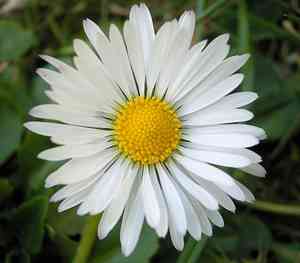
This enduring vine, recognized for its vivid autumn blossoms and ascending nature, flourishes with consistent trimming. For climbing aster, perform pruning in early spring or late winter to foster robust development and amplify flowering. Shorten elongated stems and eliminate any lifeless or impaired wood to preserve its form and vitality. Trimming additionally incites fresh sprouts, resulting in thicker foliage and a greater abundance of flowers. This particular variety benefits from a measured technique; excessive pruning might diminish its blooming capacity.
Advantages of Trimming Climbing Aster
Advantages of Trimming Climbing Aster
Trimming climbing aster promotes robust development and maintains its intended form. By selectively removing plant sections, it revitalizes the plant and fosters a stronger framework, directly contributing to a healthier and more visually appealing specimen.
Optimal Time for Trimming Climbing Aster
Optimal Time for Trimming Climbing Aster
Late winter and early spring are the best periods for trimming climbing aster. Pruning in late winter, just before the spring growth surge, helps prevent potential cold damage to new growth that might occur from earlier trimming. Additionally, the plant is dormant then, which reduces stress and allows the gardener to clearly see its structure. Trimming in early spring is also suitable as it coincides with climbing aster's rapid growth phase, enabling quick recovery and directing energy into producing strong, new growth. During this time, the risk of disease and pests is also lower. Pruning after the spring growth period could remove flower buds, thereby reducing the plant's ability to bloom in the subsequent season. Thus, these periods ensure climbing aster's health and encourage optimal flowering.
Tools Required for Trimming Climbing Aster
Hand Pruners
These are crucial for making clean cuts on smaller stems, up to approximately 1/2 inch in diameter. They are ideal for deadheading and shaping climbing aster without harming the plant's delicate structure.
Loppers
For thicker stems, up to 2 inches in diameter, which climbing aster may occasionally develop, loppers provide the necessary leverage and cutting power to make clean cuts without stressing the plant or the gardener.
Pruning Saw
This tool is essential for removing any dead or diseased branches that are too thick for hand pruners and loppers. Climbing aster can sometimes have larger, woody growths that require a saw for effective pruning.
Pole Pruner
For the high climbing branches of climbing aster, a pole pruner can be very useful. It allows gardeners to trim the plant without using ladders, ensuring safety and reach.
Gardening Gloves
To protect the gardener's hands from thorns and rough plant material, gloves should be worn while trimming climbing aster.
Pruning Shears
These can be used for shaping climbing aster, as well as for fine-tuning the plant's aesthetic appearance after the main trimming work has been completed.
How to Trim Climbing Aster
Cleanup
Remove all diseased and withered leaves from climbing aster using sharp, sterilized pruning shears. Carefully make cuts close to the base of each leaf to avoid damaging healthy tissue.
Disinfect
Disinfect the pruning shears before and after each cut when removing diseased material to prevent the spread of pathogens.
Thinning
Thin out dense areas by selectively pruning back some of the oldest stems to their point of origin to improve air circulation, which is especially beneficial for climbing aster's health and flower production.
Shape
Shape climbing aster by lightly trimming back overgrown stems to maintain the desired structure. This will encourage new growth and a fuller appearance.
Inspect
After pruning, inspect climbing aster to ensure that all diseased and withered leaves have been removed and that the overall shape and structure are as desired.
Common Trimming Errors with Climbing Aster
Excessive Pruning
Removing too much growth at once can stress climbing aster, hindering its development and potentially leading to disease or pest infestation.
Neglecting tool sanitation
Using dirty pruning tools can introduce pathogens to climbing aster, potentially causing infections and diseases.
Incorrect cut placement
Improperly placed cuts can lead to uneven growth or damage. Cuts should be made just above a leaf node where new growth can emerge.
Tearing stems
Making imprecise cuts or using dull tools can tear the stems of climbing aster, which can make the plant more susceptible to diseases.
Overlooking weak or diseased growth
Failing to remove diseased, dead, or weak stems can hinder the overall health and aesthetic of climbing aster, as these can drain energy from healthier parts.
General Trimming Advice for Climbing Aster
Clean, sharp tools
Always use clean, sharp pruning shears or scissors to ensure healthy cuts that climbing aster can recover from quickly, minimizing stress and infection risks.
Selective thinning
Thin out climbing aster selectively to shape the plant and enhance air circulation. This can help prevent fungal diseases and promote vigorous growth.
Encourage lateral growth
Prune to encourage lateral growth, which can create a fuller plant and increase flower production. Cut just above a leaf set that is facing outwards to direct new growth in that direction.
Post-flowering pruning
After the blooming phase, lightly prune climbing aster to remove spent flowers and encourage a potential second bloom, as well as to maintain a desirable shape.
Consistency and moderation
Regular, moderate pruning is better than infrequent, harsh pruning. It keeps climbing aster manageable and healthy while allowing gardeners to spot any issues early.



