The Climbing aster Plant Advantage: Maximizing Home and Office Appeal and Wellness
1
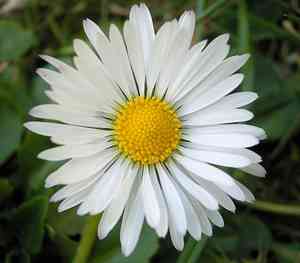
The climbing aster is recognized for its lovely, aromatic flowers that draw in beneficial insects.
2
This species offers a hardy choice for gardens requiring minimal upkeep.
3
Climbing aster serves as an effective ground cover and helps prevent soil degradation.
What Makes Climbing aster Stand Out?
Appealing Flowers
A key characteristic of Climbing aster is its striking, fragrant blossoms that emerge in late summer or early autumn. These flowers display hues of pink and lavender, offering a visually pleasing addition to your garden. They not only enhance the scenery but also stimulate the senses with their aroma, making outdoor areas more pleasant.
Attracts Beneficial Insects
Pollinators like bees and butterflies are naturally drawn to Climbing aster's vibrant flowers. This not only aids in the plant's reproduction but also benefits the entire garden's ecosystem. By attracting helpful insects, Climbing aster contributes to the health and vigor of other plants in your garden.
Cultivating and Caring for Climbing aster
Optimal Soil Conditions
Climbing aster thrives in well-drained soil rich in organic matter. For best growth, ensure the soil maintains a slightly acidic to neutral pH level. Incorporating compost or organic mulch can supply essential nutrients and improve soil structure, promoting robust root development.
Watering and Light Requirements
While Climbing aster is quite hardy, it does need consistent watering, especially during its initial growth phase. Once established, it becomes more tolerant of dry conditions. Ensure the plant receives at least six hours of sunlight daily for the most abundant blooms. Partial shade is acceptable, but flowering may be less profuse.
Practical Uses of Climbing aster in Landscaping
Ground Cover and Erosion Control
Due to its spreading growth habit, Climbing aster serves as an excellent ground cover. It can be particularly useful in areas prone to erosion, such as slopes and embankments. By spreading and covering the ground, Climbing aster helps stabilize the soil and prevent erosion.
Low-Maintenance Garden Choice
If you're looking for a low-maintenance plant that still offers beauty and advantages to your garden, Climbing aster is an ideal selection. Once established, it requires minimal care beyond occasional watering and pruning to remove dead or damaged stems. This makes it perfect for gardeners aiming to reduce upkeep while maximizing visual and practical benefits.
Companion Plants for Climbing aster
Complementary Plantings
Climbing aster pairs beautifully with other perennials and shrubs that share similar growing conditions. Plants such as goldenrod, asters, and sedum make excellent companions. These combinations not only enhance aesthetic appeal but also create a more biodiverse and resilient garden ecosystem.
Creating a Pollinator Sanctuary
By planting Climbing aster alongside other pollinator-friendly plants, you can establish a haven for bees, butterflies, and other beneficial insects. This not only boosts your garden's biodiversity but also supports local wildlife, contributing to environmental conservation efforts.
How to Propagate Climbing aster
Propagation via Cuttings
One of the simplest methods to propagate Climbing aster is through stem cuttings taken during the growing season. Select healthy, non-flowering stems, cut below a node, and plant them in a well-draining potting mix. Keep the soil moist and the cuttings in a shady area until roots develop, usually within a few weeks.
Division Technique
Another effective way to propagate Climbing aster is by division. This method works best in early spring or late fall. Dig up an established plant, carefully separate its root clump into smaller sections, and replant them in your desired location. This not only aids in propagation but also revitalizes the parent plant.



