How to Transplant California false indigo?
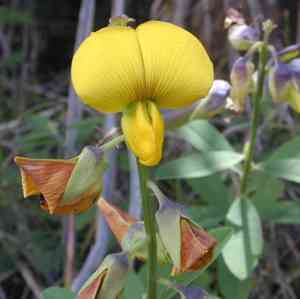
California false indigo flourishes when relocated during the advantageous period from early to mid-spring, requiring ample illumination and soil that drains effectively. A partially protected spot encourages robust development, improving its successful rooting.
What Preparations are Needed Before Transplanting California False Indigo?
What is the Ideal Time for Transplanting California False Indigo?
California false indigo, a perennial, is best moved from the beginning to the end of spring. This timeframe offers ideal soil moisture, moderate temperatures, and extended daylight, which promote root development and growth. Transplanting then maximizes survival and vigorous development by aligning with the plant's natural growth cycle.
How Much Space Should You Leave Between California False Indigo Plants?
Ensure each california false indigo plant is spaced approximately 3-5 feet (0.9-1.5 meters) apart. This provides ample room for them to grow and thrive without overcrowding.
What is the Best Soil Mix for California False Indigo Transplanting?
Prepare soil that drains well and is loamy, enriched with organic compost. Incorporating a balanced base fertilizer, such as a 10-10-10 NPK blend, will support healthy growth for your california false indigo.
Where Should You Relocate Your California False Indigo?
Select a site that receives full sun to partial shade. California false indigo flourishes with 6-8 hours of daily sunlight, but it can endure some afternoon shade in warmer climates.
What Equipments Should You Prepare Before Transplantation California False Indigo?
Gardening Gloves
To safeguard your hands while handling soil and the plant.
Small Shovel or Spade
For digging around and beneath the plant to carefully lift it.
Watering Can
To moisten the soil before removal and to irrigate after transplanting.
Tarp or Container
To move the plant and prevent soil spillage.
Garden Fork
To gently separate roots if needed.
Mulch
To retain moisture and stabilize soil temperature post-transplanting.
Stakes and Ties
To support the plant as necessary until it becomes established.
How Do You Remove California False Indigo from the Soil?
How Do You Remove California False Indigo from the Soil?
From Ground: First, water the california false indigo plant to moisten the soil. Next, dig a wide trench around the plant using a shovel or spade, ensuring the plant's root ball remains intact. Carefully work the spade beneath the root ball to lift the plant from its original spot.From Pot: Gently tap the pot's sides to loosen the soil. Hold the plant at its base and tilt the pot to slide the plant out. If it's stuck, run a garden fork around the edge to further loosen it.From Seedling Tray: Lightly water the seedlings to facilitate removal. Gently push up from the bottom of the tray cells or use a small tool to lift the seedlings out, taking care to keep the root system undamaged.
Step-by-Step Guide for Transplanting California False Indigo
Prepare Transplant Site
Dig a hole twice as wide and slightly deeper than the root ball of the california false indigo.
Remove Plant
Extract the california false indigo from its current location using the appropriate method.
Inspect Root Ball
Examine the root ball for any damaged or circling roots and trim if necessary.
Place in New Hole
Position the california false indigo in the center of the hole at the same depth it was previously growing.
Backfill Soil
Fill the hole with soil, gently tamping down to remove air pockets. Ensure the plant is upright and stable.
Water Thoroughly
Water the california false indigo deeply to help settle the soil around the roots.
Apply Mulch
Spread a 2-3 inch layer of mulch around the base of the california false indigo, leaving space around the stem to prevent rot.
Support Plant
If needed, use stakes and ties to support the california false indigo until it is established.
How Do You Care For California False Indigo After Transplanting?
Watering
Keep the soil around the california false indigo consistently moist but not waterlogged for the initial weeks after transplanting to aid in developing strong roots.
Mulching
Maintain a layer of mulch to retain moisture and regulate soil temperature, but keep it from directly touching the stem.
Monitoring
Regularly observe the california false indigo for signs of stress or disease, and ensure it receives adequate water.
Pruning
Prune any dead or damaged growth to help the california false indigo direct its energy towards root establishment.
Troubleshooting Common Issues with California False Indigo Transplantation.
When is the best time to transplant california false indigo?
Transplant california false indigo from early spring to late spring for optimal growth and establishment.
How much space should I leave between california false indigo plants?
Ensure 3-5 feet (1-1.5 meters) of spacing to provide enough growing room for california false indigo.
How deep should I dig the hole for california false indigo?
Dig a hole twice as wide and as deep as the root ball of california false indigo.
What type of soil is best for transplanting california false indigo?
California false indigo prefers well-draining soil; amend with compost if soil is heavy or compacted.
How should I prepare california false indigo for transplanting?
Water california false indigo thoroughly the day before transplanting to reduce transplant shock.
What is the ideal watering schedule after transplanting california false indigo?
Water deeply every few days for the first few weeks, then weekly thereafter.
How do I protect california false indigo from transplant shock?
Mulch around california false indigo to retain moisture and insulate roots from temperature fluctuations.
Can I transplant california false indigo during hot weather?
Avoid transplanting california false indigo during hot weather; cooler temperatures help reduce stress on the plant.
What should I do if california false indigo shows signs of stress after transplanting?
Provide extra water and shade if california false indigo appears wilted or stressed after transplanting.
How should I care for california false indigo after transplanting?
Regularly check soil moisture, apply mulch, and protect from extreme weather conditions.



