How to Prune California false indigo?
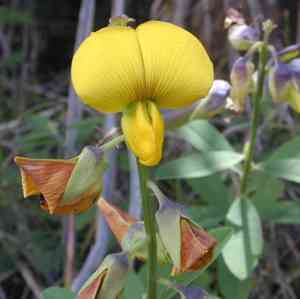
California false indigo is a bush recognized for its appealing leaves and vivid floral spikes. Trim in late winter or early spring to eliminate deceased or compromised branches and sculpt the plant. Reduce up to one-third of the most mature stalks to stimulate fresh development and enhance air movement. Consistent trimming boosts flowering and preserves a dense shape. Verify that tools are disinfected to avert illness spread. Refer to regional directives for any area-specific recommendations.
What Are the Benefits of Pruning California False Indigo?
What Are the Benefits of Pruning California False Indigo?
Pruning California false indigo promotes robust development and helps maintain its form. This improves its overall look and vitality, making it more resistant to pests and diseases. Regular trimming also encourages more abundant blooms.
What Is the Best Time for Pruning California False Indigo?
What Is the Best Time for Pruning California False Indigo?
Trimming or pruning california false indigo in early spring and late winter is optimal for several reasons. First, this timing aligns with the plant's growth cycle, as california false indigo is dormant in late winter and just beginning to awaken in early spring. This minimizes plant stress and aids in quick recovery. Pruning during these periods also allows for better shaping and stimulates new growth before the flowering season, ensuring a more vigorous and attractive appearance. Additionally, trimming at these times helps manage the plant's size and removes any dead or damaged branches that may have occurred over winter, thereby promoting overall plant health and facilitating a strong blooming phase afterward.
What Tools Do I Need to Prune California False Indigo?
Bypass Pruners
Perfect for precise cuts on living branches up to 1/2 inch thick, ensuring clean cuts to prevent damage and encourage healthy regrowth in california false indigo.
Loppers
Crucial for cutting larger branches up to 1 1/2 inches thick, providing extra leverage and cutting power needed for mature, thicker stems of california false indigo.
Pruning Saw
Essential for removing thicker branches exceeding 1 1/2 inches in diameter, ensuring smooth, clean cuts that minimize harm to california false indigo.
Hedge Shears
Useful for shaping and trimming california false indigo to maintain a desired form, especially for efficiently removing soft, new growth.
How to Prune California False Indigo
Inspect
Carefully examine california false indigo for any diseased or withered foliage. These will typically appear discolored or wilted.
Tools
Prepare and sanitize pruning shears or scissors to prevent disease transmission. Ensure tools are sharp for clean cuts.
Remove diseased leaves
Locate diseased leaves. Cut them off at least 1 inch below the affected area to ensure complete removal. Dispose of these leaves properly to prevent contamination.
Remove withered leaves
Identify withered leaves on california false indigo. Trim them close to the base of the leaf stem without harming healthy tissue. Discard these leaves appropriately.
Clean up
After pruning, clear the plant's base by removing fallen leaves and debris. This helps reduce the risk of disease and pests returning.
Common Pruning Mistakes with California False Indigo
Improper Technique
Using dull or dirty tools can lead to jagged cuts that expose california false indigo to disease and pests. Always use sharp, clean pruners.
Over-pruning
Removing too much of california false indigo at once can stress the plant and hinder its growth. Avoid cutting more than one-third of the plant at a time.
Pruning at the Wrong Time
Although exact season timing is not mentioned here, pruning at inappropriate times can hinder california false indigo's flowering and overall health.
Ignoring Dead or Diseased Wood
Failing to remove dead, diseased, or damaged branches can spread diseases and pests throughout california false indigo.
Flat-topping
Cutting the top of california false indigo uniformly can lead to a growth spurt of weak, spindly branches instead of a healthy, sturdy structure.
Common Pruning Tips for California False Indigo
Sterilize Tools
Before and after pruning, sanitize your tools with rubbing alcohol to prevent the spread of diseases.
Cut at an Angle
Make angled cuts to allow water to run off, reducing the risk of rot and disease on california false indigo.
Identify and Remove Weak Branches
Regularly check for and prune weak, crossing, or inward-facing branches to improve air circulation and light penetration.
Use the Right Tools
Opt for bypass pruners instead of anvil-style pruners for cleaner cuts on california false indigo, reducing damage to plant tissue.
Consider the Plant's Natural Shape
Prune california false indigo in a way that maintains its natural form and encourages a balanced structure, which supports healthy growth and flowering.



