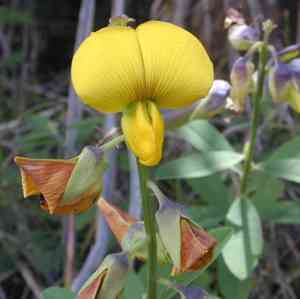
California false indigo(Amorpha californica)

California false indigo (Amorpha californica)

Also known as: California False Indigo, Bastard Indigo

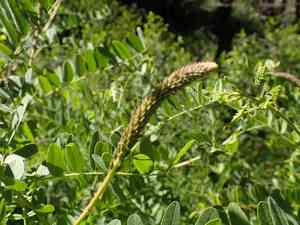
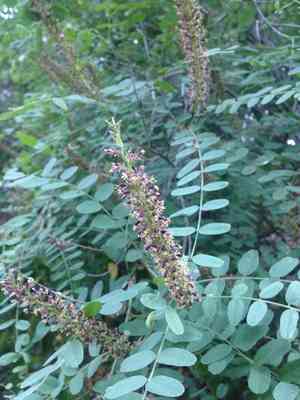
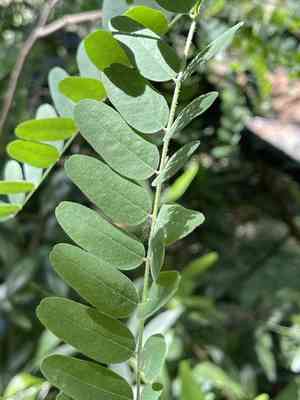
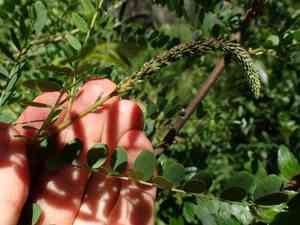
California false indigo (Amorpha californica) is a perennial shrub native to the chaparral and woodlands of California. It features compound leaves with numerous small leaflets, giving it a delicate, textured look. The shrub stands erect and can grow over a meter tall. In late spring to early summer, it showcases spikes of vivid purple flowers that attract various pollinators.

**Characteristics:**
- Perennial shrub
- Height: Over 1 meter
- Compound leaves with small leaflets
- Spikes of purple flowers

**Habitat Requirements:**
- Native to chaparral and woodlands
- Prefers well-drained soils
- Thrives in Mediterranean climates
- Highly drought-resistant

California false indigo is an excellent choice for landscaping and ecological restoration projects due to its drought tolerance and attractiveness to pollinators.

Attributes of California false indigo

Lifespan
Perennial
Plant Height
3 to 10 feet
Spread
2 to 4 feet
Leaf Color
Green
Flower Size
0.2 to 0.4 inches
Flower Color
Dark purple

ForwardPlant - Identify plants with a snap

Identify and diagnose plants, get toxicity alerts, and explore safety guides for all types of fungi.

Try for Free

Images of California false indigo

California false indigo(Amorpha californica)

Quickly Identify California false indigo

1
Identify Amorpha californica by its pinnately compound leaves with 13-17 leaflets, and its distinctive dark purple flowers arranged in spike-like clusters. The stems and leaves are usually hairy.

Scientific Classification of California false indigo

Phylum
Vascular plants
Class
Dicotyledons
Order
Fabales
Family
Legume
Genus
False indigos
Species
California false indigo

Planting and Growing of California false indigo

Care Difficulty
Easy
Watering Schedule
Every 2 days
Sunlight Requirements
Partial sun
Sunshine Duration
4-8 hours
Ideal Temperature
60-75℉
Soil Type
Potting Mix, Peat Mix
Soil pH
6.5-7.5
Fertilizer Type
Balanced
Pruning Season
Spring, Summer
Pruning Area
Branches, Leaves
Pruning Frequency
2 times a year
Repotting Season
Spring
Pot Type
Terracotta, Plastic

water icon How to Water California false indigo?

Amorpha californica requires around 500 milliliters of water per session. Ensure the soil is soaked but not waterlogged, letting excess water drain out. The idea is to keep the soil moist but not flooded, mimicking its natural habitat's conditions.
What are the symptoms of an underwatered California false indigo?
What should I do if my California false indigo is not getting enough water?
What are the symptoms of an overwatered California false indigo?
How to save an overwatered California false indigo?

sunlight icon What Are the Sunlight Requirements for California false indigo?

Sunlight Requirements: Partial sun
Duration of light: 4-6 hours daily
Partial sun ensures Amorpha californica receives enough light for healthy growth without direct exposure's intense effects, promoting balanced development and vigorous blooming.
What is the optimal lighting condition for Amorpha californica?
How can I achieve this ideal lighting for Amorpha californica?
What benefits will Amorpha californica gain from ideal lighting?

temperature icon What Is the Ideal Temperature Range for California false indigo?

Ideal Temperature: 60 ~ 75℉
Amorpha californica thrives best in temperatures ranging from 60°F to 75°F. This range is optimal for its growth as it provides a balanced environment that supports its physiological processes.

soil icon What Soil is Best for California false indigo?

Soil type: Loam, Sandy loam
Soil PH: 6.5 ~ 7.5
Amorpha californica thrives in soils that provide excellent drainage, preventing root rot. Good drainage allows the roots to breathe and absorb necessary nutrients without becoming waterlogged. This plant benefits from nutrient-rich soil, promoting healthy growth and vibrant foliage. A nutrient-dense environment supports robust plant health and enhances floral displays. While this plant favors well-drained soils, a certain degree of moisture retention is essential to support its growth in drier periods, ensuring the plant remains hydrated.

fertilize icon How to Fertilize California false indigo?

Fertilizer type: Balanced
Amorpha californica requires careful attention to fertilization. Use a balanced, all-purpose fertilizer, applying about half the recommended concentration for most plants. This ensures nutrients are provided without overwhelming the plant's natural growth cycle.

prune icon How to Prune California false indigo?

Pruning Time: Spring, Summer
Begin pruning by identifying branches that are dead, diseased, or crossing over others. These branches should be the first to go to ensure the plant's energy is directed towards healthier, stronger growth. When pruning Amorpha californica, always use sharp, clean tools to make cuts at a 45-degree angle above a healthy bud. This encourages new growth to shoot in the direction of the bud more efficiently. Thin out the interior branches to improve air circulation. This reduces the risk of fungal diseases. Focus on areas where branches are overly dense to allow sunlight and air to penetrate all parts of the shrub. More About Pruning Techniques

propagate icon How to Propagate California false indigo plant?

Propagate Time: Spring, Early spring
1
Seed collection should occur when pods are dry and brown. This ensures maximum viability. Gently open the pods to avoid damaging seeds and store them in a cool, dry place until sowing.
2
Sow seeds in trays filled with a well-draining potting mix. Cover them lightly with soil and water gently to maintain moisture. Ensure a constant temperature for germination efficiency.
3
Select healthy stems for cuttings in early spring. Each cutting should be about 4-6 inches long with several leaf nodes. Removing the lower leaves before planting the cuttings in moist soil is important.
More About Propagating Techniques

repot icon How to Repot California false indigo plant?

Repotting frequency: Every 3-4 years
1
Amorpha californica signals its need for repotting when its roots begin to emerge through the drainage holes, indicating it's outgrowing its current pot. This usually occurs every few years. Additionally, if water seems to drain through too quickly or there's reduced growth despite proper care, it's time to consider repotting.
2
When selecting a pot for Amorpha californica, choose one that is about 2 inches larger in diameter than its current pot to allow for growth. Ensure the pot has adequate drainage holes to prevent waterlogging. A terracotta pot is ideal due to its breathability, helping excess moisture escape, thus discouraging root rot.
3
The ideal soil for repotting Amorpha californica is a well-draining potting mix, potentially mixed with perlite or sand to enhance aeration and drainage. This kind of soil prevents water retention that could lead to root rot, thus promoting healthy growth and robust flowering.

ForwardPlant - Identify plants with a snap

Find the best spots for them to optimize their health, simply using your phone.

Try for Free