How to Propagate California false indigo?
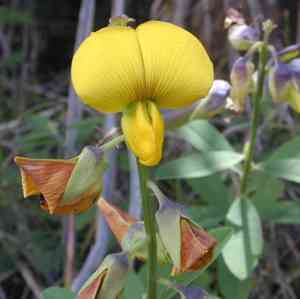
California false indigo is an indigenous woody plant that flourishes in porous ground, frequently encountered in chaparral and coastal sage scrub environments. To propagate, disperse seeds into a fine, sandy substrate. Lightly press them onto the soil's surface without fully burying them, and maintain the medium's dampness until sprouting occurs. Young plants benefit from initial dappled light to avoid desiccation.
When Is the Best Time to Propagate California False Indigo?
Propagation Type
Sowing
Propagation Season
Spring
What Tools Are Used in California False Indigo Propagation?
Seed Trays
Seed trays are vital for starting california false indigo seeds indoors or in a controlled setting. They offer a structured method to sow numerous seeds and observe their germination. These trays often include drainage holes to prevent waterlogging and encourage healthy root growth.
Seed Starting Mix
Utilizing a seed starting mix is essential for california false indigo as it provides a well-draining and sterile medium, helping to prevent disease and promote robust seedling development. This mix is finer and lighter than standard potting soil, which benefits the delicate roots of young plants.
Heat Mat
A heat mat can be employed to deliver consistent bottom warmth to seed trays, which is advantageous for the germination of california false indigo seeds. Maintaining a steady, warm temperature can boost germination rates and accelerate the process, especially in cooler climates.
Humidity Dome
Humidity domes assist in maintaining a moist and humid environment, which is favorable for the germination of california false indigo seeds. They prevent the soil from drying out and keep seedlings at a consistent humidity level, crucial for their initial growth phases.
Labeling Stakes
Labeling stakes are important for identifying california false indigo seedlings, particularly when sowing multiple varieties or species. Keeping track of what is planted where aids in providing appropriate care and accurately monitoring their development.
Watering Can with Fine Rose
A watering can with a fine rose head ensures gentle watering, critical for california false indigo as it prevents disturbing or dislodging seeds and seedling roots. Gentle watering guarantees the soil remains evenly moist without causing erosion or excessive compaction.
Spray Bottle
A spray bottle can be used to mist the soil surface and seedlings, providing delicate and even moisture distribution. This is especially useful during the initial germination stages for california false indigo, helping to keep the seed starting mix moist without overwatering.
Sharp Knife or Pruners
Sharp knives or pruners are useful for taking cuttings if vegetative propagation is also being considered. Clean, precise cuts help prevent damage and reduce disease risk, improving the chances of successful propagation.
Rooting Hormone
Rooting hormone can be beneficial when propagating california false indigo via cuttings. It enhances root development from cuttings, making it easier for them to establish and grow into strong plants. Using this can significantly improve the success rate of vegetative propagation.
How to Propagate California False Indigo?
Propagation Type
Easy
How to Care for Your Newly Propagated California False Indigo?
How to Care for Your Newly Propagated California False Indigo?
Following successful propagation and transplanting, care for california false indigo involves consistent watering to establish roots, ensuring the soil stays moist but not waterlogged. Apply mulch around the plant bases to help retain moisture and suppress weeds. Provide full to partial sunlight, and regularly check for pests and diseases. Prune as needed to maintain shape and encourage bushier growth. California false indigo thrives in well-drained soils, and occasional feeding with a balanced, all-purpose fertilizer during the growing season can promote healthy development.
Common Mistakes to Avoid When Propagating California False Indigo
Overwatering
Leads to root rot as california false indigo prefers well-drained soil. Excessively wet conditions can suffocate roots and foster fungal diseases.
Incorrect Soil Type
Using heavy clay soil can hinder proper drainage. California false indigo thrives in sandy or loam soils that provide good aeration.
Improper Seed Storage
Failing to stratify seeds or storing them incorrectly can reduce germination rates. Freshness and appropriate storage conditions are vital for seed viability.
Lack of Light
Seedlings require ample light for healthy growth. Insufficient light can result in weak, elongated plants.
Transplanting Too Early
Moving seedlings outdoors before they are robust enough can lead to transplant shock due to sudden environmental changes.
Tips For Propagating California False Indigo
Use Well-Drained Soil
Ensure the planting medium is sandy or loamy to facilitate proper root respiration and prevent waterlogging.
Optimal Seed Stratification
Stratify seeds by placing them in a cold, moist environment to break dormancy and enhance germination success.
Monitor Watering
Water seeds and seedlings just enough to keep the soil moist but not saturated. Always allow the top layer of soil to dry out slightly between waterings.
Provide Adequate Light
Position seedlings in a location with full to partial sunlight to support strong and healthy growth.
Acclimate Gradually
Harden off seedlings by gradually exposing them to outdoor conditions over a week or two to mitigate transplant shock.



