How to Transplant Rough-fruit amaranth?
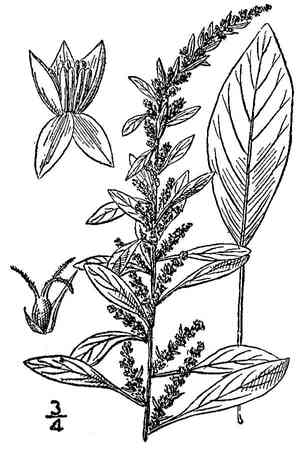
The most favorable period for relocating rough-fruit amaranth is from late spring to early summer, which guarantees peak development. Select bright spots featuring soil that drains effectively. Careful management of the root system during the transfer is crucial for this annual plant's thriving.
What Preparations are Needed Before Transplanting Rough-fruit Amaranth?
What is the Ideal Time for Transplanting Rough-fruit Amaranth?
The best time to move rough-fruit amaranth is during its peak growth period, from after the last frost until early summer. Moving rough-fruit amaranth then takes advantage of longer days and mild temperatures, allowing roots to establish well before intense heat. This timing aligns perfectly with rough-fruit amaranth's growth cycle, encouraging strong development. A helpful hint: this is when rough-fruit amaranth thrives most, so give your plants the best possible start!
How Much Space Should You Leave Between Rough-fruit Amaranth Plants?
Greetings, gardening enthusiast! Before placing your lovely rough-fruit amaranth in its new spot, let's ensure they have ample room to flourish. Aim to space each plant approximately 10-18 inches (25-45 cm) apart. This provides them sufficient space to grow without feeling cramped!
What is the Best Soil Mix for Rough-fruit Amaranth Transplanting?
To prepare the ground for your rough-fruit amaranth, a well-draining loam or sandy soil will create a comfortable environment. Incorporate a balanced, slow-release fertilizer to provide initial nourishment. Look for a blend like 10-10-10 to supply an equal distribution of nutrients.
Where Should You Relocate Your Rough-fruit Amaranth?
Sunlight is crucial for your rough-fruit amaranth, so a bright location where they can receive at least 6-8 hours of direct sun daily would be perfect. An open area, free from the shade of larger plants or structures, will keep your rough-fruit amaranth thriving happily!
What Equipments Should You Prepare Before Transplantation Rough-fruit Amaranth?
Gardening Gloves
To safeguard your hands while handling soil and plants.
Spade or Garden Trowel
For digging and moving soil.
Watering Can or Hose
To hydrate the plant before and after relocation.
Garden Fork
To loosen the soil surrounding the plant's root mass.
Wheelbarrow or Garden Cart
For transporting the plant and soil if needed.
Pruning Shears
To trim any damaged roots or leaves.
Measuring Tape
To assist in proper plant spacing.
Mulch
To retain soil moisture and suppress weeds post-transplant.
How Do You Remove Rough-fruit Amaranth from the Soil?
How Do You Remove Rough-fruit Amaranth from the Soil?
From Ground: Hydrate rough-fruit amaranth to soften the surrounding earth. Use a spade or garden fork to carefully dig around the plant, maintaining a generous distance from the main stem to protect the root ball. Gently pry beneath the root ball to lift the plant from its original spot.From Pot: Begin by watering rough-fruit amaranth to facilitate easier removal. Tilt the pot sideways and gently tap its sides to loosen the root ball. Hold the plant's base and carefully ease it out, keeping the soil and roots intact.From Seedling Tray: Water the tray to ensure roots are not dry. Use a plant marker or small tool to work around individual root cells. Gently lift the plant by its leaves, avoiding pulling the stem, ensuring the root ball remains whole.
Step-by-Step Guide for Transplanting Rough-fruit Amaranth
Transplant Timing
Ensure to transplant rough-fruit amaranth in the early morning or on an overcast day to minimize transplant shock.
Hole Preparation
Dig a hole in the ground that is twice the width of rough-fruit amaranth's root ball and the same depth to maintain its previous soil level.
Root Inspection
Examine rough-fruit amaranth's root ball for any signs of damage or disease and use pruning shears to remove any affected parts.
Plant Placement
Position rough-fruit amaranth in the center of the hole and gently spread out the roots if they are too dense.
Backfilling
Refill the hole with soil, firming it around rough-fruit amaranth's roots to eliminate any air pockets.
Watering
Water rough-fruit amaranth thoroughly after planting to settle the soil and remove more air gaps, providing the roots with sufficient moisture.
How Do You Care For Rough-fruit Amaranth After Transplanting?
Stabilizing
Stake rough-fruit amaranth if needed to offer support and prevent wind damage.
Monitoring
Check rough-fruit amaranth regularly to ensure the soil stays moist, especially during the initial weeks. Be attentive and address any signs of transplant shock or stress.
Mulching
Apply a layer of mulch around rough-fruit amaranth to help retain moisture and suppress weeds.
Supporting Growth
Consider adding a stake or support if rough-fruit amaranth appears to be leaning or is in a particularly windy location.
Troubleshooting Common Issues with Rough-fruit Amaranth Transplantation.
When is the best time to transplant rough-fruit amaranth seedlings outdoors?
The ideal period is during the mild days of late spring to early summer, allowing for gentle acclimatization.
How far apart should I space rough-fruit amaranth when transplanting?
Aiming for a distance of 10-18 inches (25-45 cm) between rough-fruit amaranth provides ample room for growth and good air circulation.
Why are my transplanted rough-fruit amaranth wilting post-transplant?
Wilting may indicate transplant shock; ensure careful handling, adequate watering, and initial protection from intense sunlight.
What should I do if rough-fruit amaranth shows signs of leaf yellowing?
Leaf yellowing often suggests overwatering or poor soil drainage; ensure the soil is moist but drains well.
Can I transplant rough-fruit amaranth during a hot day?
Transplant during cooler parts of the day, such as early morning or late afternoon, to reduce stress on rough-fruit amaranth.
How deep should I plant rough-fruit amaranth's roots in the soil?
Roots should be planted at the same depth they were previously grown, to encourage healthy adjustment to new soil.
Do I need to amend the soil before transplanting rough-fruit amaranth?
Yes, enriching the soil with compost or well-rotted manure can enhance nutrient content for rough-fruit amaranth's growth.
How do I water rough-fruit amaranth after transplanting?
Water thoroughly immediately after transplanting and then keep the soil consistently moist, without over-saturating.
My rough-fruit amaranth is leggy post-transplant, what should I do?
Leggy growth indicates insufficient light. Gradually increase their exposure to sunlight to strengthen stems.
Should I use fertilizer immediately after transplanting rough-fruit amaranth?
It's best to wait a few weeks before applying fertilizer to allow rough-fruit amaranth to settle into its new environment.



