How to Propagate Rough-fruit amaranth?
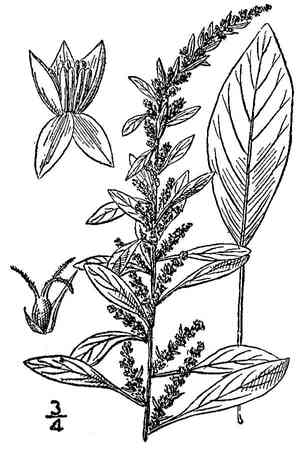
Rough-fruit amaranth, an indigenous North American variety, flourishes across diverse settings such as cultivated lands and disrupted zones. Successful propagation occurs via seeding, necessitating the dispersal of seeds in adequately draining soil with sufficient sunlight. Sow on the surface since light facilitates germination; lightly pressing seeds into the soil or applying a thin soil layer offers stability without hindering sprouting. Maintain uniform dampness, avoiding saturation. Reducing seedling density can foster more vigorous development by averting excessive crowding. Being a resilient species, rough-fruit amaranth demands little extra attention once rooted, though ensuring ample room and provisions will maximize its development.
Optimal Period for Rough-fruit Amaranth Propagation
Propagation Method
Seeding
Propagation Period
Spring
Tools for Rough-fruit Amaranth Propagation
Seed trays
Seed trays are vital for uniformly starting rough-fruit amaranth's seeds and can accommodate multiple plants, giving young roots ample space to develop. The cell design in a seed tray supports individual plant growth, minimizing transplant shock when seedlings are moved to a larger container or the ground.
Fine-pointed tweezers
Fine-pointed tweezers are useful for precisely handling rough-fruit amaranth's tiny seeds during planting. This tool ensures even distribution and correct placement of seeds without damage, which is essential for achieving high germination rates.
Misting bottle
A misting bottle is used to gently hydrate rough-fruit amaranth seeds without disturbing their position in the soil. The fine spray keeps the soil moist, providing necessary hydration during the critical germination phase, while preventing soil compaction or seed displacement.
Peat pots
Peat pots are beneficial for growing rough-fruit amaranth as they facilitate easy transplanting. The biodegradable material of the pots allows them to be planted directly into the soil, reducing root disturbance and promoting healthier, stress-free development as the plant matures.
Labeling markers
Labeling markers are essential for tracking rough-fruit amaranth's growth stage and specific care needs. Proper labeling of each seed tray aids in monitoring progress and applying precise care, tailored to the plants' developmental stage.
How to Propagate Rough-fruit Amaranth?
Propagation Type
Simple
Caring for Your Newly Propagated Rough-fruit Amaranth
Caring for Your Newly Propagated Rough-fruit Amaranth?
Following successful propagation of rough-fruit amaranth, focus on consistent watering while avoiding soil saturation, which can lead to root issues. Rough-fruit amaranth thrives in full sun, so ensure it gets at least 6 hours of direct sunlight daily. Fertilize lightly monthly during the growing season with a balanced fertilizer to support vigorous growth. Monitor for pest activity and manage with organic pesticides if needed. As rough-fruit amaranth matures, it might require support or pruning to maintain its desired form and health.
Common Errors to Avoid When Propagating Rough-fruit Amaranth
Overwatering
Watering rough-fruit amaranth too often can cause root rot, a condition that hinders root development and impedes growth. Excessive moisture in the soil deprives roots of essential oxygen, leading to fungal infections and poor plant health.
Excessive sunlight
Placing rough-fruit amaranth in areas with too much direct sunlight can result in leaf scorch and stress the plant, reducing its vitality and ability to propagate effectively. Rough-fruit amaranth flourishes in conditions where sunlight is balanced with shade.
Seed planting depth
Rough-fruit amaranth seeds buried too deep struggle to germinate due to insufficient light exposure and potentially excessive moisture. This limits seedling emergence, which is crucial for successful propagation.
Ignoring weed competition
Failing to manage weeds around rough-fruit amaranth leads to competition for nutrients, light, and space, all vital for the optimal growth and spread of rough-fruit amaranth. Weed overgrowth can overwhelm young seedlings, potentially stunting their development.
Tips For Propagating Rough-fruit Amaranth
Soil preparation
Preparing the soil with good drainage and adequate nutrient content is vital for the successful propagation of rough-fruit amaranth. This preparation helps create a suitable environment for root development and overall plant health.
Moderate watering
Maintaining balanced soil moisture through moderate watering ensures rough-fruit amaranth receives sufficient water without the risk of root rot. Checking soil moisture before watering can prevent overwatering.
Gradual acclimatization
Gradually acclimatizing rough-fruit amaranth to its growing conditions helps reduce transplant shock. This can be achieved by slowly increasing the amount of sunlight the plant receives over several days.
Regular monitoring
Regularly checking rough-fruit amaranth for signs of diseases or stress, such as discolored leaves or stunted growth, allows for prompt intervention. Effective monitoring helps maintain healthy growth and successful propagation.



