How to Prune Rough-fruit amaranth?
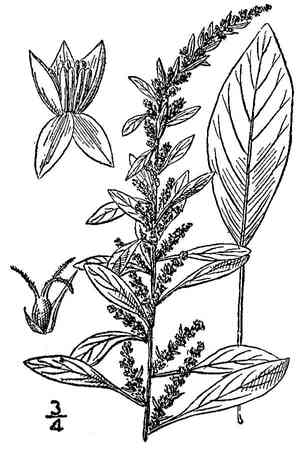
Esteemed for its robust nature and seed yield, rough-fruit amaranth thrives with deliberate trimming to control its development and foster air movement. Initial pruning of rough-fruit amaranth ought to focus on excising compromised or ailing stalks in the spring to preserve the plant's well-being. Reducing crowded leaves in the summer improves light access. Autumnal pruning is generally not required, but can be performed to eliminate withered stalks post-harvest. Caution is advised against excessive pruning, as this may diminish the harvest of edible seeds.
What Are the Benefits of Pruning Rough-fruit Amaranth?
What Are the Benefits of Pruning Rough-fruit Amaranth?
Trimming rough-fruit amaranth promotes robust development and helps preserve its intended form. Regular trimming ensures a neat appearance and can foster a strong framework, enhancing the plant's overall vitality and yield.
What Is the Best Time for Pruning Rough-fruit Amaranth?
What Is the Best Time for Pruning Rough-fruit Amaranth?
For rough-fruit amaranth, trimming is most advantageous in Spring as it stimulates new growth following the dormant winter period. Early Summer trimming allows gardeners to manage and shape the development of rough-fruit amaranth, avoiding the peak summer heat which can stress the plant. Autumn trimming is beneficial for removing any dead or diseased foliage, preventing potential issues over winter. During these seasons, the plant is less vulnerable to stress, diseases, and pests, and is more likely to recover quickly. Avoid trimming in late Summer, as new growth could be harmed by the onset of colder weather. These recommendations align with rough-fruit amaranth's active growth phase and help maintain plant vigor while preventing the negative impact of environmental stressors.
What Tools Do I Need to Prune Rough-fruit Amaranth?
Hand Pruners
Given the manageable size and stem thickness of rough-fruit amaranth, hand pruners are perfect for making clean cuts on stems and smaller branches. They allow for precision and minimal harm to the plant.
Pruning Shears
For routine upkeep and shaping of rough-fruit amaranth, pruning shears offer a sharp, scissor-like cut, suitable for trimming back excess growth without damaging the plant's structure.
Pruning Saw
If rough-fruit amaranth has matured and developed woody stems, a pruning saw may be necessary for removing thicker branches that hand pruners cannot manage.
Gardening Gloves
To shield the gardener's hands from potential irritation caused by rough-fruit amaranth's foliage or stems, wearing gardening gloves is advisable during the trimming process.
Loppers
If rough-fruit amaranth is overgrown and more challenging to handle with hand pruners, loppers can be used to extend the gardener's reach and leverage for cutting through thicker stems.
How to Prune Rough-fruit Amaranth
Identification
Examine rough-fruit amaranth for shriveled leaves that are dead, damaged, or discolored, indicating they no longer benefit the plant's growth.
Sanitation
Utilize clean, sharp pruning shears or scissors to ensure cuts are precise and minimize the risk of disease transmission to rough-fruit amaranth.
Cutting
Gently trim the shriveled leaves at their base, close to the main stem of rough-fruit amaranth, without harming new buds or healthy tissue.
Disposal
Remove and properly discard the trimmed shriveled leaves away from rough-fruit amaranth to prevent potential disease or pest infestation.
Post Pruning Care
Monitor rough-fruit amaranth after trimming to ensure healthy regrowth, and provide appropriate water and nutrients to facilitate recovery.
Common Pruning Mistakes with Rough-fruit Amaranth
Overpruning
Excessively cutting back rough-fruit amaranth can stress the plant and hinder growth. This plant does not require extensive trimming, and doing so could harm its natural form and reproductive capacity.
Improper Tool Use
Using dull or dirty tools can damage rough-fruit amaranth's stems and leaves, leading to uneven cuts and potential disease introduction. It's crucial to use clean, sharp tools for precise cuts.
Inattentive Pruning
Randomly cutting without understanding the growth pattern of rough-fruit amaranth can result in an unattractive plant. Trimming should be strategic to maintain the desired shape and health of the plant.
Neglecting Plant Health
Rough-fruit amaranth may have diseased or dead stems that need to be removed for the plant's overall health. Failure to remove these can impede the growth of healthy branches and flowers.
Common Pruning Tips for Rough-fruit Amaranth
Selective Pruning
Focus on removing dead or damaged foliage to help rough-fruit amaranth conserve energy and direct it towards new growth. Trim strategically to maintain the plant's shape and encourage airflow.
Sterilize Tools
Before starting, ensure that all trimming tools are sterilized to prevent disease spread. Tools should be cleaned and disinfected before and after trimming rough-fruit amaranth.
Gradual Pruning
It's better to trim rough-fruit amaranth gradually, particularly if shaping is desired. This allows rough-fruit amaranth to recover between sessions and reduces the chance of shock.
Supportive Structure
When trimming rough-fruit amaranth, support the remaining stem structure to prevent accidental breakage and to maintain a framework that encourages the plant to grow in the desired direction.



