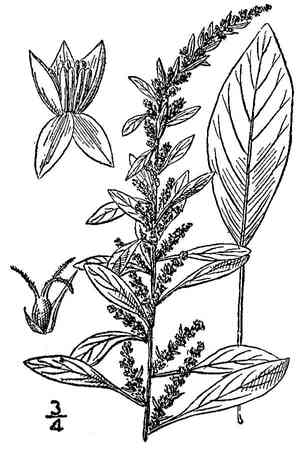
Rough-fruit amaranth (Amaranthus tuberculatus)
Also known as: Tall pigweed, Roughfruit waterhemp
Amaranthus tuberculatus, also known as roughfruit amaranth, rough-fruited water-hemp, or tall waterhemp, is a flowering plant species. It is a summer annual broadleaf that can germinate over an extended period. This plant is recognized as a weed in 40 out of the 50 U.S. states.
In This Article
Attributes of Rough-fruit amaranth
Lifespan
Annual
Plant Type
Herb
Plant Height
1.67 to 6 feet
Spread
Not typically applicable as it is an herbaceous plant
Leaf Color
Various shades of green
Flower Size
Small, not typically measured
Flower Color
White Yellow Green
Images of Rough-fruit amaranth
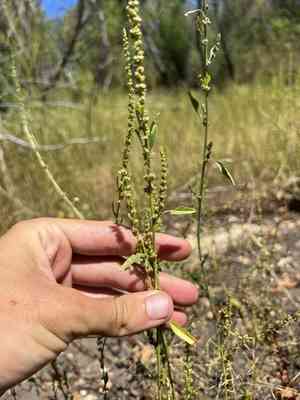
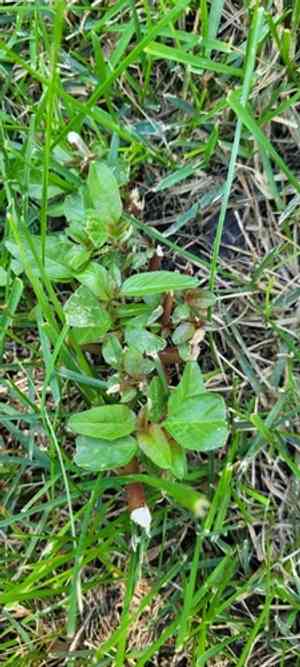
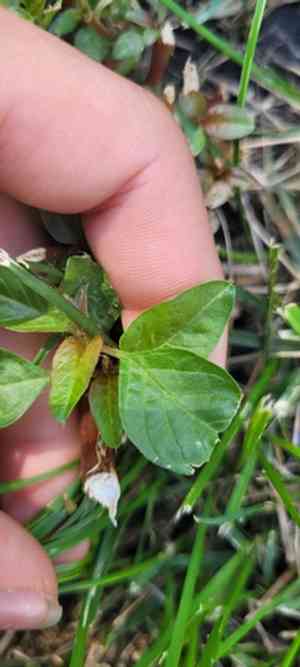
Quickly Identify Rough-fruit amaranth
1
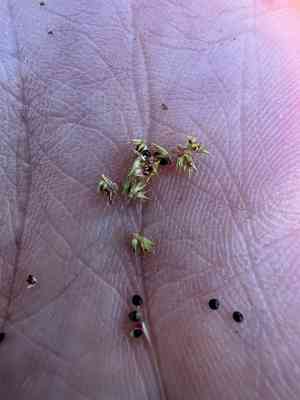
Waterhemp can be identified by its narrow, elongated leaves and the absence of hairs on the stem. It typically grows in dense clusters. The seeds are small, shiny, and dark, located in spiky flowers.
Scientific Classification of Rough-fruit amaranth
Phylum
Vascular plants
Class
Dicotyledons
Order
Caryophyllales
Family
Amaranth
Genus
Amaranths
Species
Rough-fruit amaranth
Planting and Growing of Rough-fruit amaranth
Care Difficulty
Easy
Watering Schedule
Every 4 days
Sunlight Requirements
Full sun
Sunshine Duration
6-10 hours
Ideal Temperature
65-85℉
Soil Type
Potting Mix, Peat Mix
Soil pH
6.5-7.5
Fertilizer Type
Balanced
Pruning Season
Spring, Summer
Pruning Area
Branches, Leaves
Pruning Frequency
2 times a year
Repotting Season
Spring
Pot Type
Plastic, Ceramic
 How to Water Rough-fruit amaranth?
Amaranthus tuberculatus requires a consistent watering routine to thrive. Aim to provide about 250 milliliters of water per session, ensuring the soil is thoroughly moistened without waterlogging. The plant prefers its soil to be moist but not overly saturated, so adjust the volume based on existing soil moisture and environmental conditions.
What are the symptoms of an underwatered Rough-fruit amaranth?
›
What should I do if my Rough-fruit amaranth is not getting enough water?
›
What are the symptoms of an overwatered Rough-fruit amaranth?
›
How to save an overwatered Rough-fruit amaranth?
›
 What Are the Sunlight Requirements for Rough-fruit amaranth?
This plant benefits most from full to partial sun, with at least 6 to 8 hours of exposure daily, promoting healthy growth and vibrant foliage.
More About Sunlight Requirements Techniques→
What is the best location for light exposure?
›
How can insufficient light affect this plant?
›
What measures can be taken to enhance light absorption?
›
What are the benefits of ideal light exposure?
›
 What Is the Ideal Temperature Range for Rough-fruit amaranth?
Maintaining the ideal temperature range of 65°F to 85°F is crucial for the optimal growth of Amaranthus tuberculatus. Within this range, the plant can efficiently carry out photosynthesis, leading to healthy growth and development.
 What Soil is Best for Rough-fruit amaranth?
Amaranthus tuberculatus thrives in well-draining soil, which ensures that roots do not become waterlogged, preventing root rot and allowing for healthier plant development, especially in variable climates. This plant benefits from nutrient-rich soil that provides essential minerals. Such soil supports vigorous growth and increases the plant's resilience against pests and diseases, providing an optimal growth environment. A moderate level of organic matter in the soil helps improve its fertility, structure, and moisture retention, essential for maintaining the plant's growth cycle and resilience against environmental stress.
 How to Fertilize Rough-fruit amaranth?
The recommended fertilizer amount for Amaranthus tuberculatus varies depending on soil quality and plant size. Usually, a balanced liquid fertilizer with an NPK ratio of 10-10-10 can be applied at 1 tablespoon per gallon of water. For slow-release fertilizers, use about 2 pounds per 100 square feet.
 How to Prune Rough-fruit amaranth?
Begin by assessing the structure of the Amaranthus tuberculatus. Look for the main stems and identify any overgrown areas. Use shears to cut back stems to the desired size, making cuts just above a leaf node to encourage new growth. Remove any crossing branches to enhance air circulation within the plant. For optimal growth, time your cuts during early morning or late afternoon to avoid the harsh midday sun which can stress the plant. Prune lightly during the growing season and more thoroughly at the end of the summer to prepare the plant for dormancy in autumn.
More About Pruning Techniques→
 How to Propagate Rough-fruit amaranth plant?
1
Collect seeds from mature Amaranthus tuberculatus plants. Ensure they are fully ripened and dry them out before storage to prevent mold and ensure germination viability.
2
The seeds should be lightly pressed into the potting mix in the seed tray. Avoid covering the seeds with too much soil, as they need light to germinate.
3
Keep the soil consistently moist but not waterlogged. Covering the tray with a plastic dome can help maintain moisture and warmth, facilitating optimal germination conditions.
 How to Repot Rough-fruit amaranth plant?
1
Amaranthus tuberculatus should be repotted when you notice that roots start to encircle the pot or protrude from the drainage holes. Another signal for repotting is when soil dries out rapidly, indicating that the plant may be root-bound. Ideally, repot during its active growth periods in spring or early summer to minimize stress.
2
Select a pot that is 2-3 inches larger in diameter than the current one to give the roots space to grow. Ensure it has drainage holes to prevent waterlogging and root rot. A slightly heavy pot can be beneficial to provide stability for the plant as it grows taller.
3
Opt for well-draining potting soil enriched with organic matter. This type of soil not only retains necessary nutrients but also prevents water stagnation, helping to keep roots healthy and promoting vigorous growth.
Learn More About Rough-fruit amaranth Diseases
Anthracnose
Bacterial Leaf Spot
Bacterial Soft Rot
Bacterial Wilt
Chemical Injury
Cyst Nematode
Damping-off
Downy Mildew
Drought Stress
Fusarium Wilt
Gray Mold
Leaf Spot
Mosaic
Nutrient Deficiency
Nutrient Toxicity
Powdery Mildew
Root Rot
Root-knot Nematode
Rusts
Sooty Mold
Spider Mites
Temperature Stress
Thrips Damage
White Mold



