How to Transplant Fringed amaranth?
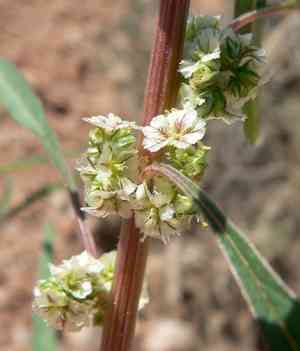
The optimal window for relocating Fringed amaranth extends from the initial, cool days of spring into the later, milder spring period. Choose a brightly lit spot with soil that drains effectively to ensure proper establishment. Exercise care during handling to reduce stress on the root system.
What Preparations are Needed Before Transplanting Fringed Amaranth?
What is the Ideal Time for Transplanting Fringed Amaranth?
Fringed amaranth, an annual, flourishes when moved from early spring through late spring. During this period, soil temperatures rise, promoting strong root development and minimizing transplant shock. This timing ensures optimal growth conditions, leading to a robust and healthy plant throughout its growing cycle.
How Much Space Should You Leave Between Fringed Amaranth Plants?
When relocating fringed amaranth, ensure each plant is spaced approximately 10-12 inches (25-30 cm) apart to provide ample room for growth and development.
What is the Best Soil Mix for Fringed Amaranth Transplanting?
For a thriving fringed amaranth, utilize well-draining soil enriched with compost to boost fertility. Apply a balanced base fertilizer to supply your plants with essential nutrients.
Where Should You Relocate Your Fringed Amaranth?
Select a sunny location for transplanting fringed amaranth. They flourish in full sunlight, so find a spot that receives at least 6 to 8 hours of direct sun daily.
What Equipments Should You Prepare Before Transplantation Fringed Amaranth?
Gardening Gloves
To safeguard your hands while working with soil and plants.
Hand Trowel
For excavating small holes and carefully managing the plant's root system.
Shovel or Spade
To dig larger holes in the ground for relocation.
Watering Can or Hose
For hydrating the plant before and after its move.
Compost or Organic Matter
To enrich the soil at the new planting location.
Mulch
To maintain soil moisture and regulate soil temperature post-transplant.
Wheelbarrow
To transport the plant and soil amendments to its new spot.
How Do You Remove Fringed Amaranth from the Soil?
How Do You Remove Fringed Amaranth from the Soil?
From Pot: Thoroughly water the fringed amaranth plant. Gently tap the pot's sides to loosen the soil. Carefully tilt the pot and slide the plant out, supporting the base and root ball. If it resists, use a hand trowel to loosen soil around the edges.From Seedling Tray: Lightly water the fringed amaranth plant. Use a pencil or similar tool to push up from the tray's bottom hole. Handle the plant by its leaves or root ball, not the stem, to prevent damage.From Ground: Water the fringed amaranth plant to moisten the soil. Dig a wide trench around the plant with a shovel or spade, ensuring the root ball remains intact. Carefully work the spade under the root ball to lift the plant from its original spot.
Step-by-Step Guide for Transplanting Fringed Amaranth
Site Preparation
Select an area in your garden that fulfills the lighting and spacing requirements of the fringed amaranth plant. Prepare the soil by loosening it with a shovel and incorporating compost or organic matter to enhance fertility and drainage.
Dig the Hole
Excavate a hole that is twice as wide and as deep as the fringed amaranth plant's root ball. This provides ample room for roots to spread and establish.
Plant Placement
Position the fringed amaranth plant in the prepared hole. Ensure the top of the root ball is level with or slightly above the surrounding soil to prevent waterlogging.
Backfill the Hole
Refill the hole with the original soil, gently pressing it down to eliminate air pockets around the roots. Avoid compacting the soil too tightly, as this can hinder root growth.
Water the Plant
Thoroughly water the fringed amaranth plant after planting to settle the soil around its roots. Ensure the water penetrates down to the root level.
How Do You Care For Fringed Amaranth After Transplanting?
Watering
Keep the soil around the fringed amaranth consistently moist, but not waterlogged, for the initial weeks post-transplant to aid in strong root establishment.
Mulching
Apply a layer of mulch around the base of the fringed amaranth to help retain soil moisture and regulate temperature. Mulch also assists in suppressing weeds that could compete with your plant for nutrients.
Monitoring
Regularly inspect the fringed amaranth for indications of transplant shock, such as wilting or yellowing leaves. Adjust watering or provide temporary shade if necessary until the plant is established.
Troubleshooting Common Issues with Fringed Amaranth Transplantation.
When is the best time to transplant fringed amaranth?
The optimal period to relocate fringed amaranth is from early spring to late spring for superior growth.
How far apart should fringed amaranth be spaced during transplanting?
Space fringed amaranth plants 10-12 inches (25-30 cm) apart to ensure healthy development and adequate air circulation.
How deep should I plant fringed amaranth seedlings?
Plant fringed amaranth seedlings at the same depth they were growing in their original containers to avoid stress.
What type of soil is best for transplanting fringed amaranth?
Fringed amaranth thrives in well-draining, nutrient-rich soil with a neutral to slightly alkaline pH.
How do I prepare the soil before transplanting fringed amaranth?
Loosen the soil and incorporate compost or organic matter to enhance fertility before relocating fringed amaranth.
Should I water fringed amaranth immediately after transplanting?
Yes, thoroughly water fringed amaranth right after transplanting to help settle the soil and minimize transplant shock.
What is the ideal temperature for transplanting fringed amaranth?
Relocate fringed amaranth when daytime temperatures consistently range between 60-75°F (15-24°C).
How can I protect fringed amaranth from transplant shock?
Gradually accustom fringed amaranth to outdoor conditions by hardening off for a week prior to transplanting.
What is the best way to handle fringed amaranth roots during transplanting?
Handle fringed amaranth roots gently, keeping the root ball intact to minimize damage and reduce stress.
How often should I water fringed amaranth after transplanting?
Initially, water fringed amaranth regularly to keep the soil moist, then decrease frequency once the plant establishes.



