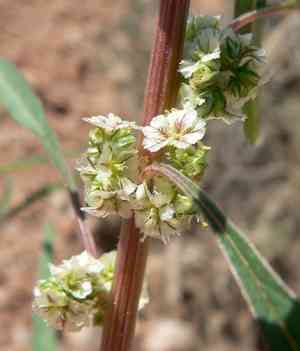
Fringed amaranth (Amaranthus fimbriatus)
Also known as: Fringed Amaranth
Fringed amaranth is known for its distinctive fringed leaves and dense clusters of small flowers. The flowers, which can range from green to reddish-purple, stand out against its foliage. This plant prefers warm climates and thrives in well-drained soils, often found in sunny areas such as gardens or wild fields. Its presence can attract pollinators, supporting local ecosystems.
In This Article
Attributes of Fringed amaranth
Lifespan
Annual
Plant Type
Herb
Plant Height
30-100 cm
Spread
Not typically relevant as it is a herbaceous plant without a distinct crown shape.
Leaf Color
Green
Flower Size
Small, generally less than 1 cm
Flower Color
Green to reddish
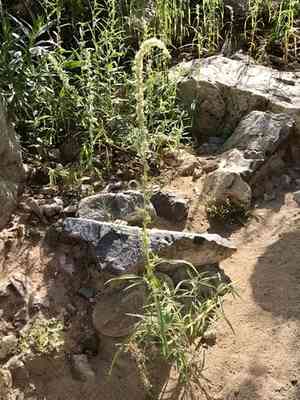
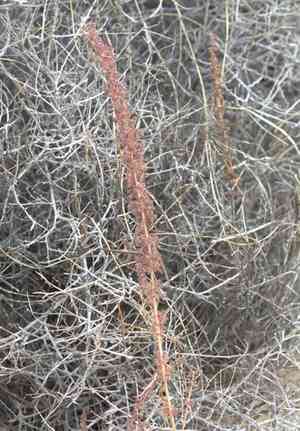
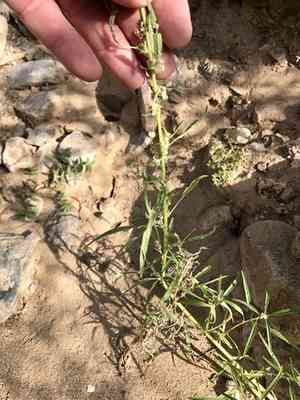
Images of Fringed amaranth

Quickly Identify Fringed amaranth
1
Look for the fringed edges of the leaves and flowers, which are a key identifying feature. The plant typically has a tall and slender structure with green leaves and reddish to purple stems.
Scientific Classification of Fringed amaranth
Phylum
Vascular plants
Class
Dicotyledons
Order
Caryophyllales
Family
Amaranth
Genus
Amaranths
Species
Fringed amaranth
Planting and Growing of Fringed amaranth
Care Difficulty
Moderate
Watering Schedule
Every 3 days
Sunlight Requirements
Full sun
Sunshine Duration
6-10 hours
Ideal Temperature
60-75℉
Soil Type
Potting Mix, Peat Mix
Soil pH
6.5-7.5
Fertilizer Type
Balanced
Pruning Season
Spring, Summer
Pruning Area
Branches, Leaves
Pruning Frequency
Once a year
Repotting Season
Spring
Pot Type
Plastic, Ceramic
 How to Water Fringed amaranth?
For Amaranthus fimbriatus, it is advisable to water deeply but sparingly. Ensure the soil is moist down to about 6 inches to allow deep root growth. Watering should be consistent but not excessive to prevent root rot. Keeping the top inch of soil dry to the touch indicates it's time for a thorough water.
What are the symptoms of an underwatered Fringed amaranth?
›
What should I do if my Fringed amaranth is not getting enough water?
›
What are the symptoms of an overwatered Fringed amaranth?
›
How to save an overwatered Fringed amaranth?
›
 What Are the Sunlight Requirements for Fringed amaranth?
Amaranthus fimbriatus performs best in areas with full to partial sunlight, allowing for ample flower production and robust growth, enhancing both beauty and health benefits.
How much sunlight does Amaranthus fimbriatus need?
›
What should be done to achieve ideal light conditions?
›
What benefits arise from optimal light exposure?
›
 What Is the Ideal Temperature Range for Fringed amaranth?
For healthy growth, Amaranthus fimbriatus thrives best in temperatures ranging from 60°F to 75°F. Within this range, the plant can efficiently undergo photosynthesis, ensuring optimal nutrient absorption and development. The moderate temperature ensures that the water needs of the plant are balanced with soil moisture availability, helping in reducing stress and promoting sturdy and vibrant foliage.
 What Soil is Best for Fringed amaranth?
Amaranthus fimbriatus thrives in nutrient-rich soil. This kind of soil provides essential nutrients, promoting robust growth and vibrant foliage for the plant. Incorporating organic matter like compost can enhance nutrient levels. Ensuring the soil has good drainage is crucial. Poor drainage can lead to root rot, so sandy loam or well-drained loam is ideal, helping maintain optimal moisture levels without waterlogging. A loose and aerated soil structure allows roots to breathe and expand easily, which is vital for healthy root development. Aeration can be improved by including perlite or vermiculite in the soil mix.
 How to Fertilize Fringed amaranth?
Amaranthus fimbriatus typically benefits from a well-balanced fertilizer applied in moderation. For liquid fertilizers, mix a balanced liquid plant food at half the recommended strength per the package instructions. Apply approximately 500 ml per plant, ensuring the soil is evenly moist but not waterlogged.
 How to Prune Fringed amaranth?
The ideal time to prune Amaranthus fimbriatus is when the plant is actively growing, usually in spring and summer. However, light pruning can continue into early autumn to maintain shape and remove any spent blooms. Use clean, sharp scissors or pruning shears to remove dead or damaged leaves and stems. Aim to cut these back to the nearest healthy part of the plant. For tips with faded blooms, trim just above the leaf set to encourage new growth and prevent energy wastage.
More About Pruning Techniques→
 How to Propagate Fringed amaranth plant?
1
Fill the seed tray with a suitable potting mix, ensuring it is evenly distributed and level. Moisten the mix thoroughly before sowing the seeds to provide an ideal environment for germination.
2
Scatter the Amaranthus fimbriatus seeds evenly across the surface of the moist potting mix. Cover lightly with additional mix or a thin layer of vermiculite to keep them in place.
3
Position the tray in a location with indirect sunlight and maintain a temperature of around 18-22°C. Keep the soil moist but not waterlogged, using a spray bottle to gently water the seeds as needed.
 How to Repot Fringed amaranth plant?
1
You'll know it's time to repot Amaranthus fimbriatus when its roots start emerging from the drainage holes or the growth seems stunted. Another sign is if the soil dries out rapidly after watering. Early spring or summer is ideal, as active growth can quickly adapt to new conditions.
2
Choose a pot that is one size larger than the current one, with good drainage holes. A slightly wider pot allows room for the plant's growth, while proper drainage prevents waterlogging, a common issue leading to root rot in this species.
3
Opt for a well-draining sandy loam mix. This soil ensures that water drains properly while still providing the necessary nutrients, reducing the risk of root diseases and promoting healthy root development.
Toxicity
Ingestion
WARNING
The judgment on toxicity and danger is for reference only. We DO NOT GUARANTEE any accuracy of such judgment. Therefore, you SHALL NOT rely on such judgment. It is IMPORTANT TO SEEK PROFESSIONAL ADVICE in advance when necessary.
Learn More About Fringed amaranth Diseases
Anthracnose
Bacterial Leaf Spot
Bacterial Soft Rot
Bacterial Wilt
Chemical Injury
Cyst Nematode
Damping-off
Downy Mildew
Drought Stress
Fusarium Wilt
Gray Mold
Leaf Spot
Mosaic
Nutrient Deficiency
Nutrient Toxicity
Powdery Mildew
Root Rot
Root-knot Nematode
Rusts
Sooty Mold
Spider Mites
Temperature Stress
Thrips Damage
White Mold



