How to Prune Fringed amaranth?
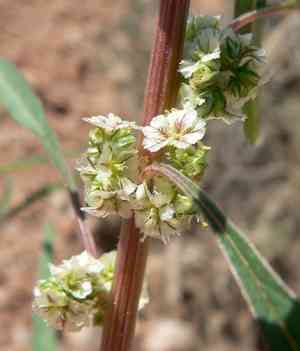
Fringed amaranth, recognized for its distinctive foliage and vigorous development, flourishes with consistent trimming to preserve its form and stimulate fresh growth. Perform pruning on fringed amaranth from spring to autumn, eliminating withered or compromised leaves and reducing any excessive growth. This practice aids in enhancing air movement and light exposure, which are crucial for a robust plant. Exercise care during cutting to prevent damage to the primary stalks. Routine trimming fosters more compact foliage and can elevate the plant's aesthetic value.
Advantages of Trimming Fringed Amaranth
Advantages of Trimming Fringed Amaranth
Trimming fringed amaranth encourages robust development and aids in preserving its form. This method improves air circulation, lowering the chance of pests and illnesses, and boosts overall plant vitality, ensuring fringed amaranth stays attractive and manageable.
Optimal Period for Trimming Fringed Amaranth
Optimal Period for Trimming Fringed Amaranth
Trimming or cutting fringed amaranth during Spring, Summer, and Fall is ideal as these periods align with the plant's active growth phase. Trimming in Spring stimulates new growth and assists in shaping the plant early in the growing season. Summer trimming can help manage plant size and eliminate any damaged or diseased limbs, while Fall trimming prepares the plant for dormancy, ensuring it remains healthy and vigorous for the subsequent growth cycle. These practices, based on fringed amaranth's growth patterns, foster overall plant health and optimize blooming or seed production.
Necessary Tools for Trimming Fringed Amaranth
Hand Pruners
Hand pruners, or secateurs, are perfect for cutting the stems and branches of fringed amaranth to maintain its shape and encourage healthy development.
Bypass Pruners
These are beneficial for making clean cuts on green, living stems without crushing them, which is crucial for preserving fringed amaranth's vascular well-being.
Pruning Scissors
These lightweight scissors are excellent for more delicate and precise cuts, often required for shaping fringed amaranth and removing smaller growths.
Lopping Shears
Lopping shears can be useful for cutting thicker stems or branches, especially when fringed amaranth grows more robust.
How to Trim Fringed Amaranth
Examine
Inspect fringed amaranth for wilted foliage. Concentrate on identifying leaves that are discolored, dried, or showing signs of decay to pinpoint the areas requiring trimming.
Tools
Utilize a pair of sanitized, sharp pruning shears for accurate cuts. This helps to prevent harm to healthy parts of fringed amaranth and minimizes the risk of infection.
Cut
Snip off the wilted leaves close to the base of each leaf stem. Ensure you make clean, angled cuts to facilitate rapid healing and prevent water from accumulating on the cut surface.
Discard
Gather and dispose of the trimmed leaves appropriately. This action helps to prevent the spread of any potential diseases or pests to other parts of fringed amaranth or nearby plants.
Monitor
Regularly observe fringed amaranth for new indications of wilting or disease. Repeating the inspection and trimming process as needed will maintain the plant's health and vitality.
Common Trimming Errors with Fringed Amaranth
Trimming too aggressively
Excessive trimming can stress fringed amaranth, impeding its growth and leading to a reduced capacity to flower.
Substandard trimming tools
Using dull or unclean tools can result in jagged cuts, increasing the likelihood of disease or pest infestations.
Incorrect cut placement
Making cuts too close to the main stem or leaving too much of a stub can harm fringed amaranth and affect its structural integrity.
Neglecting suckers and weaker branches
Failing to remove suckers and weak branches can lead to poor air circulation and a dense growth habit, making fringed amaranth more vulnerable to diseases.
General Trimming Advice for Fringed Amaranth
Employ clean, sharp tools
Always use clean, sharp pruning shears to make precise and healthy cuts. Disinfect tools before and after use to prevent disease transmission.
Target dead and diseased wood
Initially, focus on removing any dead, damaged, or diseased branches to encourage healthy growth and prevent disease spread.
Make cuts at an angle
Trim branches at a 45-degree angle just above an outward-facing bud or node to promote outward growth and enhance air circulation.
Boost central airflow
Thin out the center of fringed amaranth by removing any crowded or crossing branches. This improves airflow and light penetration, supporting overall plant health.
Remove suckers regularly
Periodically remove suckers and water sprouts that emerge from the base or along the trunk to ensure nutrients are directed to the main stems and flowers.
Assess the plant's requirements
Spend time observing fringed amaranth before trimming to identify which specific branches need attention, ensuring the plantâs shape and health are maintained.



