How to Transplant Desert madwort?
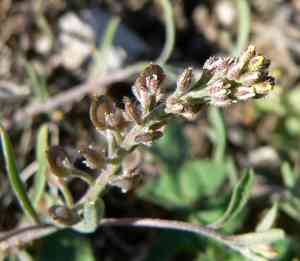
The ideal window for transplanting desert madwort extends from early spring through its conclusion, utilizing the temperate weather for best integration. Select a location bathed in sunlight with soil that drains effectively, and if necessary, gradually introduce desert madwort to its new environment prior to relocation to lessen stress.
Essential Preparations Before Relocating Desert Madwort
Optimal Period for Transplanting Desert Madwort
The best time to move desert madwort is from the beginning of spring until its conclusion. During this timeframe, mild temperatures and increasing daylight work together to provide ideal conditions for desert madwort's growth, encouraging strong root development and healthier progress. By selecting this period, young desert madwort benefit from spring's gentle environment, avoiding the harshness of summer heat and winter cold. This precise timing is crucial for a smooth transition for your desert madwort, setting the stage for a vibrant growth cycle.
Recommended Spacing Between Desert Madwort Plants
When preparing to plant desert madwort, allow approximately 6-9 inches (15-23 cm) between each specimen. This provides sufficient room for them to thrive without becoming overcrowded.
Ideal Soil Mixture for Desert Madwort Transplantation
Prepare an area with soil that drains well, preferably sandy or loamy. Before transplanting desert madwort, enrich the soil with a balanced, slow-release fertilizer to give your plants an excellent start!
Selecting a New Location for Your Desert Madwort
Choose a site that receives full sunlight for desert madwort. They flourish under bright skies, so the more sun, the better. Perfect for a spot that gets ample daylight hours!
Equipment Needed for Transplanting Desert Madwort
Gardening Gloves
To safeguard your hands while handling soil and plants.
Spade or Shovel
Necessary for excavating the plant's root ball when removing it from its original spot.
Garden Trowel
Useful for smaller digging tasks, such as refining the planting hole or directly managing the plant.
Watering Can or Hose with a Soft Spray Attachment
For hydrating the desert madwort post-transplant to aid in establishment.
Pruning Shears
To gently trim any damaged roots or foliage.
Method for Removing Desert Madwort from the Soil
Method for Removing Desert Madwort from the Soil
From Ground: First, moisten the desert madwort to soften the soil, making excavation easier. Use a spade or shovel to dig a wide circle around the desert madwort, being careful not to harm the root ball. Gently work the tool beneath the root ball to carefully lift the desert madwort from its initial position.From Pot: Water the desert madwort in its container to help the root ball slide out more easily. Turn the pot on its side, tap the bottom, and gently ease the plant out, supporting the plant at its base and being cautious not to pull on the stems.From Seedling Tray: Dampen the soil in the tray to minimize root damage during removal. Gently push the desert madwort from the bottom of the tray or use a trowel to scoop it out, taking care not to harm the roots or stem.
Step-by-Step Guide for Transplanting Desert Madwort
Prepare New Site
Dig a hole in the ground that is twice as wide and as deep as the desert madwort's root ball.
Inspect Root Ball
Examine the desert madwort's root ball for any dead or damaged roots and use pruning shears to remove them.
Place the Plant
Carefully lower the desert madwort into the center of the hole, gently spreading out its roots. Ensure the top of the root ball is level with the surrounding soil surface.
Fill the Hole
Backfill the hole with soil, lightly compacting it as you go to eliminate air pockets around the plant's roots.
Water Thoroughly
Water the desert madwort generously after planting to settle the soil around the roots and hydrate the plant.
Post-Transplant Care for Desert Madwort
Initial Watering
Keep the soil around the desert madwort consistently moist to encourage root growth, but be careful not to over-water, which can lead to root rot.
Monitor Growth
Observe the desert madwort for signs of stress, such as wilting or yellowing leaves, and adjust care as needed.
Weed Control
Regularly remove any weeds growing near the desert madwort, as they can compete for nutrients and water.
Mulching
Apply a layer of mulch around the desert madwort to retain moisture, regulate soil temperature, and reduce weed growth.
Addressing Common Issues with Desert Madwort Transplantation
Why is my desert madwort struggling after transplanting?
Ensure the transplant occurred during the optimal period of early to late spring and with adequate spacing between plants, ideally 6-9 inches (15-23 cm). Also, verify proper watering, soil conditions, and avoid planting too deeply.
How can I determine if I've watered my desert madwort sufficiently after transplanting?
The soil should remain consistently moist but not waterlogged. A good guideline is to water when the top inch (2.5 cm) of soil feels dry.
What is the best time of day to transplant desert madwort?
Transplant desert madwort during the cooler parts of the day, such as early morning or late afternoon, to minimize transplant shock.
How deep should I plant desert madwort seedlings?
Plant seedlings at the same depth they were growing in their original container to prevent stem rot or drying out.
Can I fertilize my desert madwort immediately after transplanting?
Wait a few weeks before applying a balanced fertilizer to allow desert madwort to establish its roots without causing damage.
My desert madwort is wilting after transplant, what action should I take?
Wilting may indicate shock or watering problems. Keep the plant in indirect sunlight and maintain consistent soil moisture without overwatering.
What is the recommended spacing for my desert madwort plants?
For proper growth and air circulation, aim for a spacing of 6-9 inches (15-23 cm) between plants.
What lighting conditions does transplanted desert madwort require?
Desert madwort thrives in full sunlight, so select a location that receives ample direct sunlight throughout the day.
How do I prepare the soil for transplanting desert madwort?
The soil should be well-draining and fertile. You can incorporate compost or well-rotted manure before transplanting to enrich the soil.
Is pruning necessary for desert madwort during transplanting?
Pruning is generally not required during transplanting, but you can remove any damaged leaves to help the plant focus its energy on developing new roots.



