How to Propagate Desert madwort?
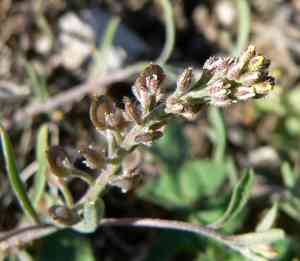
Desert madwort, a plant suited for dry climates, can be successfully multiplied by planting its seeds. To ensure proper development, seeds ought to be scattered on the surface of a well-draining substrate under ample light, as deep covering hinders their sprouting. Precise irrigation is essential; the soil should be damp but not saturated for optimal germination. Over time, these seeds will mature into robust, drought-resistant specimens typical of the species, well-equipped to flourish in demanding terrains.
Optimal Time for Desert Madwort Propagation
Propagation Method
Seeding
Propagation Period
Spring
Essential Tools for Desert Madwort Propagation
Seed trays
Seed trays are crucial for organizing and managing the sprouting of desert madwort's seeds. These trays help maintain consistent soil conditions and simplify monitoring and handling during early growth. The compact size of each cell ensures optimal soil moisture and temperature, vital for successful desert madwort germination.
Perlite or vermiculite
Adding perlite or vermiculite to the soil mix enhances drainage and aeration, key characteristics for desert madwort's seed germination. These materials prevent soil compaction, allowing tiny desert madwort roots to easily penetrate the soil and access necessary nutrients. This fosters healthier root development, critical for young plants' survival and stability.
Misting spray bottle
A misting spray bottle is used to gently water desert madwort seeds without dislodging them. The fine mist provides ideal moisture, crucial for seed germination, without causing soil erosion or seed disturbance. This tool helps maintain necessary humidity around seedlings, promoting consistent growth conditions.
How to Propagate Desert Madwort?
Propagation Type
Simple
Caring for Your Newly Propagated Desert Madwort
Caring for Your Newly Propagated Desert Madwort?
Once desert madwort seedlings are established with at least two true leaves, gradually acclimate them to their permanent growing conditions. Transplant them to a sunny spot with well-draining soil and water regularly, allowing the soil to dry slightly between waterings. Minimal fertilizer is needed; a light feed during early growth can aid establishment. Annual pruning is not required, but removing old or dead branches can improve air circulation and plant health.
Common Errors to Avoid When Propagating Desert Madwort
Overwatering
Excessive watering of desert madwort can lead to root rot, a condition where desert madwort's roots fail to function properly due to too much moisture, hindering the plant's ability to absorb nutrients and water.
Deep planting
Planting desert madwort's seeds or seedlings too deeply can prevent them from getting enough light and air, slowing their germination and growth.
Neglecting soil texture
Desert madwort thrives in well-draining soil. Using soil that retains too much water can result in poor aeration and drainage, negatively impacting desert madwort's growth.
Overcrowding
Sowing desert madwort's seeds too closely or planting seedlings without adequate space can hinder their growth due to competition for light, nutrients, and water.
Advice for Propagating Desert Madwort
Soil preparation
Ensure the soil is loose and well-draining to support desert madwort's root development. Incorporating organic matter like compost can enhance soil structure and nutrient content.
Correct sowing depth
Sow desert madwort's seeds at a shallow depth, lightly covering them with soil. This ensures the seeds receive adequate light and warmth to stimulate germination.
Moderate watering
Provide desert madwort with a moderate amount of water to keep the soil moist but not waterlogged, especially during the seedling stage to encourage strong root growth.
Spacing
Give each desert madwort seed or seedling sufficient space to grow. This prevents competition for resources and promotes better air circulation, reducing disease risk.



