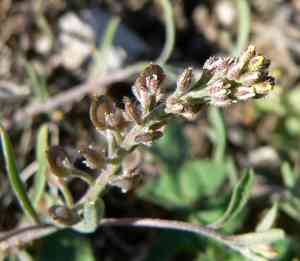
Desert madwort (Alyssum desertorum)
Also known as: Desert Alyssum
One invasive plant in North America that out-competes native species is Desert madwort (Alyssum desertorum). Originally from regions of Europe, Africa, and Asia, it has established itself in disturbed areas across North America. In these new environments, Desert madwort aggressively competes with and often displaces native plant species, including some that are threatened or endangered.
In This Article
Attributes of Desert madwort
Lifespan
Annual
Plant Type
Herb
Plant Height
20 cm
Spread
20-40 cm
Leaf Color
Green Blue
Flower Size
2.5 mm
Flower Color
Yellow
Images of Desert madwort
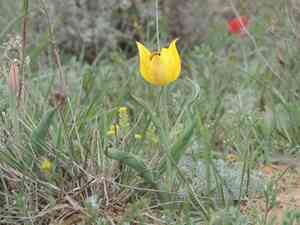
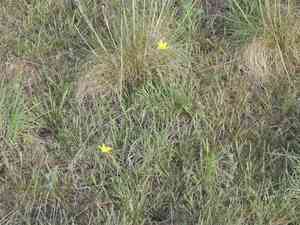
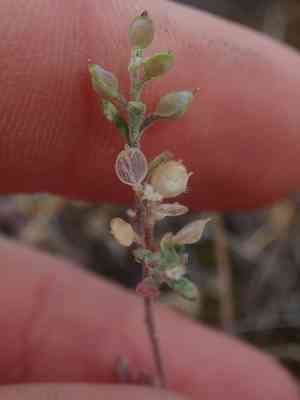
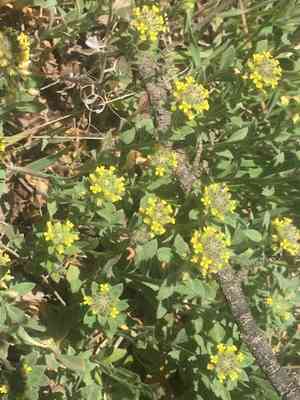
Quickly Identify Desert madwort
1
Desert Alyssum can be identified by its small, yellow flowers that cluster in dense racemes, its silvery-grey leaves covered in fine hairs, and its ability to grow in sandy or rocky soils.
Scientific Classification of Desert madwort
Phylum
Vascular plants
Class
Dicotyledons
Order
Brassicales
Family
Cruciferae
Genus
Alyssum
Species
Desert madwort
Planting and Growing of Desert madwort
Care Difficulty
Easy
Watering Schedule
Every 2 days
Sunlight Requirements
Full sun
Sunshine Duration
6-10 hours
Ideal Temperature
68-77℉
Soil Type
Potting Mix, Peat Mix
Soil pH
6.5-7.5
Fertilizer Type
Balanced
Pruning Season
Spring, Summer
Pruning Area
Branches, Leaves
Pruning Frequency
2 times a year
Repotting Season
Spring
Pot Type
Plastic, Ceramic
 How to Water Desert madwort?
For Alyssum desertorum, it is crucial to water until the soil is evenly moist but not waterlogged. Using around 250 ml of water should suffice for each watering. This ensures that the plant can hydrate sufficiently without risking root rot. The principle is to allow the soil to dry slightly between waterings.
What are the symptoms of an underwatered Desert madwort?
›
What should I do if my Desert madwort is not getting enough water?
›
What are the symptoms of an overwatered Desert madwort?
›
How to save an overwatered Desert madwort?
›
 What Are the Sunlight Requirements for Desert madwort?
Alyssum desertorum flourishes under full sun conditions, maximizing growth and flowering. Ideal lighting enhances its natural beauty and resilience.
More About Sunlight Requirements Techniques→
What is the optimal light intensity for Alyssum desertorum?
›
How can I achieve ideal sunlight exposure for this plant?
›
What are the benefits of providing optimal lighting conditions?
›
 What Is the Ideal Temperature Range for Desert madwort?
The ideal temperature range for Alyssum desertorum is typically between 68°F to 77°F. This range provides optimal conditions for growth, promoting healthy leaf development and encouraging blooming. Maintaining temperatures within this range helps ensure the plant's metabolism functions efficiently, leading to robust growth.
 What Soil is Best for Desert madwort?
Alyssum desertorum thrives in soil that offers excellent drainage. This minimizes the risk of root rot, keeping the roots healthy and allowing them to take up necessary nutrients with ease. Soils with moderate fertility suffice for Alyssum desertorum, providing adequate nutrients without the need for excessive fertilization. This reflects its adaptability to nutrient-limited, natural habitats. A loose soil structure facilitates easier root expansion and aeration for Alyssum desertorum, promoting robust growth and healthy foliage by ensuring that roots can explore the soil volume efficiently.
 How to Fertilize Desert madwort?
Alyssum desertorum, commonly known as desert madwort, thrives with a modest amount of fertilizer. For liquid fertilizers, use approximately half the recommended dose as this plant is adapted to nutrient-poor environments. For slow-release fertilizers, a small handful, approximately 25 grams, once a year is usually sufficient for optimal growth.
 How to Prune Desert madwort?
Begin by using sharp, clean scissors or pruning shears to snip any spent or dead flower heads throughout the growing season. This will encourage the plant to produce more blooms. Next, trim back leggy or unruly stems by up to one-third of their length to maintain a tidy shape and promote robust, compact growth. Be sure to make your cuts just above a leaf node or branching point to minimize stress on the plant and promote new shoots. For the best flowering results, ideally prune Alyssum desertorum shortly after its blooming periods in the spring and summer. This practice not only refreshes the plant's appearance but also stimulates the energy for the next flowering cycle, enhancing its vibrancy and lushness.
More About Pruning Techniques→
 How to Propagate Desert madwort plant?
1
Fill the seed tray with the potting mix, ensuring it is evenly distributed. Water the mix lightly to ensure it is damp but not waterlogged, as excessive moisture can cause seed rot.
2
Evenly distribute Alyssum desertorum seeds on the surface of the prepared potting mix. Do not cover the seeds, as they require light to germinate. Gently mist the surface to settle the seeds into place.
3
Place the seed tray in a sunny location or under grow lights to provide sufficient light. Maintain a temperature of around 18°C to 22°C to facilitate germination. Monitor the moisture level, keeping the surface slightly moist.
 How to Repot Desert madwort plant?
1
Alyssum desertorum should be repotted when it starts looking cramped in its current container, or when the roots begin to emerge from the drainage holes. Repotting is ideally done in the spring when the plant is gearing up for active growth. This timing helps the plant recover more quickly from the disruption of repotting.
2
Select a pot that is just slightly larger than the current one, as Alyssum desertorum prefers a snug space for its roots. A pot with good drainage is essential to prevent waterlogged soil, which can lead to root rot. Ceramic or terracotta pots with drainage holes are excellent choices for maintaining good air circulation around the roots.
3
Alyssum desertorum thrives in well-draining sandy soil, mimicking its natural desert habitat. A mix of cactus soil with some added sand or perlite will provide excellent drainage. This type of soil ensures the plant's roots don't sit in water, reducing the risk of fungal diseases and promoting healthy root growth.
Learn More About Desert madwort Diseases
Bacterial Leaf Spot
Bacterial Soft Rot
Clubroot
Crown Gall
Cyst Nematode
Damping-off
Downy Mildew
Drought Stress
Fusarium Wilt
Gray Mold
Leaf Spot
Mosaic
Nutrient Deficiency
Nutrient Toxicity
Powdery Mildew
Root Rot
Root-knot Nematode
Rusts
Sooty Mold
Spider Mites
Temperature Stress
Thrips Damage
White Mold
Chemical Injury



