How to Prune Desert madwort?
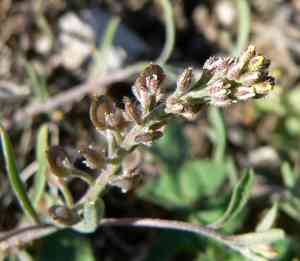
A resilient, arid-adapted perennial, desert madwort flourishes in demanding environments. Trim desert madwort in the initial part of spring to eliminate deceased or injured stalks and stimulate denser development. For revitalization, reduce the plant by as much as one-third after it has bloomed to preserve its form and enhance air movement. Consistent removal of spent blossoms during summer and autumn encourages uninterrupted flowering. Refrain from severe trimming, as this might diminish its inherent resilience and robustness. Trimming improves floral production and the plant's general well-being.
What Are the Benefits of Pruning Desert Madwort?
What Are the Benefits of Pruning Desert Madwort?
Trimming desert madwort promotes strong development and maintains its compact form. It encourages new growth, ensuring the plant stays healthy and visually appealing. Consistent pruning helps manage size and fosters a denser, more vigorous structure.
What Is the Best Time for Pruning Desert Madwort?
What Is the Best Time for Pruning Desert Madwort?
Desert madwort enters a period of rapid growth in spring, making it an ideal time for shaping and encouraging healthy development. Early summer pruning is useful for cutting back excess growth and preserving the desired shape of desert madwort. Autumn pruning prepares desert madwort for winter by removing dead or diseased parts, reducing the chance of cold-related damage. Pruning during these seasons aligns with desert madwort's life cycle, allowing for recovery and regrowth under favorable conditions, ensuring the plant remains healthy and attractive.
What Tools Do I Need to Prune Desert Madwort?
Hand pruners
Perfect for precise cuts and shaping desert madwort, enabling accurate removal of unwanted or dead branches without harming the delicate plant structure.
Shears
Best for trimming the edges of desert madwort, especially when cutting back to maintain a neat and healthy appearance of its mat-forming habit.
Gloves
Protective gloves are essential to prevent scratches or irritation from handling desert madwort, and to maintain cleanliness during the pruning process.
Disinfectant
Applying a disinfectant to pruning tools before use on desert madwort helps prevent the spread of diseases between plants.
How to Prune Desert Madwort
Sanitize Tools
Clean and disinfect pruning shears before beginning to prevent disease transmission to desert madwort.
Identify Withered Leaves
Examine desert madwort thoroughly to locate all dried leaves that require removal.
Cut Withered Leaves
Using the sanitized shears, snip the withered leaves at their base without harming adjacent healthy foliage.
Dispose Withered Leaves
Remove and discard the withered leaves away from desert madwort to prevent potential spread of pests or diseases.
Clean Up
After pruning, clear away any fallen debris around desert madwort to maintain a tidy growing environment and deter pests.
Common Pruning Mistakes with Desert Madwort
Over-Pruning
Removing too much foliage at once can stress desert madwort, leading to weakened growth and increased susceptibility to disease and pests.
Blunt Tools
Using dull or dirty pruning tools can damage the stems of desert madwort, resulting in ragged cuts that make the plant more vulnerable to infections.
Tearing Stems
When pruning desert madwort, gardeners can easily tear stems by not making clean cuts. This can stress the plant and hinder proper regrowth.
Ignoring Deadheading
Failing to regularly deadhead, or remove spent flowers, can lead to fewer blooms as desert madwort may prioritize seed production over new flowers.
Improper Cut Placement
Not cutting in the correct spot can disrupt the natural growth pattern of desert madwort. Pruning too close to a bud might damage it, while cutting too far can leave unsightly stubs that take longer to heal.
Common Pruning Tips for Desert Madwort
Clean Cuts
Ensure you use sharp, sanitized pruning shears to make clean cuts that heal quickly, preventing disease entry points for desert madwort.
Selective Thinning
Thin out dense areas to improve air circulation, which helps prevent fungal diseases and encourages desert madwort to develop more robustly.
Gradual Pruning
Practice light, regular pruning instead of a severe single pruning session. This will help maintain the shape of desert madwort and promote continuous blooms without overly stressing the plant.
Height Reduction
If reducing the height of desert madwort, do so gradually over time to preserve its health and aesthetic appeal.
Post-Bloom Trim
To encourage a second bloom and neaten the appearance of desert madwort, trim back the plant after the initial flowering period has finished.
Shape Maintenance
Regularly shape desert madwort to maintain its desired form, removing any stray or excessively long stems to encourage a more compact and lush growth pattern.



