How to Transplant Josephs coat?
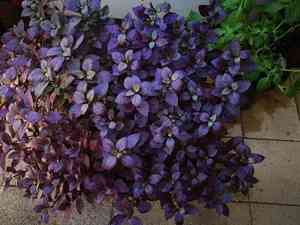
Josephs coat flourishes when relocated from the beginning to the end of spring, since rising temperatures foster vigorous root development. Confirm its placement in a bright or partly shaded spot with soil that drains effectively. For peak outcomes, perform the transplant during temperate, not sweltering, weather.
Essential Preparations Before Relocating Josephs Coat
Optimal Timing for Josephs Coat Relocation?
The best time to move josephs coat is from early to late spring. During this period, the soil begins to warm, encouraging robust new root development. Transplanting josephs coat at this time allows the plant ample growing season to establish itself before the rigors of summer heat, ensuring strong growth and significant root anchoring.
Recommended Spacing Between Josephs Coat Plants?
When moving josephs coat, position them approximately 9-12 inches (23-30 cm) apart. This provides sufficient room for healthy development, preventing them from competing for resources.
Best Soil Blend for Josephs Coat Relocation?
Prepare a well-draining soil, rich in organic material, for josephs coat. You can incorporate a balanced base fertilizer to give them an excellent start. Loamy soil mixed with compost works exceptionally well.
Where to Replant Your Josephs Coat?
Select a site that receives at least 6 hours of direct sunlight daily. Josephs coat thrives in bright conditions, so choose a sunny spot in your garden.
Equipment Needed Before Josephs Coat Transplantation
Gardening Gloves
To safeguard your hands while handling soil and plants.
Shovel or Spade
For digging around the root ball of the josephs coat plant prior to removal.
Trowel
Perfect for more precise excavation around smaller plants or confined areas.
Watering Can or Hose
To hydrate the soil both before and after the transplanting process.
Wheelbarrow
Useful for moving the josephs coat plant if it is large or heavy.
Pruners
To trim any dead or damaged roots and branches.
Mulch
To aid in moisture retention and regulate soil temperature around the newly transplanted josephs coat plant.
How to Extract Josephs Coat from the Ground?
How to Extract Josephs Coat from the Ground?
From Ground: First, moisten the josephs coat plant's soil with water. Next, use a shovel or spade to dig a wide trench around the plant, ensuring the root ball remains intact. Carefully work the spade beneath the root ball to lift the plant from its original spot.From Pot: Thoroughly water the josephs coat plant. Gently tip the pot onto its side and tap the base to loosen the plant. Carefully slide the plant out, supporting the root ball to prevent it from disintegrating.From Seedling Tray: Water the josephs coat seedlings to dampen the soil. Gently press the bottom of each cell to loosen the seedling and carefully lift it out, ensuring the root ball stays intact.
Step-by-Step Guide for Relocating Josephs Coat
Prepare the New Planting Location
Clear the area of any weeds and loosen the soil where you intend to replant your josephs coat. Dig a hole that is twice as wide and approximately the same depth as the josephs coat's root ball.
Removing the josephs coat Plant
Whether from the ground, a pot, or a seedling tray, follow the outlined procedure to carefully extract the josephs coat plant from its initial position.
Planting the josephs coat Plant
Place the josephs coat plant into the prepared hole. Ensure the top of the root ball is level with the surrounding soil. Backfill the hole with soil, gently pressing to eliminate any air pockets.
Watering
After planting, thoroughly water the josephs coat plant to settle the soil around its roots. This helps minimize transplant shock.
Apply Mulch
Spread a layer of mulch around the base of the josephs coat plant to help retain moisture and regulate soil temperature. Avoid piling mulch directly against the plant's stem.
Post-Transplantation Care for Josephs Coat
Watering
Keep the soil around the josephs coat consistently moist, but not waterlogged, for the initial few weeks after transplanting to encourage strong root development.
Pruning
Trim any damaged or dead branches using pruners to stimulate new growth.
Monitoring
Regularly inspect the josephs coat plant for signs of stress, such as wilting or yellowing leaves, and provide additional water or shade if necessary.
Mulch Maintenance
Replenish mulch as needed to maintain a consistent layer around the josephs coat plant. This helps stabilize soil moisture levels and prevents weed growth.
Addressing Common Issues with Josephs Coat Relocation.
When is the best time to relocate josephs coat?
Move josephs coat between early spring and late spring for optimal growth and vitality.
How much space should I allow between plants when relocating josephs coat?
Space josephs coat plants 9-12 inches (23-30 cm) apart to ensure proper development and air circulation.
What if josephs coat appears wilted after relocation?
Water josephs coat thoroughly and shield it from direct sunlight until it recovers from transplant shock.
Is soil preparation crucial when relocating josephs coat?
Yes, ensure the soil is well-draining and enriched with organic matter before moving josephs coat.
How deep should the hole be when relocating josephs coat?
The hole should be as deep as the root ball and slightly wider for josephs coat.
Can I relocate josephs coat in hot weather?
Avoid moving josephs coat in hot weather; early and late spring are ideal seasons.
How do I manage transplant shock in josephs coat?
Keep josephs coat well-hydrated, refrain from immediate fertilization, and provide partial shade if required.
Should I fertilize josephs coat immediately after relocating?
Wait a few weeks for josephs coat to establish before applying a balanced, slow-release fertilizer.
What if josephs coat's roots are tangled?
Gently untangle the roots and trim any damaged ones before planting josephs coat.
How should I water josephs coat after relocating?
Water josephs coat deeply right after transplanting and maintain consistent moisture during establishment.



