How to Propagate Josephs coat?
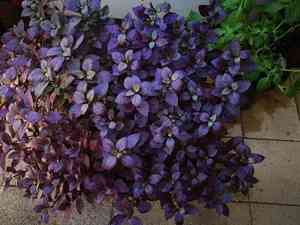
Josephs coat flourishes when reproduced via cuttings, offering a convenient and efficient technique for cultivators. For optimal results, sever robust, non-blooming stems measuring roughly 4-6 inches in length. Detach the bottom leaves and immerse the severed tip into a rooting compound prior to embedding it in a porous soil blend. Maintain consistent moisture in the soil and supply diffused illumination until root systems emerge, typically within several weeks, thereby improving the likelihood of cultivating vigorous new specimens.
Optimal Time for Josephs Coat Propagation
Propagation Method
Cutting
Propagation Period
Spring,Summer
Tools for Josephs Coat Propagation
Sharp Pruning Shears
These are crucial for making clean, precise cuts from the parent josephs coat plant. Sharp blades ensure smooth cuts, preventing disease and promoting better root growth when cuttings are planted.
Rooting Hormone Powder
This substance is applied to the cut end of stem cuttings to speed up root development and boost overall propagation success. It stimulates root formation at the cut site, greatly improving the chances for josephs coat to establish a strong root system.
Sterilizing Solution (e.g., Isopropyl Alcohol or Bleach Solution)
Used to sanitize pruning shears before and after taking cuttings. This is vital to stop the spread of pathogens and diseases between plants. Sterilizing tools helps maintain the health and viability of josephs coat cuttings.
Plastic Pots or Trays with Drainage Holes
These containers are used for planting prepared cuttings. Drainage holes are essential to prevent waterlogging, which can cause root rot and negatively impact the health of developing josephs coat.
Seed Starting Mix
This lightweight medium is specifically designed to encourage aeration and drainage, perfect for rooting cuttings. Using a seed starting mix helps ensure delicate josephs coat roots grow without being waterlogged or suffocated, which could hinder their development.
Plastic Covers or Mini Greenhouses
These are used to cover cuttings after planting to maintain high humidity, which benefits josephs coat's root development. The cover creates a microenvironment that retains moisture and warmth, facilitating better growth rates and survival.
How to Propagate Josephs Coat?
Propagation Difficulty
Easy
Caring for Newly Propagated Josephs Coat
Caring for Newly Propagated Josephs Coat
After propagation, keep the soil damp but not waterlogged to prevent root rot. Maintain high humidity around josephs coat, using a plastic cover if needed, to aid root development. Gradually acclimatize the plant to drier conditions before moving it to its permanent spot. Regularly check for pests and treat as necessary to keep josephs coat healthy and vibrant.
Common Propagation Mistakes for Josephs Coat
Overwatering during rooting
Excess moisture can lead to root rot or fungal infections, severely compromising josephs coat's root development. This is especially problematic during initial stages before robust roots have formed.
Using overly large cuttings
Larger josephs coat cuttings may struggle to support their leaf mass without an established root system, leading to increased stress and lower survival rates.
Insufficient light
If josephs coat cuttings are placed in an area with inadequate light, their ability to photosynthesize effectively can be inhibited, stunting growth and reducing rooting success.
Tips For Propagating Josephs Coat
Sterile equipment
Using clean and sterile cutting tools helps prevent disease introduction to josephs coat cuttings. This practice promotes healthier growth and successful propagation.
Proper cutting size
Choose 4-6 inch cuttings with at least two nodes. This size is ideal, balancing sufficient leaf surface for photosynthesis with not being too large to overly stress the unestablished root system.
Moist but well-drained soil
For successful propagation, plant josephs coat cuttings in moist, well-drained soil. This environment provides adequate moisture for root development without causing waterlogging, which could lead to root diseases.



