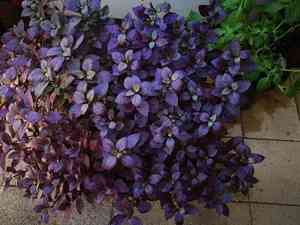
Josephs coat (Alternanthera dentata)
Also known as: Parrot leaf, Upright calico plant, Alternanthera little ruby, Joy weed, Bloodleaf
Joseph's coat, a plant thriving globally in wet, marshy regions, can become an invasive weed in the wild. It's tough to manage with herbicides or mechanical approaches. To tackle this, the alligator weed flea beetle (Agasicles hygrophila) is employed for effective biological control.
In This Article
Attributes of Josephs coat
Lifespan
Perennial
Plant Type
Herb
Plant Height
30 cm to 91 cm
Spread
60 cm
Leaf Color
Purple Green Bronze
Flower Size
0.1-0.2 inches (2.5-5 mm)
Flower Color
White
Images of Josephs coat
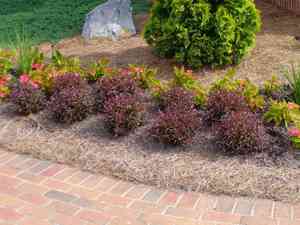
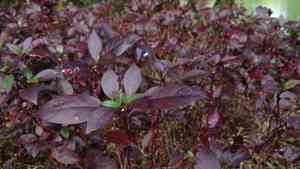
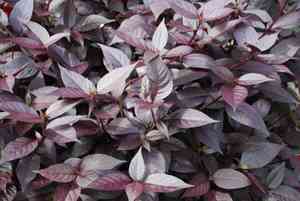
Quickly Identify Josephs coat
1
Distinct dentate leaf margin in hues of burgundy, pink, and purple.
2
Alternate sterile anthers on flowers, creating structural interest.
3
Small, dry utricle fruit with papery texture and single seed.
4
Linear-lanceolate leaves with pinnate veins, glossy and vibrant purple.
5
Tiny white-green flowers in dense clusters, lacking noticeable scent.
Scientific Classification of Josephs coat
Phylum
Vascular plants
Class
Dicotyledons
Order
Caryophyllales
Family
Amaranth
Genus
Joseph's coat
Species
Josephs coat
Planting and Growing of Josephs coat
Care Difficulty
Easy
Watering Schedule
Every 4 days
Sunlight Requirements
Full sun
Sunshine Duration
4-8 hours
Ideal Temperature
65-75℉
Soil Type
Potting Mix, Peat Mix
Soil pH
6.5-7.5
Fertilizer Type
Balanced
Pruning Season
Spring, Summer
Pruning Area
Branches, Leaves
Pruning Frequency
2 times a year
Repotting Season
Spring
Pot Type
Plastic, Ceramic
 How to Water Josephs coat?
For Alternanthera dentata, ensure the soil is soaked thoroughly, reaching just to the point where excess moisture drains out the bottom. The plant thrives with a balance, allowing roots to draw moisture without sitting in water, which could harm the roots over time.
What are the symptoms of an underwatered Josephs coat?
›
What should I do if my Josephs coat is not getting enough water?
›
What are the symptoms of an overwatered Josephs coat?
›
How to save an overwatered Josephs coat?
›
 What Are the Sunlight Requirements for Josephs coat?
Alternanthera dentata appreciates full to partial sun exposure. Ideal light fosters vibrant foliage and strong growth, maximizing photosynthesis and contributing to its lush appearance.
What are the best light conditions for Alternanthera dentata?
›
How can I achieve ideal lighting for my Alternanthera dentata?
›
What benefits does ideal lighting offer to Alternanthera dentata?
›
 What Is the Ideal Temperature Range for Josephs coat?
The ideal temperature range for growing Alternanthera dentata is between 65°F and 75°F. This temperature range promotes optimal growth and vibrant foliage coloration, which is a key characteristic of this plant. Maintaining this range ensures that the plant can carry out its physiological processes without stress, leading to healthy development.
 What Soil is Best for Josephs coat?
Alternanthera dentata thrives in well-drained soil that prevents waterlogging, which can lead to root rot. Ensuring good drainage helps maintain the plant's vibrant foliage and supports robust growth. This plant benefits from a soil rich in organic matter, providing essential nutrients that help it maintain its striking leaf color and boost resilience to environmental stress. Regular moisture levels in the soil are beneficial for Alternanthera dentata. Consistent moisture supports lush foliage and helps the plant withstand hotter conditions without wilting.
 How to Fertilize Josephs coat?
For Alternanthera dentata, applying liquid fertilizer should be controlled carefully. Use half-strength liquid fertilizer, usually about half a teaspoon per gallon of water, to prevent any risk of nutrient burn while ensuring the plant gets necessary nourishment.
 How to Prune Josephs coat?
Begin by examining the plant and identify any stems that appear leggy or overextended beyond the desired shape. Using sterilized, sharp pruning shears, trim back approximately one-third of these longer stems close to a leaf node to encourage bushier growth. For longer maintenance, consider pinching back about an inch or two of new growth weekly, thereby promoting a denser form. Be sure to maintain the desired height and shape while ensuring the central part of the plant remains well-exposed to sunlight.
More About Pruning Techniques→
 How to Propagate Josephs coat plant?
1
Select healthy, non-flowering stems and use sharp pruning shears to cut a section about 4-6 inches long. Ensure that you remove the leaves from the lower half of the cutting to prevent rot.
2
Dip the cut end of the cutting into rooting hormone powder. Tap off any excess powder and plant the cutting in a well-draining potting mix. This step encourages the development of a strong root system.
3
Place the pot in a warm, bright location out of direct sunlight. Maintain high humidity around the cutting by covering it with a plastic bag or placing it in a propagator.
 How to Repot Josephs coat plant?
1
Alternanthera dentata should be repotted when you notice signs such as roots growing out of the drainage holes, soil drying out too quickly, or when the plant becomes top-heavy. These are indications that the plant has outgrown its current pot and requires more space to thrive.
2
Select a pot that's one size larger than the current pot, ideally with drainage holes. This allows enough space for root growth while preventing waterlogging, which can lead to root rot. A pot with good drainage ensures that excess water can escape easily, promoting healthier plant roots.
3
Opt for a well-draining potting mix that's rich in organic matter to provide nutrients. This type of soil ensures that water doesn't stagnate around the roots, reduces the risk of root rot, and provides the necessary nutrients for vibrant foliage.
Learn More About Josephs coat Diseases
Anthracnose
Bacterial Leaf Spot
Bacterial Soft Rot
Bacterial Wilt
Chemical Injury
Damping-off
Downy Mildew
Drought Stress
Fusarium Wilt
Gray Mold
Leaf Curl
Leaf Spot
Mosaic
Nutrient Deficiency
Nutrient Toxicity
Powdery Mildew
Root Rot
Root-knot Nematode
Rusts
Sooty Mold
Spider Mites
Temperature Stress
Thrips Damage
White Mold



