The Josephs coat Plant Advantage: Maximizing Home and Office Appeal and Wellness
1
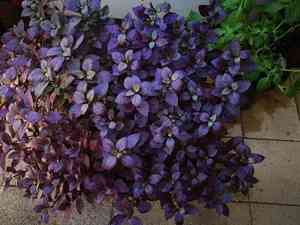
Joseph's Coat is recognized for its vivid leaves, which bring beauty to any outdoor space.
2
This particular plant variety requires minimal upkeep and is simple to cultivate.
3
Joseph's Coat contributes to better soil conditions by stopping erosion and boosting water absorption.
Why Consider Cultivating Joseph's Coat?
Visual Allure
Joseph's Coat is celebrated for its remarkably vibrant leaves, displaying hues from deep purple to bright red. Its striking foliage makes it ideal for injecting color into garden designs. It complements various plants and creates strong visual contrasts when paired with green foliage. The plant's diverse leaf sizes and shapes also add to its aesthetic appeal, enabling gardeners to craft textured and layered arrangements.
Effortless Upkeep
A key advantage of Joseph's Coat is its minimal care requirements. It flourishes in diverse soil types and tolerates a range of sun exposures, making it a superb choice for different garden environments. Whether you're a novice or an experienced gardener, Joseph's Coat demands little effort to cultivate and maintain. Consistent watering and occasional trimming are enough to keep it healthy and vibrant.
What Makes Joseph's Coat a Versatile Garden Specimen?
Adaptability to Diverse Settings
Joseph's Coat is highly adaptable, thriving in various environments, whether planted in garden beds, borders, or containers. Its versatility suits both urban and rural landscapes. The plant's resilience allows it to endure different climatic conditions, making it a dependable option for gardeners in diverse regions.
Improved Soil Quality
Beyond its visual benefits, Joseph's Coat significantly contributes to enhancing soil health. It aids in preventing soil erosion by forming a dense ground cover that stabilizes the earth. Furthermore, its capacity to improve soil moisture retention benefits the overall health of garden plants. By incorporating Joseph's Coat into your garden, you foster a more sustainable and resilient garden ecosystem.
How Does Joseph's Coat Support Biodiversity?
Attracting Beneficial Insects
Cultivating Joseph's Coat in your garden can draw in various beneficial insects, including pollinators like bees and butterflies. These insects are vital for pollination, which is crucial for the reproduction of flowering plants. Hosting such insects can boost the overall health and productivity of your garden.
Providing Wildlife Habitat
Joseph's Coat can also serve as a refuge for small wildlife, such as birds and beneficial insects. Its dense foliage offers shelter and nesting sites, contributing to a balanced garden ecosystem. By promoting biodiversity, Joseph's Coat supports the well-being of your garden and helps create a flourishing natural environment.
Tips for Successfully Growing Joseph's Coat
Ideal Growing Conditions
For healthy Joseph's Coat growth, plant it in well-drained soil and ensure it receives ample sunlight â ideally full sun to partial shade. Regular watering is essential, especially during dry spells, but avoid waterlogging the soil. Applying a balanced fertilizer during the growing season can encourage lush foliage.
Routine Care
While Joseph's Coat is low maintenance, some routine care can help it flourish. Prune regularly to remove dead or damaged leaves and shape the plant as desired. Mulching around the base can help retain soil moisture and suppress weeds. Monitor for common pests and address them promptly to prevent infestations.



