How to Transplant Bull-oak?
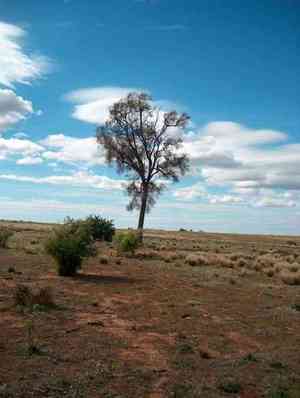
For bull-oak, the optimal period for relocation is in mid-spring, enabling root systems to develop prior to the summer warmth. Select a bright spot with soil that drains effectively. Maintain consistent soil hydration to minimize transplant stress and improve successful integration.
Essential Preparations Before Relocating Bull-oak
Optimal Timing for Bull-oak Relocation?
The best time to move bull-oak is during mid to late spring, benefiting from moderate temperatures and increased soil moisture. This period encourages robust root development before summer's heat. Transplanting at this time enhances the plant's stability and growth, leading to a healthier and more resilient perennial.
Required Spacing Between Bull-oak Plants?
When relocating bull-oak, ensure each plant is positioned 26-33 feet (8-10 meters) apart. This provides ample room for growth without resource competition.
Ideal Soil Blend for Bull-oak Relocation?
Prepare a soil mixture for bull-oak that drains well and has a slightly acidic to neutral pH. Improve soil quality by incorporating compost or a balanced base fertilizer prior to transplanting.
Optimal New Location for Your Bull-oak?
Bull-oak flourishes best in full sunlight. Select a spot where it will receive at least 6-8 hours of direct sun exposure to ensure vigorous growth.
Tools Required Before Transplanting Bull-oak?
Gardening Gloves
To safeguard your hands while handling soil and the plant.
Shovel or Spade
For excavating and extracting the plant from its original spot.
Trowel
For more precise digging and handling roots.
Watering Can
To hydrate the plant before and after its relocation.
Rooting Hormone (Optional)
To stimulate root growth and lessen transplant shock.
Bucket
To temporarily hold the plant if necessary.
Mulch
To maintain soil moisture and regulate temperature after transplant.
How to Extract Bull-oak from its Current Location?
How to Extract Bull-oak from its Current Location?
From Ground: First, moisten the bull-oak plant's soil. Then, dig a wide trench around the plant using a shovel or spade, ensuring the plant's root ball remains intact. Carefully work the spade beneath the root ball to lift the plant from its original spot.From Pot: Gently tap the pot's sides to loosen the soil. Carefully invert the pot and support the plant's base as you slide it out. If the plant is root-bound, gently loosen the roots with your fingers or a trowel.From Seedling Tray: Water the seedlings thoroughly before removal. Use a trowel or your fingers to gently lift the seedlings from the tray, keeping as much of the root system intact as possible.
Step-by-Step Guide for Relocating Bull-oak
Site Preparation
Prepare the soil in the new location by digging a hole that is twice as wide and slightly deeper than the bull-oak plant's root ball.
Plant Removal
Carefully extract the bull-oak plant from its initial spot, following the guidelines based on its current growing conditions.
Transplanting
Position the bull-oak plant in the new hole. Adjust the depth so the top of the root ball is level with the surrounding soil. Backfill the hole with soil, gently pressing it down to eliminate air pockets.
Watering
Thoroughly water the newly relocated bull-oak plant to help the soil settle around the roots.
Mulching
Apply a layer of mulch around the plant's base, leaving a small gap around the stem to prevent rot.
Post-Transplant Care for Bull-oak
Watering
Keep the soil around the bull-oak consistently moist, but not waterlogged, for the initial weeks after transplanting to aid in strong root establishment.
Monitoring
Regularly inspect the plant for signs of stress, such as wilting or yellowing leaves, and adjust care as necessary.
Support
If the bull-oak plant is tall or susceptible to wind damage, consider adding a support stake to help it remain upright during the adjustment period.
Addressing Common Issues with Bull-oak Relocation.
When is the best time to transplant bull-oak?
The optimal period to transplant bull-oak is mid to late spring for peak growth and success.
What's the recommended spacing for bull-oak transplants?
Space bull-oak transplants approximately 26 to 33 feet (8 to 10 meters) apart to allow for full development.
How should I prepare the soil for bull-oak?
Ensure well-draining soil enriched with organic matter for healthy root establishment and growth.
How deep should the hole be for bull-oak transplant?
Dig a hole twice the width and the same depth as the root ball for bull-oak.
Should I water bull-oak immediately after transplanting?
Yes, water thoroughly right after transplanting to help the roots settle and reduce shock.
How can I reduce transplant shock for bull-oak?
Keep the root ball intact, water well, and avoid transplanting in extreme temperatures.
What is the ideal soil pH for bull-oak?
Bull-oak thrives in slightly acidic to neutral soil, with a pH between 6.0 and 7.0.
Should I mulch around bull-oak after transplanting?
Yes, apply a 2-3 inch (5-8 cm) mulch layer to retain moisture and suppress weeds.
How often should I water bull-oak after transplanting?
Water bull-oak deeply once a week, more frequently in hotter conditions, until established.
Can I fertilize bull-oak immediately after transplanting?
Wait a few weeks before fertilizing to avoid root burn and allow bull-oak to adjust first.



