How to Propagate Bull-oak?
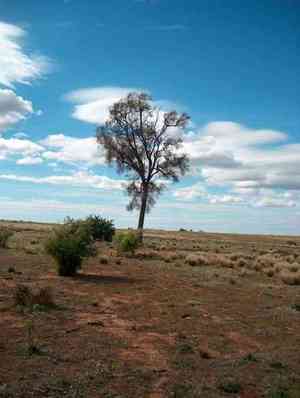
Casuarina equisetifolia, a member of the Casuarinaceae family, flourishes in adequately drained ground under full sun exposure. For propagation, employing cuttings often leads to favorable outcomes. Choose robust, semi-lignified cuttings and apply a rooting stimulant prior to inserting them into a free-draining propagation substrate. This enhances the likelihood of successful root formation. Guarantee steady hydration without saturation to encourage robust root growth, and sustain a warm setting to aid development.
Optimal Time for Bull-oak Propagation
Propagation Method
Cutting
Propagation Period
Autumn,Winter
Tools for Bull-oak Propagation
Sharp Pruning Shears
These are vital for obtaining clean, precise cuttings from bull-oak. A clean cut is crucial for preventing harm and disease, fostering healthier new growth.
Rooting Hormone
Applying rooting hormone to the base of bull-oak's cuttings aids in stimulating root formation and boosts propagation success. It promotes faster, stronger root development.
Sterilized Potting Medium
A sterile, well-draining potting mix is essential for bull-oak propagation. It offers cuttings a clean environment, free from pathogens that could impede root growth.
Propagating Trays
These trays offer an organized space for cultivating multiple bull-oak cuttings simultaneously, ensuring each has ample room for ideal growth conditions.
Humidity Dome
Maintaining high humidity is critical for bull-oak's cuttings to prevent moisture loss and assist in root establishment. A humidity dome creates a controlled environment to meet this need.
Heat Mat
Consistent bottom warmth from a heat mat accelerates root development in bull-oak's cuttings. It ensures the soil stays at an ideal temperature for rooting.
Misting Bottle
Regular misting with a fine spray bottle keeps bull-oak cuttings adequately hydrated. This tool helps maintain necessary moisture levels for root initiation without over-saturating the soil.
Labeling Stakes
Labeling stakes help track various bull-oak cuttings, ensuring proper identification and care throughout the propagation process.
Propagating Bull-oak: A Guide
Propagation Difficulty
Moderately Difficult
Caring for Your Newly Propagated Bull-oak
Caring for Your Newly Propagated Bull-oak
Once cuttings have rooted and show new growth, gradually introduce them to normal indoor or outdoor conditions by slowly removing the plastic cover. Transplant young bull-oak plants into individual pots with well-draining soil. Water regularly, allowing the soil to dry slightly between waterings, and ensure they receive sufficient sunlight. Protect young plants from extreme temperatures and pests during their initial growth phase.
Common Errors to Avoid When Propagating Bull-oak
Overwatering
Excess moisture can lead to root rot and fungal issues, negatively impacting bull-oak's root development and overall health.
Poor Soil Choice
Using soil with inadequate drainage or high organic content can impede bull-oak's growth, as it prefers well-draining, sandy soil.
Incorrect Seed Handling
Failure to properly prepare or store seeds can reduce their viability, leading to low germination rates for bull-oak.
Insufficient Sunlight
Placing bull-oak in shaded areas prevents it from receiving the full sunlight essential for its growth, resulting in stunted development.
Advice for Propagating Bull-oak
Well-Draining Soil
Ensure the use of sandy, well-draining soil to support healthy root growth and prevent waterlogging.
Seed Stratification
Pre-soak seeds in warm water for several hours or perform cold stratification to enhance germination success.
Adequate Watering
Maintain a balanced watering routine, avoiding overwatering while keeping the soil consistently moist during the germination phase.
Full Sun Exposure
Position the plant in an area that receives full sunlight for optimal growth, ensuring it gets sufficient exposure throughout the day.



