How to Prune Bull-oak?
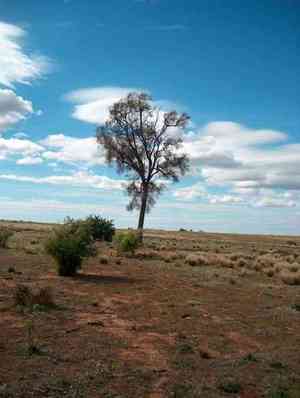
Casuarina is recognized for its hardiness and thick canopy. The best periods for trimming are in early spring and late winter, coinciding with its developmental phase. Begin by removing any compromised or lifeless branches, then proceed with shaping to stimulate robust new development. Exercise care to avoid excessive pruning, as this could harm the tree. Consistent, moderate trimming aids in preserving its form and fostering energetic growth. Consult authoritative gardening resources for advice tailored to the species to achieve the best outcomes.
What Are the Benefits of Pruning Bull-oak?
What Are the Benefits of Pruning Bull-oak?
Bull-oak thrives with trimming to encourage robust growth and maintain its form, improving its overall look and vitality. Regular trimming aids in pest and disease resistance, manages size, and fosters healthy development, crucial for optimal performance in garden settings.
What Is the Best Time for Pruning Bull-oak?
What Is the Best Time for Pruning Bull-oak?
The ideal periods for trimming bull-oak are early spring and late winter. Pruning during these times ensures bull-oak remains dormant, minimizing stress and lowering the risk of disease or pest infestation. Additionally, trimming in late winter or early spring allows for clearer visibility of the plant's structure, enabling more precise cuts. It also ensures the plant has ample time to recover before the active growing season begins, promoting healthy growth and enhancing its flowering or fruiting potential.
What Tools Do I Need to Prune Bull-oak?
Hand Pruners
Essential for cutting small branches and twigs up to 1 inch in diameter. Provides the precision needed for shaping bull-oak and removing dead or diseased wood.
Loppers
Best suited for removing thicker branches between 1 to 2 inches in diameter. Offer greater leverage for harder-to-reach branches of bull-oak.
Pruning Saw
Used for cutting branches thicker than 2 inches. Necessary for maintaining the structural integrity of bull-oak by removing larger limbs.
Pole Pruner
Ideal for cutting high branches without needing a ladder, ensuring safe and effective maintenance of bull-oak's upper growth.
Bypass Pruners
Recommended for clean cuts on live wood, preventing damage to the healthy tissue of bull-oak for optimal health and growth.
How to Prune Bull-oak
Inspect
Examine bull-oak to identify dead and diseased branches that require removal. Look for indicators such as discoloration, lack of leaves, or brittleness in branches.
Tools
Utilize sharp, clean pruning shears or a pruning saw to prevent damage to bull-oak. Sanitize tools before use to avoid disease spread.
Trim dead branches
Carefully cut dead branches back to the nearest healthy branch or the main trunk. Ensure cuts are clean and close to the base without leaving stubs.
Trim diseased branches
Remove diseased branches by cutting well below the infected area, ensuring to discard the infected material away from bull-oak to prevent contamination.
Cleanup
Dispose of all trimmings properly and disinfect tools after pruning to avoid disease transmission to other plants.
Common Pruning Mistakes with Bull-oak
Over-pruning
One of the most frequent errors is removing too much of the plant's foliage at once, which can stress bull-oak. Excessive pruning can also diminish the plant's ability to photosynthesize effectively.
Incorrect cutting technique
Using improper tools or making jagged cuts can harm the plant. Clean, sharp tools are crucial for making precise cuts that heal well.
Pruning at the wrong branch points
Cutting at incorrect spots, such as too far from or too close to a node, can lead to dieback and irregular growth patterns.
Not sanitizing tools
Failing to clean pruning tools before and after use can spread diseases among plants, jeopardizing their health.
Ignoring dead or diseased wood
Overlooking the removal of dead, diseased, or damaged wood can lead to the spread of pathogens and infestations.
Common Pruning Tips for Bull-oak
Use clean and sharp tools
Ensure your pruning shears, loppers, and saws are clean and sharp. This reduces the risk of disease spread and ensures clean cuts for quicker healing.
Cut at the right angles
Make your cuts at a 45-degree angle just above a node or bud to encourage healthy regrowth and proper healing.
Target crossing branches
Remove any branches that cross over each other as they can rub and damage the bark, making the plant susceptible to diseases and pests.
Thin out crowded areas
Reduce overcrowded branches to allow better air circulation and light penetration. This helps in maintaining the plant's overall health and vigor.
Assess and prune regularly
Regularly assess bull-oak for any dead, diseased, or damaged branches and remove them promptly. Regular maintenance helps the plant stay healthy and prevents problems from escalating.
Make gradual cuts
Instead of making heavy cuts all at once, prune bull-oak gradually over time. This approach is less stressful for the plant and promotes steady growth.



