How to Transplant Alpine leek?
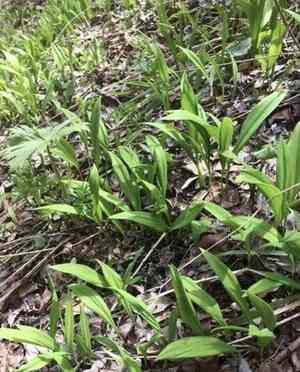
The optimal period for relocating alpine leek is from the end of spring to the beginning of summer, facilitating a smooth adjustment to its new environment. Select an area featuring fertile, damp earth and dappled sunlight. Incorporating a small amount of compost will foster robust development.
What Preparations are Needed Before Transplanting Alpine Leek?
What is the Ideal Time for Transplanting Alpine Leek?
The best period for relocating alpine leek extends from the pleasant, mild weeks of late spring into the warm start of early summer. This timing allows alpine leek to establish strongly in moderate temperatures with a reduced risk of frost damage. Moving alpine leek during this window takes full advantage of longer days and increasing warmth, setting it up for vigorous growth and development. By transplanting alpine leek now, you'll support its acclimation, giving it ample time to develop a robust root system before the onset of challenging winter conditions.
How Much Space Should You Leave Between Alpine Leek Plants?
When transplanting alpine leek, ensure a separation of approximately 4-6 inches (10-15 cm) between each plant. This provides each one sufficient room to grow without competing for resources. They will certainly appreciate it!
What is the Best Soil Mix for Alpine Leek Transplanting?
Your alpine leek will flourish in soil that drains well. A foundational fertilizer suitable for alpine leek should possess a balanced NPK ratio (Nitrogen, Phosphorus, and Potassium). Prepare the soil a week prior to transplanting to allow the fertilizer to become effective.
Where Should You Relocate Your Alpine Leek?
Select a site where alpine leek can receive full to partial sunlight. They enjoy basking in the sun's warmth, but some shade is also acceptable. Monitor the weather forecast! Excessive heat, especially in the afternoon, could be detrimental.
What Equipments Should You Prepare Before Transplantation Alpine Leek?
Gardening Gloves
To safeguard your hands while handling the alpine leek plant and working with soil.
Hand Fork or Spade
To excavate the hole for the alpine leek plant's new location and for extracting the plant from its original spot.
Pruning Shears
To trim any damaged or superfluous roots.
Wheelbarrow
To transport the alpine leek plant to its new site.
Watering Can
To irrigate the alpine leek plant immediately following transplantation.
How Do You Remove Alpine Leek from the Soil?
How Do You Remove Alpine Leek from the Soil?
From Ground: Thoroughly water the alpine leek plant before extracting it from the ground. This will help its roots retain more soil, lessening stress on the plant during relocation. Dig around the plant with a spade, being careful not to disrupt its root structure. Gently work the spade beneath the root ball to lift the plant from its initial position.From Pot: Water the plant in the container to moisten the soil. Invert the pot and gently tap it to release the alpine leek plant, ensuring no damage to the root ball.From Seedling Tray: Water the tray before removing the alpine leek plant. Use a hand fork to carefully dislodge the seedling from the bottom, taking care not to harm the roots. Hold the seedling by the root ball, not the stem, when lifting it from the tray.
Step-by-Step Guide for Transplanting Alpine Leek
Preparation
Prepare the new planting site. It should be sufficiently wide and deep to comfortably accommodate the alpine leek's root ball.
Placement
Position the alpine leek in the hole. The top of the root ball should be level with or slightly below the soil surface.
Backfilling
Refill the hole, gently firming the soil around the base of the alpine leek. Avoid pressing down too hard as this can compact the soil and impede root growth.
Watering
Thoroughly water the plant to settle the soil around the roots and aid the plant in recovering from transplant shock.
How Do You Care For Alpine Leek After Transplanting?
Initial care
During the first few weeks post-transplant, closely observe the alpine leek, keeping the soil consistently moist but not waterlogged.
Mulching
Apply a layer of mulch around the plant to help retain moisture and reduce weed competition; however, keep the mulch at least an inch away from the plant's stem to prevent rot.
Monitoring
Pay attention to any significant changes in the alpine leek plant. If the leaves of the plant begin to wilt, it might be due to excessive or insufficient water, or the plant may not be receiving enough direct sunlight.
Troubleshooting Common Issues with Alpine Leek Transplantation.
When is the best time to transplant alpine leek?
The optimal time to transplant alpine leek is during late summer to mid-autumn (S3-S4), when its growth rate is slow.
What's the ideal space between alpine leek transplants?
Ensure a gap of approximately 4-6 inches (10-15 cm) between each alpine leek transplant. This provides them ample room to spread.
Should I water alpine leek right after transplanting?
Yes, it is advisable to water alpine leek immediately after transplanting. This assists in establishing the root system in its new location.
What should I do if the leaves of alpine leek turn yellow post-transplant?
Yellow leaves might indicate overwatering. Reduce irrigation and consider improving soil drainage. If that doesn't work, test your soil for potential nutrient deficiencies.
What is the correct depth for planting alpine leek bulbs?
The ideal planting depth for alpine leek bulbs is twice their size. This is typically around 2 inches (5 cm). Planting too deep may lead to rot, while too shallow may expose them to cold temperatures.
What type of soil is best for alpine leek transplants?
Alpine leek thrives in well-drained soil, rich in organic matter. Incorporating compost or well-rotted manure can boost soil fertility and enhance its structure. Avoid heavy clay or waterlogged soils.
Why are my alpine leek transplants not blooming?
Lack of flowering could stem from insufficient nutrients (especially phosphorus or potassium), incorrect planting depth, or inadequate sunlight. Make the necessary adjustments for successful blooming.
How can I protect my alpine leek transplants from pests and diseases?
Regular weeding and maintaining proper spacing prevent most pests and diseases. Additionally, crop rotation and using insecticidal soap or neem oil can help keep potential problems at bay.
How to handle alpine leek transplants during extreme weather conditions?
During extreme heat, keep the soil consistently moist to help alpine leek transplants cope. For frost or cold winds, a layer of mulch or a cloche can provide necessary protection.
Can I transplant alpine leek into containers or pots?
Certainly! You can plant alpine leek in containers at least 10 inches (25 cm) wide and deep. Ensure the potting mix drains well, and the pot has adequate drainage holes.



