How to Prune Alpine leek?
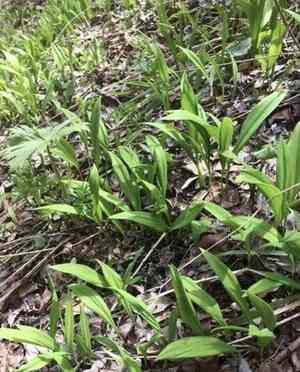
A persistent herbaceous plant, alpine leek, recognized by its clusters of wide leaves and consumable portions, flourishes with consistent trimming to eliminate spent foliage and foster vigorous development. Essential methods involve cutting off deceased or yellowed leaves near the base and gathering leaves judiciously to prevent over-stressing the plant. Perform pruning during Spring, Summer, or Autumn, aligning with periods of active growth. This practice guarantees vigor, deters ailments, and stimulates a plentiful yield of leaves, which are valued for gastronomic applications.
What Are the Benefits of Pruning Alpine Leek?
What Are the Benefits of Pruning Alpine Leek?
Trimming alpine leek promotes abundant flowering, stimulates robust development, and preserves its desired shape. This selective removal allows the plant to channel energy into producing vibrant blossoms while ensuring it remains visually appealing and well-proportioned.
What Is the Best Time for Pruning Alpine Leek?
What Is the Best Time for Pruning Alpine Leek?
Pruning alpine leek in early spring is advantageous as it aligns with the start of the plant's active growth phase. This timing enables rapid healing and supports new growth, which is less likely to suffer damage from harsh winter conditions. It's also an excellent period to remove any dead or damaged foliage remaining from winter, preparing alpine leek for the vigorous growth period ahead. Late summer pruning is also suitable for alpine leek since its flowering cycle is typically complete by then. Removing faded blooms and any leggy growth helps maintain a compact, healthy plant structure, redirects energy to root development, and can potentially stimulate another flush of foliage. This timing also prevents the plant from investing resources in seed production, which can enhance vegetative growth. Furthermore, late summer pruning minimizes the risk of disease transmission that can occur during the wetter, cooler autumn season. Avoid pruning alpine leek in fall to prevent new growth that could be susceptible to the upcoming winter cold.
What Tools Do I Need to Prune Alpine Leek?
Bypass Pruners
Perfect for making clean cuts on green or living parts of alpine leek, minimizing tissue damage to promote better healing and prevent the spread of plant diseases.
Pruning Shears
Suitable for trimming small to medium-sized stems or leaves of alpine leek, offering precision and control when shaping the plant or removing damaged foliage.
Garden Scissors
Appropriate for deadheading or light shaping of alpine leek, providing comfortable handling for delicate work on small stems and leaves without causing undue stress to the plant.
Pruning Saw
Useful for cutting through thicker branches if alpine leek is mature and has developed woody stems, ensuring clean cuts that will not tear the plant tissue.
How to Prune Alpine Leek
Clean Tools
Before pruning alpine leek, sanitize your tools to prevent disease transmission. Use a solution of 1 part bleach to 9 parts water or rubbing alcohol to clean the blades.
Remove Diseased Leaves
Identify and cut off diseased leaves from alpine leek at their base near the stem. Carefully dispose of them away from the garden to prevent contamination.
Trim Withered Leaves
Prune withered leaves to encourage growth and improve air circulation. Clip the leaves at the base without harming new shoots or nearby healthy foliage.
Deadhead Flowers
Deadhead spent flowers by snipping the flower stalk below the faded bloom. This encourages alpine leek to focus energy on vegetative growth and ensures tidiness.
Cleanup
After pruning alpine leek, clear away all trimmings to deter pests and disease. Compost healthy plant material and securely dispose of diseased parts.
Common Pruning Mistakes with Alpine Leek
Overpruning
Removing too much foliage from alpine leek at once can stress the plant and hinder its growth. This can lead to fewer blooms and a weakened plant more vulnerable to diseases and pests.
Imprecise Cuts
Making jagged or tearing cuts can create open wounds on alpine leek that are susceptible to infection. Clean, sharp cuts are crucial for the plant's health.
Removing Healthy Growth
Unnecessarily cutting away healthy leaves and stems can diminish the plant's vigor. Prioritizing dead or diseased material should be the focus when pruning alpine leek.
Ignoring Plant Shape
Not considering the natural form of alpine leek can result in an unbalanced plant that does not flower optimally. Maintaining the plant's inherent shape while pruning is important.
Pruning Too Early
Cutting back alpine leek before it has fully matured can prevent it from establishing a strong root system and foliage development.
Common Pruning Tips for Alpine Leek
Clean Tools
Always use cleaned and sterilized pruning shears to prevent the spread of disease when cutting back alpine leek.
Targeted Cuts
Focus on removing only the dead foliage, spent flowers, and any diseased or damaged stems to promote healthy growth and flowering in alpine leek.
Cut Angle
When pruning alpine leek, cut stems at a 45-degree angle just above a bud or branching point to encourage new growth in the desired direction.
Consider Plant Health
Ensure alpine leek is healthy and well-established before starting any pruning. Weak or stressed plants may not recover well from pruning.
Minimalist Approach
Adopt a 'less is more' attitude when pruning alpine leek to maintain the plant's energy reserves and ensure it can thrive.



