How to Propagate Alpine leek?
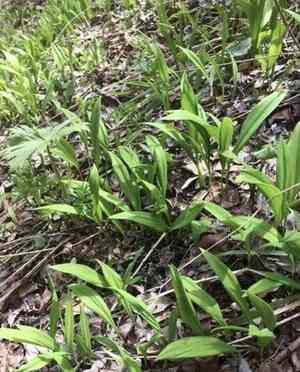
Alpine leek thrives in an optimal setting and can be multiplied via its tubers, which are specialized organs for nutrient storage. For successful cultivation, a gardener ought to meticulously detach the tubers from the main plant, preferably choosing vigorous and sturdy samples. Every segment of the tuber needs to possess an eye that will develop into a fresh sprout when placed in adequately draining, rich earth. Supplying appropriate attention, such as correct irrigation without oversaturation, will aid the growth of these sprouts into mature flora.
Optimal Time for Alpine Leek Propagation
Propagation Method
Utilize The Tubers
Propagation Period
Spring
Essential Tools for Alpine Leek Propagation
Trowel
A trowel is vital for excavating and lifting alpine leek tubers without causing harm. Its slender blade allows for precise maneuvering around the root system, minimizing the risk of tuber damage. This implement is useful for both harvesting existing tubers and planting new ones.
Garden Fork
A garden fork is advised for loosening the soil around alpine leek prior to tuber extraction. It aids in soil aeration and reduces compaction, which facilitates easier tuber removal and lessens root damage. The spaced tines are perfect for sifting soil while preserving tuber integrity.
Label and Permanent Marker
Labels marked with a permanent marker are essential for identifying and organizing various alpine leek varieties during propagation. Clear labeling helps track growth progress and specific care requirements for each propagated plant, ensuring accurate and efficient cultivation.
Watering Can with a Fine Rose
After planting alpine leek tubers, gentle watering is necessary. A watering can with a fine rose attachment ensures a soft, even water distribution, preventing soil displacement or erosion around newly planted tubers. This tool helps maintain adequate moisture levels crucial for successful alpine leek establishment and growth.
Horticultural Fleece
This material protects young alpine leek sprouts from extreme temperatures and pests. The fleece permits light and moisture to reach the plant while maintaining a stable microenvironment. It's especially beneficial during early growth stages after propagation, when the plant is most vulnerable.
Caring for Your Newly Propagated Alpine Leek
Caring for Your Newly Propagated Alpine Leek
Post Propagation Care: alpine leek thrives in a location receiving partial to full sunlight and requires weekly watering to keep the soil consistently moist, especially during dry spells. Fertilize lightly with a balanced, slow-release fertilizer at the start of the growing season. As the plant matures, reduce watering slightly to prevent overly soggy soil, which can lead to root diseases. Regularly check for pests and diseases and treat as needed.
Common Errors to Avoid When Propagating Alpine Leek
Overwatering
Excessive watering can cause root rot in alpine leek, which is particularly sensitive to too much moisture. Surplus water deprives roots of oxygen, leading to their decay.
Deep planting
Planting alpine leek too deeply can hinder proper sprouting and growth, as alpine leek needs adequate light access for successful propagation.
Neglecting soil composition
Using an unsuitable soil mix can impede alpine leek growth. Soil lacking proper drainage or nutritional balance can be detrimental to the plant's health.
Ignoring division size
Propagating alpine leek by division with sections that are too small may not contain sufficient resources for the plant to establish itself, resulting in poor or failed growth.
Tips For Propagating Alpine Leek
Appropriate hydration
Ensure the soil is moist but not waterlogged. A well-draining medium is vital for the health of alpine leek's roots.
Soil prep
Prepare a soil mix with adequate drainage and fertility suitable for alpine leek. A blend of loam, compost, and sand can provide a balanced medium.
Optimal depth
Plant alpine leek bulbs at a depth where they are covered but can easily sprout. Typically, 2-3 times the height of the bulb is a good guideline.
Suitable division
When propagating alpine leek through division, ensure each division has a section of the root system and at least one growth point to guarantee successful propagation.



