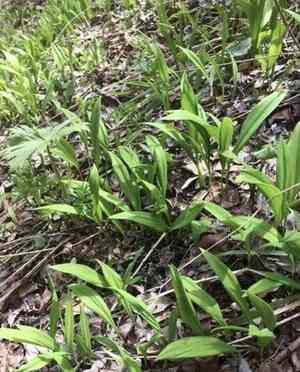
Alpine leek (Allium victorialis)
Also known as: Victory leek, Korean long-rooted garlic, Serpents garlic
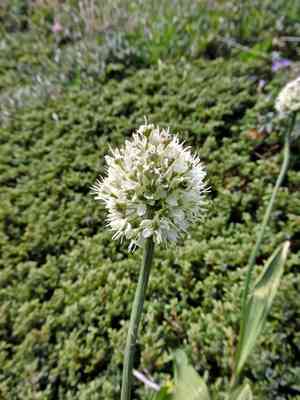
Alpine leek features large clusters of small, white flowers and is also an edible plant. The bulb, known for its strong onion aroma and flavor, is commonly used in salads and soups. Some gardeners grow it specifically for culinary purposes.
In This Article
Attributes of Alpine leek
Lifespan
Perennial
Plant Type
Herb
Plant Height
30 cm to 45 cm
Spread
30 cm to 50 cm
Leaf Color
Deep green
Flower Size
4 mm to 5 mm
Flower Color
White
Images of Alpine leek
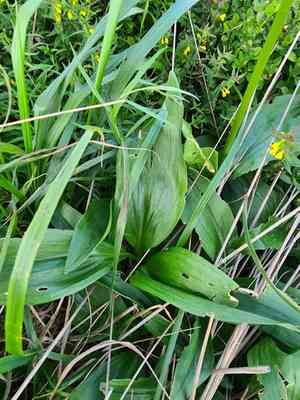
Quickly Identify Alpine leek
1
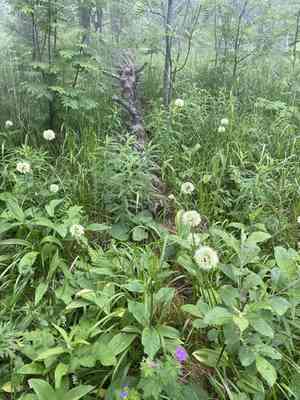
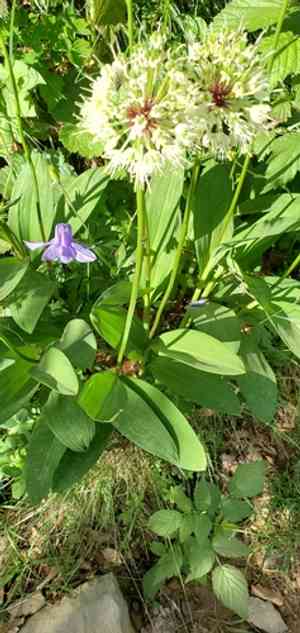
To identify Allium victorialis, look for its broad, elliptical leaves and a flower stalk that can reach up to 50 cm in height. The flower heads are umbels consisting of small, star-like white or greenish-white flowers. The plant emits a characteristic garlic-like odor when leaves or stems are crushed.
Scientific Classification of Alpine leek
Phylum
Vascular plants
Class
Monocotyledons
Order
Asparagales
Family
Amaryllis
Genus
Onions
Species
Alpine leek
Planting and Growing of Alpine leek
Care Difficulty
Easy
Watering Schedule
Every 4 days
Sunlight Requirements
Partial sun
Sunshine Duration
4-8 hours
Ideal Temperature
60-75℉
Soil Type
Potting Mix, Peat Mix
Soil pH
6.5-7.5
Fertilizer Type
Balanced
Pruning Season
Spring, Summer
Pruning Area
Branches, Leaves
Pruning Frequency
2 times a year
Repotting Season
Spring
Pot Type
Terracotta, Plastic
 How to Water Alpine leek?
Allium victorialis thrives when watered deeply, but not too frequently. Aim to provide approximately 250 ml of water per session, ensuring the soil is moist but not waterlogged. This allows the roots to access necessary moisture without suffocating.
What are the symptoms of an underwatered Alpine leek?
›
What should I do if my Alpine leek is not getting enough water?
›
What are the symptoms of an overwatered Alpine leek?
›
How to save an overwatered Alpine leek?
›
 What Are the Sunlight Requirements for Alpine leek?
Partial sun provides a balanced environment where Allium victorialis can engage efficiently in photosynthesis, maintaining robust growth and optimizing its natural resilience against environmental stresses.
More About Sunlight Requirements Techniques→
How much sunlight does Allium victorialis need?
›
What is the best solution for providing ideal lighting?
›
What benefits come with providing ideal lighting?
›
 What Is the Ideal Temperature Range for Alpine leek?
The ideal temperature range for cultivating Allium victorialis is between 60°F and 75°F. This temperature range ensures optimal growth and photosynthesis, providing the right balance between warmth and moisture retention.
 What Soil is Best for Alpine leek?
Allium victorialis thrives in well-drained soil to prevent root rot. This ensures that excess moisture is wicked away, keeping the roots healthy and robust. Rich, loamy soil full of nutrients is essential for the vigorous growth of Allium victorialis, providing it with the necessary sustenance for a lush display of foliage and flowers. Maintaining moderate moisture levels in the soil is crucial for Allium victorialis. This environment prevents desiccation of roots and ensures sustained plant vitality.
 How to Fertilize Alpine leek?
For Allium victorialis, apply liquid fertilizer at a rate of half the recommended concentration on the packaging to avoid root damage. The plant prefers a balanced fertilizer, with an N-P-K ratio of 10-10-10 being optimal. Use around 200-300 ml per plant, depending on its size and soil condition.
 How to Prune Alpine leek?
Inspect your plant for older, yellowing leaves or flower stalks that are past their prime. These should be removed to encourage new growth. Trim back any leggy or wayward stems to create a more compact shape, which helps improve air circulation within the plant. If you notice any diseased or pest-infested parts, cut them off promptly to prevent spreading the ailment to other parts of the plant. After pruning, give the plant a nutrient-rich feed to help it recover and strengthen its ability to produce new foliage and flowers.
More About Pruning Techniques→
 How to Propagate Alpine leek plant?
1
Choose a suitable site for planting with well-draining soil. Clear the area of weeds and debris to provide an optimal environment for the divided plants to establish and thrive.
2
Carefully dig up the Allium victorialis plant, identifying the clump of bulbs. Use the sharp knife or spade to separate the bulbs while ensuring each division has roots attached for successful growth.
3
Replant the divided bulb sections immediately in the prepared soil. Space the divisions appropriately to allow for growth, and water them well to help establish their roots in the new location.
 How to Repot Alpine leek plant?
1
Allium victorialis shows signs of needing repotting when the roots start to circle around the pot and growth appears stunted. Spring and early summer are ideal times due to active growth periods, allowing the plant to recover quickly.
2
Select a pot that is one size larger than the current one. Ensure it has adequate drainage holes. A slightly larger pot prevents water accumulation and provides ample room for root expansion, promoting healthier growth.
3
Choose well-draining loamy soil with good organic content. This soil type offers a balance of moisture retention and aeration, essential for Allium victorialis's root development and nutrient uptake.
Learn More About Alpine leek Diseases
Anthracnose
Bacterial Leaf Spot
Bacterial Soft Rot
Bacterial Wilt
Chemical Injury
Cyst Nematode
Damping-off
Downy Mildew
Drought Stress
Fusarium Wilt
Gray Mold
Leaf Spot
Mosaic
Nutrient Deficiency
Nutrient Toxicity
Powdery Mildew
Root Rot
Root-knot Nematode
Rusts
Spider Mites
Temperature Stress
Thrips Damage
White Mold



