How to Transplant Oneleaf onion?
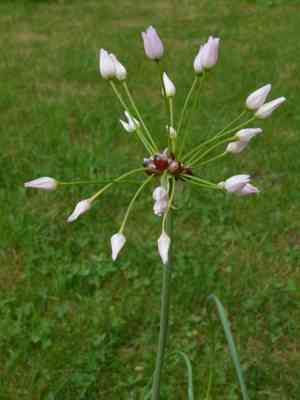
Choose the lively period of mid to late spring for relocating oneleaf onion, guaranteeing vigorous development. Select a bright location featuring soil that drains effectively. When shifting oneleaf onion, carefully separate the roots to foster expansion. A helpful suggestion: confirm the soil is damp, facilitating a smooth adjustment.
Essential Preparations Before Relocating Oneleaf Onion
Optimal Timing for Oneleaf Onion Relocation?
For oneleaf onion, the best period for moving it coincides with the vigor of late spring or the flourishing phase of mid-spring. During this time, moderate temperatures and consistent moisture levels create an ideal setting for root establishment and development. Transplanting oneleaf onion in this season leverages its natural growth cycle, ensuring a smooth transition and stronger development. A helpful tip: initiating the transplant process within this opportune window sets oneleaf onion up for success, as the mild climate eases the adjustment, helping your oneleaf onion thrive.
Recommended Spacing Between Oneleaf Onion Plants?
For oneleaf onion, aim for a separation of approximately 4-6 inches (10-15 cm) between plants. This provides ample room for their growth and flourishing. You can achieve this by preparing planting holes with these distances in mind.
Ideal Soil Mixture for Oneleaf Onion Transplanting?
Amend your garden soil by incorporating plenty of organic material and compost. This plant favors well-drained soils, so avoid excessive watering. A slow-release granular fertilizer can be added to provide your oneleaf onion plant with a nutritional boost.
Where Should You Replant Your Oneleaf Onion?
It's time to select the perfect location! Oneleaf onion thrives in full sun to partial shade. Therefore, find a spot in your garden that receives at least 6 hours of sunlight daily but also experiences some shaded periods. Happy planting!
Equipment Needed Before Transplanting Oneleaf Onion
Gardening Gloves
To safeguard your hands while handling soil and plants.
Trowel
This tool assists in digging the hole where you will position oneleaf onion.
Garden Spade
To carefully extract the plant from its original spot without harming the roots.
Hand Fork
Useful for loosening and aerating the soil in the garden.
Watering Can
To moisten the soil before and after the transplanting process.
Organic Compost
While we aren't discussing fertilizers, adding organic compost can enrich your garden's soil and support the plant's growth.
How to Extract Oneleaf Onion from the Soil?
How to Extract Oneleaf Onion from the Soil?
From Ground: Begin by watering the oneleaf onion plant to soften the surrounding earth. Using your garden spade, dig a wide circle around the plant's base, ensuring you stay clear of the roots to prevent damage. Then, gently work the spade beneath the plant to lift it out. Be careful with the roots during removal.From Pot: Water the oneleaf onion prior to the transplanting procedure. Turn the pot on its side, grasp your oneleaf onion near its base, and gently pull. If the plant doesn't slide out easily, tap the bottom of the pot to loosen it.From Seedling Tray: Ensure the oneleaf onion seedlings are well-hydrated before transplantation. Gently hold the seedling's base and lightly tap the tray to release them. Be careful not to harm the delicate roots during extraction.
Detailed Steps for Transplanting Oneleaf Onion
Site Preparation
Clear the area of any weeds or rocks. It should be large enough for the oneleaf onion to grow unhindered.
Digging the Hole
Using your trowel, excavate a hole that is twice as wide and as deep as the oneleaf onion's root ball.
Placing the Plant
Gently position the oneleaf onion in the hole, ensuring it's planted at the same depth as before. Spread out the roots to allow them to breathe.
Backfilling
Carefully refill the hole with the garden soil you removed, pressing it down gently around the base of the oneleaf onion.
Watering
Water the oneleaf onion using your watering can to help the soil settle around the root ball. Avoid overwatering, as it can lead to root rot.
Mulching
Apply a layer of mulch around the plant to retain moisture and suppress weeds.
Post-Transplant Care for Oneleaf Onion
Watering
Similar to most perennial plants, oneleaf onion prefers consistently moist soil. Ensure regular watering, especially during dry spells.
Pruning
Remove any yellow or brown leaves after transplantation. This helps oneleaf onion prioritize root development.
Companion Planting
Cultivating oneleaf onion alongside compatible plant neighbors can aid its growth and development. Research and identify which plants can benefit your oneleaf onion.
Resolving Common Issues with Oneleaf Onion Transplantation.
When is the best time to transplant oneleaf onion?
The optimal period is during seasons S2-S3. Your oneleaf onion will benefit from the moderate temperatures during this time.
What's the ideal spacing when transplanting oneleaf onion?
Proper spacing is vital, ideally around 4-6 inches (10-15 cm) apart. This provides ample room for the plants to develop.
What should I do if oneleaf onion leaves wilt after transplanting?
Wilting post-transplant often indicates transplant shock. Ensure it receives sufficient water and shield the oneleaf onion from harsh weather until it recovers.
What if the oneleaf onion isn't growing after transplanting?
Verify proper watering and sunlight exposure. If the issue persists, consider amending your soil. Remember that patience is necessary when expecting growth from transplanted plants.
How deep should I plant oneleaf onion during a transplant?
Plant oneleaf onion at the same depth it was previously growing. Planting too deep or too shallow can cause problems with root development.
How often should I water oneleaf onion after transplanting?
Initially, water it thoroughly. Afterward, keep the soil consistently moist but not waterlogged. Oneleaf onion prefers well-drained soil.
What is the best soil for oneleaf onion transplanting?
Oneleaf onion can tolerate various soil types, but it thrives best in well-draining soil with a good mix of organic matter.
Do I need to use fertilizer when transplanting oneleaf onion?
Yes, a mild starter fertilizer can help oneleaf onion establish itself in its new location. Apply sparingly and avoid overdoing it.
How to deal with pests and diseases after transplanting oneleaf onion?
Regularly inspect oneleaf onion for signs of pests and diseases. Use organic or chemical treatments if necessary. Preventing problems is easier than resolving them later.
Can I transplant oneleaf onion in pots or containers?
Absolutely! Ensure your pot has adequate drainage and is large enough to accommodate oneleaf onion's growth. Provide the same care as it would receive in the garden.



