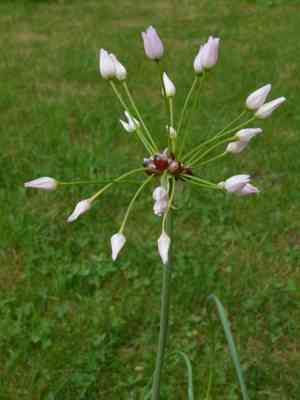
Oneleaf onion (Allium unifolium)
Also known as: American garlic
Oneleaf onion (Allium unifolium) is indigenous to regions of western North America, notably California, Oregon, and Washington. This species of wild onion prefers well-drained soils and thrives in full sun to partial shade. The bulbs are small and egg-shaped, measuring around 2 cm in length. Oneleaf onion is well-suited to various soil types, including clay, and is commonly found in grasslands, woodlands, and coastal habitats. It does well with moderate watering and is adapted to climates with wet winters and dry summers.
In This Article
Attributes of Oneleaf onion
Lifespan
Perennial
Plant Type
Herb
Plant Height
30 cm
Spread
10 cm
Leaf Color
Green Silver
Flower Size
1.5 cm
Flower Color
Pink
Images of Oneleaf onion
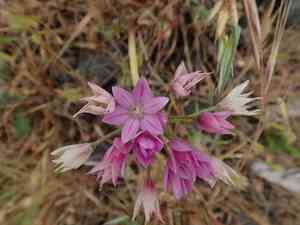
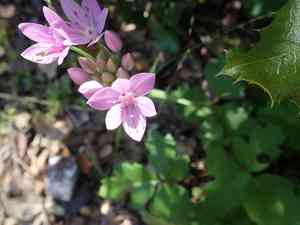
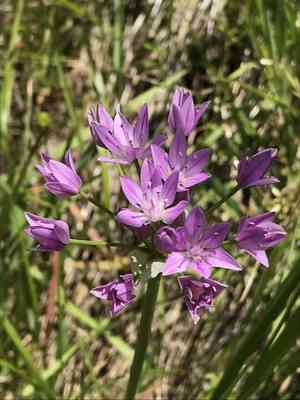
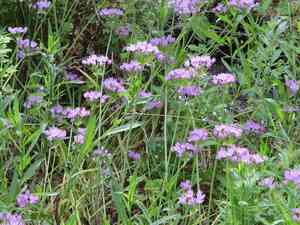
Quickly Identify Oneleaf onion
1
Grass-like leaves in clusters
2
Taller stalks with lavender-pink flowers
3
Distinctive papery tepals around fruit
4
Leaves and flowers on separate stalks
5
Umbel structure with multiple flowers
Scientific Classification of Oneleaf onion
Phylum
Vascular plants
Class
Monocotyledons
Order
Asparagales
Family
Amaryllis
Genus
Onions
Species
Oneleaf onion
Planting and Growing of Oneleaf onion
Care Difficulty
Easy
Watering Schedule
Every 2 days
Sunlight Requirements
Partial sun
Sunshine Duration
4-8 hours
Ideal Temperature
60-75℉
Soil Type
Potting Mix, Peat Mix
Soil pH
6.5-7.5
Fertilizer Type
Balanced
Pruning Season
Spring, Summer
Pruning Area
Branches, Leaves
Pruning Frequency
2 times a year
Repotting Season
Spring
Pot Type
Plastic, Ceramic
 How to Water Oneleaf onion?
The watering amount for Allium unifolium should be around 500 milliliters each time. This ensures that the soil is adequately moistened without becoming waterlogged. It's best to water until the soil is thoroughly soaked, allowing excess water to drain away completely. Ensuring even moisture throughout promotes healthy root growth.
What are the symptoms of an underwatered Oneleaf onion?
›
What should I do if my Oneleaf onion is not getting enough water?
›
What are the symptoms of an overwatered Oneleaf onion?
›
How to save an overwatered Oneleaf onion?
›
 What Are the Sunlight Requirements for Oneleaf onion?
Allium unifolium ideally enjoys partial sunlight to dappled conditions, which enhances its flowering potential and maintains lush foliage health.
More About Sunlight Requirements Techniques→
How much direct sunlight does Allium unifolium need?
›
What if my Allium unifolium gets too much sun?
›
What are the benefits of ideal lighting?
›
 What Is the Ideal Temperature Range for Oneleaf onion?
The ideal temperature range for Allium unifolium is between 60°F and 75°F. This range allows for optimal growth and blooming. Temperatures within this range ensure that the plant remains healthy, with robust foliage and strong root development. Providing such conditions consistently will lead to vibrant flowers during its blooming season.
 What Soil is Best for Oneleaf onion?
Allium unifolium thrives in well-drained soil, which prevents waterlogging and root rot. This characteristic is beneficial since it ensures the roots get the oxygen necessary for optimal plant health. The plant prefers soil with moderate fertility, which supplies just enough nutrients without overwhelming the roots. This condition supports steady growth and flowering without overly lush foliage that might reduce blooms. Allium unifolium flourishes within a pH range of 6.5 to 7.5. Slightly acidic to neutral pH levels allow nutrient availability and root function, contributing to healthy growth and vibrant blossoms.
 How to Fertilize Oneleaf onion?
The appropriate amount of fertilizer for Allium unifolium is crucial. Use a balanced liquid fertilizer diluted to half strength, approximately 1 tablespoon per gallon of water, every two weeks. For slow-release granules, apply about 1 teaspoon per bulb in the soil once at the beginning of the growing season.
 How to Prune Oneleaf onion?
Begin by identifying the dead or spent flower heads after blooming. Use sharp, clean pruning shears to cut these down to the base of the plant. This encourages the bulbs to direct energy towards strengthening themselves for the next growing season rather than seed production. Additionally, trim back any yellowing or damaged leaves to maintain a clean appearance and overall plant health. Always ensure your tools are sterilized to prevent infection and disease spread among your plants.
More About Pruning Techniques→
 How to Propagate Oneleaf onion plant?
1
Collect seeds from mature Allium unifolium flowers once they are dried and ready to fall. Allow the seed heads to mature on the plant before gently shaking them into a container, ensuring you collect as many viable seeds as possible.
2
Prepare a well-drained potting mix, ideally with a mix of equal parts of garden soil, compost, and sand. This mixture provides adequate support and drainage for the seedlings to grow healthy and strong. Ensure the soil is moist but not waterlogged before sowing the seeds.
3
For division propagation, carefully dig around the Allium unifolium clump to avoid damaging the bulbs. Separate bulbs gently, ensuring each division has roots attached. Replant them in a prepared site with similar soil conditions.
 How to Repot Oneleaf onion plant?
1
Allium unifolium should be repotted when you notice signs of rootbound, such as roots growing out of the drainage holes or stunted growth. Ideally, this is best done in early spring or late autumn when the plant is not actively flowering. This timing ensures minimal stress on the plant, allowing it to settle into its new pot with ease.
2
Choose a pot with drainage holes to prevent waterlogging, as Allium unifolium prefers well-draining conditions. The pot should be slightly larger than the current one to allow room for root growth, but not too large that it retains excess moisture. A terracotta pot is a great choice as it allows for air movement, preventing root rot.
3
The ideal soil for repotting Allium unifolium should be sandy and well-draining, such as a cactus or succulent mix. This type of soil prevents water accumulation, which can lead to root rot. Moreover, it supports adequate nutrient availability, ensuring your plant's development and blossoming healthily.



