How to Prune Oneleaf onion?
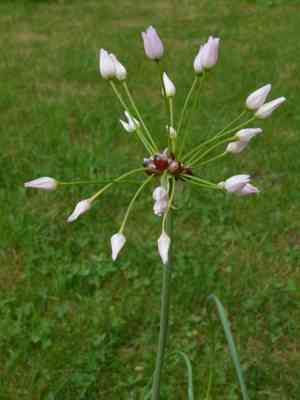
A perennial with a bulbous base, oneleaf onion is recognized for its collection of star-like blossoms situated on delicate stalks. Trim faded flower stems right after flowering concludes to hinder seed development, thereby channeling vitality back to the bulbs. The most suitable time for trimming extends from spring to autumn, aligning with its period of vigorous development. Consistent removal of spent blooms stimulates strong growth. Removing withered leaves is recommended once they turn yellow after flowering, which promotes a more robust plant prepared for the subsequent growing season.
Advantages of Trimming Oneleaf Onion
Advantages of Trimming Oneleaf Onion
Trimming oneleaf onion can result in improved flowering, stimulate vigorous development, and maintain a desired shape, ensuring the plant's health and visual appeal.
Optimal Time for Trimming Oneleaf Onion
Optimal Time for Trimming Oneleaf Onion
Late spring is an ideal period for trimming oneleaf onion as it occurs after the blooming phase, which helps avoid removing the flowers. Summer trimming allows the gardener to shape the plant and manage unwanted growth when oneleaf onion is actively growing. Trimming in early autumn, before the plant enters dormancy, permits the removal of any dead or damaged foliage, promoting better health and preparation for the subsequent growing season. Trimming during these seasons ensures minimal stress on oneleaf onion while leveraging its natural growth cycles and energy reserves for optimal recovery.
Necessary Tools for Trimming Oneleaf Onion
Bypass Pruners
Perfect for making precise cuts on the leaves or flower stems of oneleaf onion without crushing plant tissues, which is crucial for maintaining plant health and encouraging future growth.
Scissors or Snips
Useful for accurate trimming of delicate flower stems or removal of spent blooms on oneleaf onion. These tools offer control and precision and are less likely to harm the plant's slender stems.
Gardening Gloves
Though not a cutting tool, gloves are vital for protecting the gardener's hands from sharp edges and potential skin irritants while trimming oneleaf onion.
How to Trim Oneleaf Onion
Removal
Identify and carefully eliminate any diseased leaves from oneleaf onion to prevent the spread of illness. Use clean, sharp scissors or pruning shears to make clean cuts without tearing the plant's tissue.
Thinning
Thin out congested areas to enhance air circulation by pruning out a few of the withered leaves. Ensure to preserve the overall shape and natural appearance of oneleaf onion.
Deadheading
Deadhead oneleaf onion by cutting off faded flowers at the base of the flower stem. This process encourages oneleaf onion to direct more energy into bulb growth rather than seed production.
Cleanup
After trimming, gather and dispose of all removed plant material to reduce the likelihood of disease spread and pest attraction.
Tool Care
Clean and disinfect trimming tools after use to avoid transferring potential pathogens to oneleaf onion or other plants during future trimming sessions.
Common Trimming Errors with Oneleaf Onion
Over-trimming
Cutting back too much of oneleaf onion can weaken the plant, making it susceptible to pests and diseases.
Incorrect cutting
Making cuts too close to the bulb or in the wrong location can damage the main structure of oneleaf onion, hindering its growth.
Removal of healthy leaves
Beginner gardeners might inadvertently remove healthy foliage, which is essential for photosynthesis and providing energy for oneleaf onion's growth.
Trimming flower stems too early
Removing the flower stems before they have naturally withered can reduce the plant's ability to store energy for the subsequent season.
Using dull tools
Employing dull or unclean trimming tools can lead to jagged cuts that are prone to infections, affecting the overall health of oneleaf onion.
General Trimming Advice for Oneleaf Onion
Sharp and clean cut
Use sharp, sterilized shears to make clean cuts, which help prevent diseases and allow oneleaf onion to heal quickly.
Post-blooming trimming
Once the flowers have faded, cut back the stalks to just above soil level to maintain a neat appearance and prevent self-seeding if desired.
Leave foliage
After flowering, allow the foliage to die back naturally, providing time for oneleaf onion to photosynthesize and store energy.
Bulb protection
If you must cut back foliage, ensure that enough green leaves remain to continue feeding the bulb for next year's growth.
Gentle handling
Exercise care when handling oneleaf onion, as excessive force might damage the bulb or roots, compromising the plant's structure and health.



