How to Propagate Oneleaf onion?
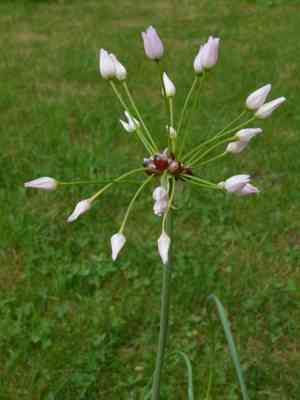
Oneleaf onion is a robust plant that requires particular conditions for successful reproduction. The most efficient method involves utilizing its underground storage organs. Gently detach the tubers from an established plant while it is in its resting period. Verify that each tuber retains a segment of its root structure. Reinsert the tubers into soil that drains effectively, fortified with organic material to supply vital nourishment for peak development.
Optimal Time for Oneleaf Onion Propagation
Propagation Method
Utilize The Tubers
Propagation Period
Spring
Tools for Oneleaf Onion Propagation
Small Spade or Trowel
This implement is crucial for excavating and relocating oneleaf onion tubers. Its compact size allows for precise handling, preventing damage to tubers and surrounding roots during removal. This ensures the vitality and health of oneleaf onion during propagation.
Tuber Storage Box
A storage container with ample ventilation promotes air circulation, vital for keeping oneleaf onion tubers dry and disease-free during pre-planting storage. This box helps maintain tubers in prime condition, minimizing rot or mold, which can severely impact propagation success.
Sharp Knife
Used for dividing tubers if necessary. A sharp blade ensures clean cuts, minimizing harm to oneleaf onion tubers. Clean cuts help prevent infections, fostering healthier regrowth during propagation.
Labeling Tags and Marker
Essential for tracking oneleaf onion varieties and planting dates. Labels aid in monitoring growth stages and care needs, ensuring proper management throughout the propagation and growth process.
Watering Can with Fine Rose
Delivers gentle irrigation that doesn't disturb the soil or newly planted oneleaf onion tubers. The fine rose attachment distributes water evenly, preventing soil erosion around tubers and ensuring young sprouts receive necessary moisture without being dislodged.
Caring for Newly Propagated Oneleaf Onion
Caring for Newly Propagated Oneleaf Onion
Post-propagation, continue to care for oneleaf onion by maintaining moderate soil moisture and providing full to partial sun exposure. Avoid excessive watering, which can lead to bulb rot. During the growing season, apply a balanced, slow-release fertilizer to support robust growth. In colder climates, mulch the planting site to protect the bulbs during winter.
Common Errors to Avoid When Propagating Oneleaf Onion
Overwatering
Watering oneleaf onion too frequently can cause root rot, as its bulbs are sensitive to excessive moisture. This error compromises the plant's health, potentially leading to decay and fungal growth.
Deep Planting
Placing oneleaf onion bulbs too deep in the soil can impede sprouting. Incorrect depth can delay or inhibit shoot emergence, affecting overall growth and bloom.
Ignoring Soil Composition
Using unsuitable soil that lacks proper drainage can be detrimental for oneleaf onion. Compacted or heavy soil may retain too much moisture, impacting bulb health and leading to rot.
Tips for Propagating Oneleaf Onion
Adequate Spacing
Provide sufficient room between bulbs when planting oneleaf onion. Proper spacing helps prevent overcrowding, ensuring better access to nutrients and reducing competition.
Proper Soil Preparation
Use well-draining soil for oneleaf onion to prevent waterlogging. Amending the soil with organic matter like compost can improve drainage and supply essential nutrients.
Regular Monitoring
Check the soil's moisture level and the overall health of oneleaf onion regularly. Early detection of issues like dry soil or signs of disease can help in taking timely corrective actions.



