How to Transplant Largeflower onion?
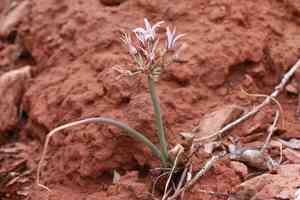
Largeflower onion flourishes when relocated during the moderate weather of early spring or late autumn to early winter, promoting vigorous development. Select a bright, adequately draining spot. Avoid overly wet areas to avert root decay and guarantee a successful transplant.
Essential Preparations Before Relocating Largeflower Onion?
Optimal Period for Moving Largeflower Onion?
The best time to move largeflower onion is during early spring or from late autumn to early winter. These periods allow largeflower onion to develop strong root systems before intense growth or harsh weather. Relocating during these seasons maximizes root growth and adaptability, leading to healthier, more robust plants.
Recommended Spacing Between Largeflower Onion Plants?
When relocating largeflower onion, ensure a 6-8 inch (15-20 cm) gap between them. This provides ample room for each plant to grow and establish without crowding, promoting optimal health and development.
Ideal Soil Mixture for Largeflower Onion Relocation?
Prepare soil that drains well and is rich in organic matter for largeflower onion. Incorporating compost or a balanced, slow-release fertilizer can supply the nutrients this perennial needs to flourish. Aim for a soil pH that is neutral to slightly acidic.
Preferred Location for Your Largeflower Onion?
Select a sunny spot for relocating largeflower onion. This plant thrives in full sun, requiring at least 6 hours of direct sunlight daily for vigorous growth. In very hot climates, a location with afternoon shade can help keep the plants cool.
Equipment Needed Before Relocating Largeflower Onion?
Gardening Gloves
To safeguard your hands while handling soil and plants.
Trowel
For excavating around the plant's root ball and creating new planting holes.
Shovel or Spade
To assist in lifting larger plants from the ground.
Watering Can or Hose
For hydrating the plant before and after relocation.
Garden Fork
To loosen the soil, making plant removal easier.
Bucket or Tray
For transporting the plant if moving a considerable distance.
Mulch
To aid in retaining soil moisture after relocation.
How to Extract Largeflower Onion from the Soil?
How to Extract Largeflower Onion from the Soil?
From Ground: First, moisten the soil by watering the plant. Next, dig a wide trench around the plant using a shovel or spade, ensuring the root ball remains intact. Carefully work the spade beneath the root ball to lift the plant from its original spot.From Pot: Water the plant thoroughly an hour prior to removal. Hold the plant at its base and gently tap the pot to loosen the soil. Tilt the pot sideways and carefully slide the plant out, supporting the root ball.From Seedling Tray: Gently water the seedlings. Carefully loosen the soil around each seedling with a trowel or small garden fork. Gently lift each seedling by its leaves, avoiding damage to the stem or roots.
Step-by-Step Guide for Relocating Largeflower Onion
Prepare the New Site
Ensure the chosen location is ready before removing the plant. Dig a hole twice the width of the root ball and similar in depth to its previous growing spot.
Remove the Plant
Using the appropriate method from the removal process section, carefully extract the largeflower onion plant from its original position.
Inspect and Trim
Examine the roots for any damage and prune away any broken or unhealthy roots using sanitized scissors.
Place in New Hole
Position the plant into the prepared hole, ensuring it is at the same depth as it was in its initial location.
Backfill Soil
Fill the hole with soil, gently firming it around the plant to eliminate air pockets, and water lightly to settle the soil.
Mulching
Apply mulch around the plant's base to help retain moisture and suppress weeds.
Post-Relocation Care for Largeflower Onion?
Watering
Keep the soil around the largeflower onion consistently damp, but not waterlogged, for the initial weeks after relocation to encourage strong root development.
Monitoring
Regularly check the plant for signs of distress such as wilting or yellowing leaves and adjust care as needed.
Support
If largeflower onion is tall and susceptible to wind damage, consider providing support with stakes or garden twine.
Addressing Common Issues with Largeflower Onion Relocation.
When is the best time to relocate largeflower onion?
Relocate largeflower onion in early spring or from late fall to early winter for optimal outcomes.
What is the ideal spacing for largeflower onion during relocation?
Space each largeflower onion 6-8 inches (15-20 cm) apart to provide ample room for growth.
How deep should I plant largeflower onion bulbs?
Plant largeflower onion bulbs 3-4 inches (8-10 cm) deep to ensure proper root development.
How should the soil be prepared for largeflower onion?
Utilize well-draining soil enriched with compost to supply largeflower onion with essential nutrients.
How often should I water newly relocated largeflower onion?
Water largeflower onion thoroughly after relocation and maintain moist, but not waterlogged, soil until established.
What should I do if the relocated largeflower onion shows signs of stress?
Provide shade during hot periods, and ensure they receive adequate water without overwatering.
How do I protect largeflower onion from pests after relocation?
Employ natural repellents or barriers to deter pests from largeflower onion and regularly inspect for issues.
Is mulch beneficial for relocated largeflower onion?
Yes, applying a 2-3 inch (5-7.5 cm) layer of mulch helps retain moisture and regulate soil temperature.
How can I ensure largeflower onion roots establish quickly?
Water consistently, avoid disturbing the roots, and consider using a root growth stimulant during relocation.
What are common relocation shock signs for largeflower onion?
Wilting, yellowing leaves, or stunted growth may indicate relocation shock; provide care to alleviate stress.



