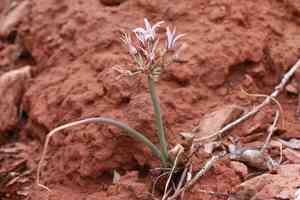
Largeflower onion (Allium macropetalum)
Also known as: Allium species, Desert onion
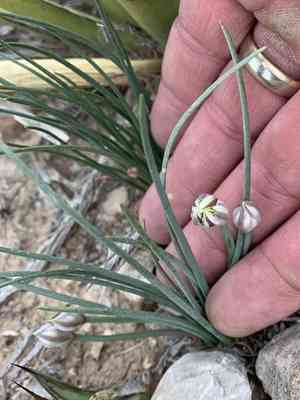
Allium macropetalum produces egg-shaped bulbs that can reach up to 2.5 cm in length. The flowers are bell-shaped and range in color from pink to purple, measuring up to 1.2 cm across. They feature either yellow or purple anthers.
In This Article
Attributes of Largeflower onion
Lifespan
Perennial
Plant Type
Herb
Plant Height
0 mm to 30 cm
Spread
Not applicable
Leaf Color
Green
Flower Size
1-2 cm
Flower Color
Pink or white
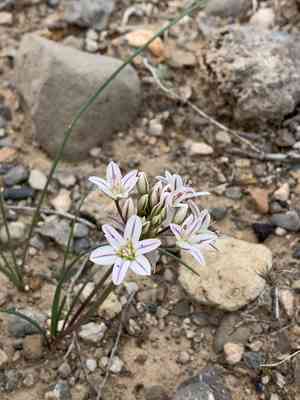
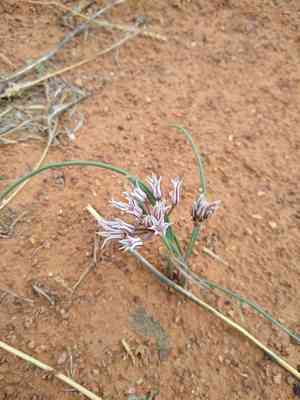
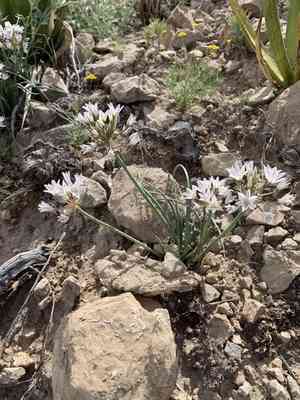
Images of Largeflower onion
Quickly Identify Largeflower onion
1
Look for a bulbous plant with long, slender, grass-like leaves and a cluster of pink or white flowers at the end of a leafless stalk. The flowers are star-shaped and have six petals.
Scientific Classification of Largeflower onion
Phylum
Vascular plants
Class
Monocotyledons
Order
Asparagales
Family
Amaryllis
Genus
Onions
Species
Largeflower onion
Planting and Growing of Largeflower onion
Care Difficulty
Easy
Watering Schedule
Every 4 days
Sunlight Requirements
Partial sun
Sunshine Duration
6-10 hours
Ideal Temperature
60-75℉
Soil Type
Potting Mix, Peat Mix
Soil pH
6.5-7.5
Fertilizer Type
Balanced
Pruning Season
Spring, Summer
Pruning Area
Branches, Leaves
Pruning Frequency
2 times a year
Repotting Season
Spring
Pot Type
Plastic, Ceramic
 How to Water Largeflower onion?
For Allium macropetalum, each watering session should aim to provide approximately 150 milliliters of water. The goal is to keep the soil slightly moist but never soggy. Make sure the water thoroughly moistens the soil but avoids pooling, as this plant does best in well-drained conditions.
What are the symptoms of an underwatered Largeflower onion?
›
What should I do if my Largeflower onion is not getting enough water?
›
What are the symptoms of an overwatered Largeflower onion?
›
How to save an overwatered Largeflower onion?
›
 What Are the Sunlight Requirements for Largeflower onion?
Partial sun is optimal, with 4 to 6 hours of sunlight daily. Ideal lighting promotes healthy photosynthesis and strong growth, aiding in resource efficiency and overall plant vigor. Proper lighting conditions also support flowering, ensuring the plant reaches its decorative potential.
What is the best lighting setup?
›
How to achieve the ideal lighting conditions?
›
Benefits of ideal lighting conditions?
›
 What Is the Ideal Temperature Range for Largeflower onion?
The ideal temperature range for Allium macropetalum is between 60°F and 75°F. Within this range, the plant is able to optimize photosynthesis, ensuring healthy growth and development. Temperatures outside this range may hinder metabolic processes, affecting the plant's overall vigor.
 What Soil is Best for Largeflower onion?
Allium macropetalum thrives in well-drained soils which prevent root rot and ensure healthy growth. This requirement is crucial as it allows for adequate air circulation around the roots, preventing waterlogging and encouraging the plant to establish a robust root system. Though adaptable, adding organic matter or compost can vastly benefit Allium macropetalum, enriching the soil with nutrients that promote vibrant blooms and strong stems. Providing a nutrient-rich environment helps this plant to maximize its flowering potential and overall vigour. Maintaining a balance in moisture retention is key for the healthy life of Allium macropetalum. The soil should retain enough moisture to sustain the plant without becoming soggy, helping maintain optimal growth and preventing dehydration.
 How to Fertilize Largeflower onion?
For Allium macropetalum, it is essential to use an appropriate amount of fertilizer to ensure optimal growth. Generally, applying approximately half the recommended dose on the fertilizer package is ideal. For liquid fertilizers, use about 1 tablespoon per gallon of water. For slow-release granules, apply about one tablespoon per square foot around the plant. This prevents nutrient burn while providing necessary nourishment.
 How to Prune Largeflower onion?
Inspect the plant carefully to identify dead or damaged leaves and stalks. These parts should be removed to direct energy towards healthy growth. Make your cuts slightly above a healthy leaf joint or new bud. This encourages the plant to grow more vigorously from these points and improves overall structure. For Allium macropetalum, maintaining a tidy and balanced shape post-pruning helps in maximizing exposure to sunlight and promotes a stronger, more uniform growth pattern.
More About Pruning Techniques→
 How to Propagate Largeflower onion plant?
1
Start by filling seed trays with a high-quality, well-draining potting mix. Moisten the soil before placing the Allium macropetalum seeds evenly over the surface. Gently press them into the soil and cover lightly with additional mix. Maintain consistent moisture until germination.
2
In early spring, dig up large clumps of Allium macropetalum bulbs using a spade. Carefully separate individual bulbs ensuring each has roots attached. Plant these divisions at the same depth they were growing before to promote healthy growth.
3
After planting seeds or dividing bulbs, water them thoroughly to settle the soil around them. Ensure that the soil remains consistently moist but not waterlogged during the entire root establishment phase.
 How to Repot Largeflower onion plant?
1
Repot Allium macropetalum when its bulb begins outgrowing the current container, presenting a lack of space evidenced by poor drainage or slower growth. Usually, this occurs every one to two years, especially if you notice roots peeping through the drainage holes or the soil drying out excessively fast. These signs indicate the plant's need for more space and fresh soil nutrients to thrive and bloom robustly.
2
Select a pot with adequate drainage holes that's around 1-2 inches larger in diameter than the current one. This prevents waterlogging and root rot, crucial for Allium macropetalum. A ceramic pot can offer sturdiness and insulation benefits, aiding in maintaining suitable soil temperature, while a plastic pot, being lightweight, is easy to maneuver, especially for porch or deck displays. The chosen pot should also harmonize with your garden's aesthetic, enhancing the plant's allure.
3
Use a well-draining sandy loam mix for optimal results. Amending regular potting soil with sand or perlite encourages air circulation around the roots and excellent drainage, essential for preventing the bulb from sitting in damp conditions susceptible to rot. This soil type also replicates the plant’s natural habitat, aiding in implementation of a robust growth pattern and healthy blooms.
Learn More About Largeflower onion Diseases
Anthracnose
Bacterial Leaf Spot
Bacterial Soft Rot
Bacterial Wilt
Cyst Nematode
Damping-off
Downy Mildew
Drought Stress
Fusarium Wilt
Gray Mold
Leaf Spot
Mosaic
Nutrient Deficiency
Nutrient Toxicity
Powdery Mildew
Root Rot
Root-knot Nematode
Rusts
Spider Mites
Temperature Stress
Thrips Damage
White Mold



