How to Prune Largeflower onion?
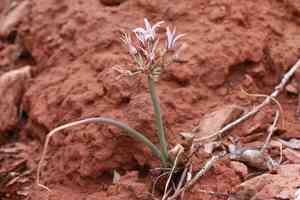
This variety, recognized for its impressive sizable blossoms and bulbous structures resembling onions, needs only slight trimming to sustain its health and vitality. Trimming ought to be carried out in the latter part of spring or early summer, following the blooming period, to eliminate faded flowers and stimulate subsequent flowering. Severing the flower stems at their base deters self-propagation and redirects energy towards the development of the bulbs. Consistent elimination of desiccated foliage additionally fosters improved air circulation, thereby diminishing the likelihood of fungal infections.
What Are the Benefits of Pruning Largeflower Onion?
What Are the Benefits of Pruning Largeflower Onion?
Trimming largeflower onion promotes robust development and maintains its compact form, crucial for its peak health and visual appeal. Consistent pruning helps revitalize the plant, ensuring it stays attractive and flourishes in garden environments.
What Is the Best Time for Pruning Largeflower Onion?
What Is the Best Time for Pruning Largeflower Onion?
Pruning largeflower onion during Spring and Summer is beneficial due to its active growth in these periods, allowing the plant to recover quickly from trimming and fostering healthier blooms. Spring pruning aids in shaping the plant and encourages vigorous new growth, vital for the flowering phase. Summer pruning is ideal for removing spent flowers, which stimulates largeflower onion to produce more blooms and preserves its aesthetic charm. Additionally, eliminating old or dead foliage in these seasons helps prevent disease and optimizes plant vitality.
What Tools Do I Need to Prune Largeflower Onion?
Hand Pruners
Perfect for making clean cuts on the thinner, more succulent stems of largeflower onion. They assist in precise trimming without harming adjacent stems.
Gardening Scissors
Excellent for snipping off faded flower heads and slender stems. This ensures proper plant upkeep without damaging the smaller, more delicate parts of largeflower onion.
How to Prune Largeflower Onion
Inspection
Carefully examine largeflower onion for any indications of diseased leaves, withered foliage, and unhealthy stems. Look for discoloration, wilting, and other signs of damage.
Sterilization
Sanitize pruning shears and other cutting implements with rubbing alcohol to prevent the spread of pathogens between plants.
Removal diseased leaves
Remove any diseased leaves by cutting them at their base where they connect to the main stem. Ensure a clean cut to minimize harm.
Removal withered leaves
Trim away all withered leaves, again cutting at the base. This allows for healthier growth and improved air circulation.
Remove diseased stems
Cut off any diseased stems, making sure to cut back to healthy tissue. Dispose of all trimmed parts properly to avoid contaminating other plants.
Common Pruning Mistakes with Largeflower Onion
Overpruning
A frequent error is removing too much foliage, which can weaken largeflower onion. Limit pruning to removing dead or faded flowers and any unhealthy foliage to maintain plant vigor and aesthetic appeal.
Improper tool use
Using dull or dirty pruning tools can damage largeflower onion's stems, potentially introducing disease. Always use clean, sharp scissors or pruning shears.
Pruning live flowers
Cutting back largeflower onion while it still has live flowers can prematurely halt the blooming process. Focus on deadheading, removing only spent blooms to encourage more flowers.
Common Pruning Tips for Largeflower Onion
Deadheading spent flowers
Regularly remove dead or faded flowers from largeflower onion. This promotes further blooming by preventing the plant from diverting energy into seed production.
Cutting back foliage
After blooming, trim back dead or overgrown foliage to maintain a neat appearance and improve air circulation, which helps prevent disease.
Tool maintenance
Maintain pruning tools in optimal condition by regularly cleaning and sharpening them. This ensures clean cuts that heal quickly, minimizing stress on largeflower onion.



