How to Transplant Coastal onion?
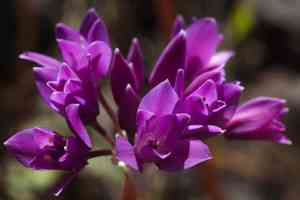
The perennial coastal onion is most effectively relocated in early spring or late autumn to facilitate robust root development. Select a site that receives ample sunlight and drains efficiently. Preferring cooler, more humid intervals aids in achieving successful growth and acclimatization, given suitable environmental factors.
Essential Preparations Before Relocating Coastal Onion
Optimal Timing for Moving Coastal Onion?
The best periods for relocating coastal onion are early spring or late autumn. Moving it in early spring allows the plant to establish its root system before summer's heat, promoting robust development. Conversely, late autumn enables the plant to benefit from cooler weather and rainfall, facilitating stress-free root establishment. Both timings help minimize transplant shock and enhance survival rates.
Recommended Spacing Between Coastal Onion Plants?
Position coastal onion approximately 4-6 inches (10-15 cm) apart to provide ample room for growth and development. This spacing ensures each plant receives sufficient nutrients and sunlight without becoming overcrowded.
Ideal Soil Mixture for Coastal Onion Relocation?
Prepare well-draining sandy or loamy soil for coastal onion. Enhance the soil with a balanced foundational fertilizer, such as a 10-10-10 (N-P-K) blend, to support vigorous growth.
Selecting a New Location for Your Coastal Onion?
Choose a sunny spot for relocating coastal onion, as they flourish best in full sun. Ensure the chosen site receives at least 6 hours of direct sunlight daily to encourage strong growth.
Tools Required Before Transplanting Coastal Onion
Gardening Gloves
To safeguard your hands while handling soil and plants.
Hand Trowel
Useful for digging small holes and loosening soil around the plant.
Shovel or Spade
For excavating larger holes and lifting plants from the ground.
Watering Can or Hose
To hydrate the soil both prior to and following transplantation.
Garden Fork
For aerating the soil around the roots when extracting from the ground.
Wheelbarrow
Helpful for moving the plant to its new position.
Plant Labels or Markers
To identify plant species and record planting dates.
Method for Extracting Coastal Onion from the Soil?
Method for Extracting Coastal Onion from the Soil?
From Ground: First, moisten the coastal onion plant to dampen the soil. Next, dig a wide trench around the plant using a shovel or spade, ensuring the plant's root ball remains intact. Carefully work the spade beneath the root ball to lift the plant from its original spot.From Pot: Gently water the soil to facilitate easier removal of the coastal onion plant. Tilt the pot and tap its sides to loosen the soil. Carefully slide the plant out, supporting the root ball with your hand.From Seedling Tray: Water the tray thoroughly before extracting the coastal onion plant. Use a hand trowel or a small scoop to gently lift each seedling from the tray, ensuring the soil around the roots stays intact.
Step-by-Step Guide for Relocating Coastal Onion
Prepare the New Site
Ensure the new planting location is ready by loosening the soil and removing any weeds. Dig a hole that is twice the width and depth of the plant's root ball.
Hydrating the Plant
Water the coastal onion plant thoroughly before removal to minimize transplant shock.
Position the Plant
Carefully place the coastal onion plant in the new hole, making sure the top of the root ball is level with the ground surface. Gently untangle the roots if they are matted.
Backfill the Hole
Fill the hole with the prepared soil, pressing down gently to eliminate air pockets. Ensure the plant is stable and upright.
Water Again
Give the newly relocated coastal onion a generous watering to help settle the soil around the roots.
Mulching
Apply a layer of mulch around the base of the plant to help retain moisture and suppress weed growth.
Post-Transplant Care for Coastal Onion
Watering
Keep the soil around the coastal onion consistently moist, but not waterlogged, for the initial few weeks after transplanting to aid in strong root establishment.
Monitoring
Regularly inspect the plant for signs of stress, such as wilting or yellowing leaves, and adjust care as necessary.
Weeding
Keep the area around the coastal onion free from weeds to reduce competition for nutrients and water.
Support
If the coastal onion requires staking or supports, install these early to avoid disturbing the roots later.
Addressing Common Issues with Coastal Onion Relocation.
When is the best time to relocate coastal onion?
Relocate coastal onion in early spring or late fall for optimal results and growth.
How much space should I leave between coastal onion plants?
Maintain 4-6 inches (10-15 cm) between each coastal onion plant for healthy development.
How should I prepare the soil for relocating coastal onion?
Utilize well-draining soil, enriched with compost or organic matter for nutrient-rich conditions.
How deep should coastal onion bulbs be planted?
Plant coastal onion bulbs 2 inches (5 cm) deep to provide sufficient stability and nutrient access.
How do I minimize transplant shock for coastal onion plants?
Water coastal onion thoroughly after transplanting and avoid disturbing the roots during the process.
What should I do if coastal onion leaves start yellowing?
Check for overwatering or poor drainage; coastal onion prefers well-drained soil to prevent root rot.
How can I protect coastal onion from pests during transplanting?
Employ organic pest deterrents like neem oil or insecticidal soap if pests are a concern.
What's the ideal temperature for relocating coastal onion?
Coastal onion transplants best in mild temperatures, around 60-65°F (15-18°C).
How do I ensure coastal onion receives enough sunlight?
Coastal onion requires full sun, at least 6 hours a day; plant in a sunny location.
How soon should I fertilize coastal onion after transplanting?
Fertilize coastal onion with a balanced fertilizer 2-3 weeks after transplanting for optimal growth.



