How to Prune Coastal onion?
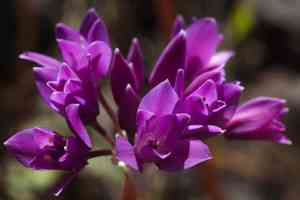
The coastal onion, a perennial bulb distinguished by its vivid pink to white blossoms, flourishes with limited trimming. Essential methods include detaching withered flowers and cutting back deceased or declining leaves each year. The most effective time for pruning is in late spring or summer, after blooming, to stimulate bulb renewal and preserve an attractive form. Consistent trimming guarantees more robust development and boosts flowering by averting energy expenditure on seed formation.
What Are the Benefits of Pruning Coastal Onion?
What Are the Benefits of Pruning Coastal Onion?
Trimming coastal onion promotes robust development and maintains its desired form. This selective cutting helps stimulate new growth, optimizing vitality and appearance, while managing size for landscape aesthetics.
What Is the Best Time for Pruning Coastal Onion?
What Is the Best Time for Pruning Coastal Onion?
Trimming coastal onion during Spring and early Summer aligns well with its active growth phase, ensuring that the plant can recover rapidly and enhance its vigor following the pruning process. In Spring, coastal onion resumes growth after dormancy, making it an ideal time for shaping the plant and removing any dead or damaged foliage without stressing it. This timing also allows coastal onion to focus its energy on producing new, healthy growth during the high-growth period of early Summer. This practice not only contributes to a more robust and aesthetically pleasing plant but also minimizes the risk of disease by removing potential sites of infection. Pruning during these seasons helps coastal onion direct energy to developing strong roots and abundant blooms, which usually appear subsequently in the growing cycle.
What Tools Do I Need to Prune Coastal Onion?
Bypass Pruners
Perfect for making clean cuts on the slender stems of coastal onion, bypass pruners provide a sharp, scissor-like cut that is important for maintaining plant health and preventing damage.
Garden Scissors
Garden scissors are useful for precision trimming of coastal onion's delicate foliage, helping to shape the plant without causing unnecessary stress or tearing of the plant tissues.
Handheld Snips
These are excellent for deadheading or removing spent flowers from coastal onion to encourage further blooming and maintain aesthetic appeal without damaging adjacent stems.
How to Prune Coastal Onion
Identify
Inspect coastal onion carefully to identify diseased or withered leaves and any diseased stems. Look for signs of discoloration, spots, or decay.
Disinfect
Before starting the pruning process, disinfect your pruning tools. This can be done with a solution of bleach and water or rubbing alcohol to prevent the spread of disease.
Prune leaves
Using sharp, clean shears, carefully remove all diseased and withered leaves from coastal onion. Ensure cuts are made close to the base of the leaf to avoid leaving stubs which can be entry points for pathogens.
Prune stems
If any stems seem affected, prune them back to healthy tissue. Make the cuts at a 45-degree angle to promote water runoff and avoid moisture accumulation that can lead to further disease.
Clean up
After pruning, clean up all removed material from around coastal onion to prevent any disease from spreading. Dispose of the diseased plant material properly, not in your compost bin.
Common Pruning Mistakes with Coastal Onion
Overpruning
Removing too much foliage from coastal onion can stress the plant, reducing its ability to photosynthesize and slowing its growth. Itâs key to remove only dead or diseased parts unless thinning for air circulation.
Wrong technique
Using dull or dirty pruning tools can damage coastal onion's delicate stems, potentially leading to disease entry points. It's important to use clean, sharp scissors or shears.
Ignoring plant health
Pruning coastal onion when it is unhealthy can further stress the plant. Ensure the plant is well-hydrated and healthy before starting to prune.
Common Pruning Tips for Coastal Onion
Timing
Although the best season specifics are excluded, itâs critical to observe coastal onionâs health and flowering cycle to choose a good time within that span for pruning activities.
Technique
Make clean cuts at a 45-degree angle just above leaf nodes or swollen bulbous sections to promote healthy regrowth and prevent water accumulation that could cause rot.
Tool maintenance
Ensure pruning tools are both sharp and sterilized before each use to make precise cuts and prevent the spread of pathogens.
Monitor growth
Regularly monitor coastal onion after pruning for signs of new growth or any distress. Adjust care practices accordingly to support robust health and vibrant blooms.



