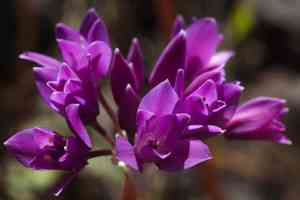
Coastal onion (Allium dichlamydeum)
Also known as: Coast Onion, Pig Onions
Coastal onion (*Allium dichlamydeum*) is a wild onion native to California, thriving on sea cliffs and rugged hillsides. This rare, salt-tolerant plant is not cultivated ornamentally and remains within its natural habitat. It attracts several moth species, such as the epsilon dart, the armyworm moth, and the subterranean dart.
In This Article
Attributes of Coastal onion
Lifespan
Perennial
Plant Type
Herb
Plant Height
10-30 cm
Spread
N/A
Leaf Color
Green
Flower Size
1-2 cm
Flower Color
Purple
Images of Coastal onion
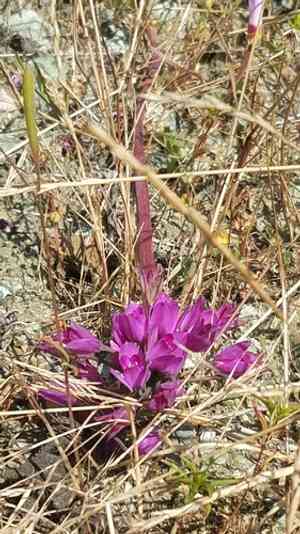
Quickly Identify Coastal onion
1
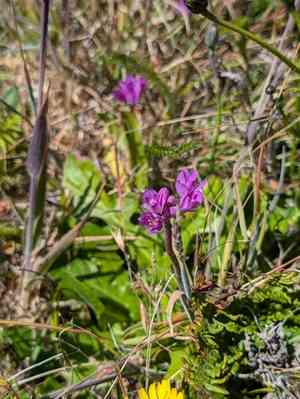
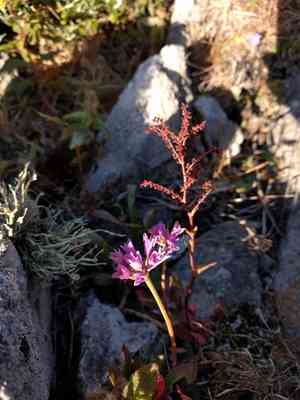
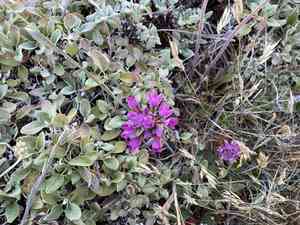
Look for its flat, shiny leaves and the distinctive cluster of pink to purple flowers. It typically grows in coastal habitats where it can be found blooming from late winter to spring.
Scientific Classification of Coastal onion
Phylum
Vascular plants
Class
Monocotyledons
Order
Asparagales
Family
Amaryllis
Genus
Onions
Species
Coastal onion
Planting and Growing of Coastal onion
Care Difficulty
Easy
Watering Schedule
Every 4 days
Sunlight Requirements
Full sun
Sunshine Duration
6-12 hours
Ideal Temperature
60-70℉
Soil Type
Potting Mix, Peat Mix
Soil pH
6.5-7.5
Fertilizer Type
Balanced
Pruning Season
Spring, Summer
Pruning Area
Branches, Leaves
Pruning Frequency
2 times a year
Repotting Season
Spring
Pot Type
Plastic, Ceramic
 How to Water Coastal onion?
For Allium dichlamydeum, water until the soil is moist but not waterlogged. A deep watering of approximately 500 ml ensures the water reaches the root zone, supporting the plant's growth effectively. Allow the soil to dry out between waterings to prevent root rot.
What are the symptoms of an underwatered Coastal onion?
›
What should I do if my Coastal onion is not getting enough water?
›
What are the symptoms of an overwatered Coastal onion?
›
How to save an overwatered Coastal onion?
›
 What Are the Sunlight Requirements for Coastal onion?
Allium dichlamydeum thrives in both full and partial sun, benefiting from daily exposure to encourage vigorous growth and flower production.
Optimal Sun Exposure
›
Sunlight Adjustment
›
Consistent Light Patterns
›
 What Is the Ideal Temperature Range for Coastal onion?
For optimal growth, Allium dichlamydeum thrives in temperatures ranging from 60°F to 70°F. This range supports healthy foliage development and flowering. Maintaining this temperature helps minimize stress, which could adversely affect the plant's growth.
 What Soil is Best for Coastal onion?
Allium dichlamydeum thrives in well-drained soil, which prevents waterlogging that can lead to root rot. This requirement ensures that the plant has sufficient access to oxygen and nutrients. These plants prefer soil that is not overly rich in nutrients. Too much fertilizer can cause aggressive growth of foliage at the expense of flowering. Balance is key for the right bloom-to-leaf ratio. A slightly acidic soil with pH levels from 6.5 to 7.5 is optimal. This pH range ensures proper nutrient absorption while maintaining ideal microbial activity within the soil, promoting healthy plant growth.
 How to Fertilize Coastal onion?
For Allium dichlamydeum, apply about 10 grams of liquid fertilizer per plant per application, ensuring a dilute solution to prevent root burn. Use balanced nutrients that support all stages of growth.
 How to Prune Coastal onion?
Begin by removing faded flowers to channel the plant’s energy into growth rather than seed production. Cut just above the nearest healthy leaf to ensure a tidy appearance. Look for any damaged or diseased leaves and cut them back to the base. This helps improve air circulation and reduces the spread of disease, keeping the plant healthy overall. To maintain or encourage a bushy form, make cuts at a 45-degree angle just above a leaf bud. This encourages new growth in the direction of the cut, promoting a fuller plant.
More About Pruning Techniques→
 How to Propagate Coastal onion plant?
1
Ensure the soil is well-draining and nutrient-rich. Amend with compost if necessary to provide a fertile ground for Allium dichlamydeum to thrive.
2
Sow the seeds in seed trays or directly in the ground at a depth of 1 cm, keeping the soil consistently moist until germination occurs.
3
Carefully lift the Allium dichlamydeum bulbs from the ground and gently separate the offsets. Replant immediately to prevent bulb drying.
 How to Repot Coastal onion plant?
1
Allium dichlamydeum signals its need for repotting when its growth slows or roots begin to protrude from the drainage holes. Choose spring or summer when the plant is in active growth for the best success during repotting.
2
Pick a pot slightly larger than the current one, with ample drainage holes. A terracotta pot can work well as it allows the soil to breathe, preventing root rot, which is common in overly moist conditions.
3
Select a well-draining sandy soil mix rich in organic matter. This ensures that excess water can escape easily, preventing waterlogged roots while promoting healthy bulb development.
Toxicity
Ingestion
WARNING
The judgment on toxicity and danger is for reference only. We DO NOT GUARANTEE any accuracy of such judgment. Therefore, you SHALL NOT rely on such judgment. It is IMPORTANT TO SEEK PROFESSIONAL ADVICE in advance when necessary.



