How to Propagate Coastal onion?
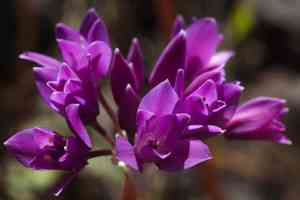
The coastal onion can be successfully multiplied using its underground storage organs. Gently detach these tubers from the parent plant while it is inactive and then reinsert them into a substrate that drains efficiently. Verify that every segment possesses a minimum of one bud for effective multiplication. This technique facilitates the swift increase and straightforward establishment of new specimens in appropriate garden environments or pots. Ensure sufficient hydration and prevent excessive density to foster robust development.
Optimal Time for Coastal Onion Propagation
Propagation Method
UtilizeTubers
Propagation Period
Spring
Tools Required for Coastal Onion Propagation
Sharp Knife or Scalpel
A keen knife or scalpel is vital for making clean cuts on coastal onion tubers. This precise incision minimizes tissue damage, which can reduce infection risk and boost successful rooting. The blade's cleanliness and sharpness ensure cuts are made without crushing plant material, crucial for healthy regrowth.
Disinfectant Solution (e.g., 70% Ethyl Alcohol)
Employing a disinfectant solution to sanitize cutting tools before slicing coastal onion tubers is essential. This practice prevents pathogen introduction and spread, which could compromise tuber health and propagation outcomes. It maintains the overall vitality of newly cut tubers, aiding successful establishment upon planting.
Planting Trays
Planting trays serve to organize and manage coastal onion tuber pieces post-cutting. These trays should offer ample space and support for each piece, preventing overcrowding. Proper arrangement in trays facilitates efficient monitoring and maintenance during the initial rooting phase, contributing to overall propagation success.
Potting Mix (Well-draining)
A well-draining potting mix is critical for successful coastal onion propagation, especially when using tubers. The mix should support adequate moisture retention without waterlogging, vital for healthy root development. Ensuring good drainage significantly reduces the risk of fungal diseases and root rot, common issues in poorly drained soils.
Rooting Hormone (Optional)
Applying a rooting hormone to the cut surfaces of coastal onion's tubers can enhance root growth and development. Though optional, rooting hormones can accelerate the rooting process and increase successful propagation chances, particularly in controlled environments with optimal growth conditions.
How to Propagate Coastal Onion?
Propagation Type
Simple
Caring for Your Newly Propagated Coastal Onion
Caring for Your Newly Propagated Coastal Onion
After propagation, observe coastal onion for growth signs and ensure soil remains moist but not waterlogged. Lightly fertilize with a balanced, slow-release fertilizer once sprouting occurs. Shield young shoots from pests and frost, using covers if needed. Regularly check for and manage any disease or insect infestations.
Common Errors to Avoid When Propagating Coastal Onion
Overwatering
Excessive watering of coastal onion can lead to root rot, as the plant's roots require a balance of moisture and air for healthy development. Overwatering diminishes oxygen availability to the roots, hindering their growth and the plant's overall health.
Using dense soil
Employing a soil mix that is too heavy or clay-rich for coastal onion hinders proper root growth and drainage. This can cause water to accumulate around the roots, fostering fungal infections and root rot.
Overcrowding
Planting coastal onion bulbs too close together can restrict air circulation and nutrient availability, reducing overall growth and increasing disease susceptibility.
Tips For Propagating Coastal Onion
Well-draining soil
Utilize a light, well-draining soil mix to encourage healthy root development and prevent waterlogging. This improves root aeration and lowers the risk of root diseases.
Adequate spacing
Ensure sufficient space between planted bulbs to allow for good air circulation and proper nutrient absorption. This helps prevent diseases and promotes a healthier growth pattern.
Proper watering
Water coastal onion moderately to keep the soil slightly moist, especially during the growth phase. Allow the soil to dry out slightly between waterings to facilitate optimal growth conditions.



