How to Transplant White colicroot?
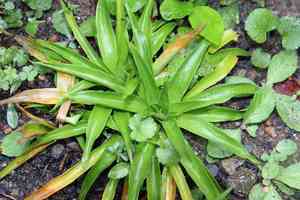
For optimal transplanting of white colicroot, the period from late spring to early summer is ideal, facilitating robust integration. Choose a location bathed in sunlight that offers excellent drainage. Exercising care during handling is essential to safeguard its fragile root structure.
What Preparations are Needed Before Transplanting White Colicroot?
What is the Ideal Time for Transplanting White Colicroot?
The best time to move white colicroot is during the calm period from late spring to early summer. This timing benefits from mild temperatures and consistent weather, providing an ideal setting for strong root development and growth. By relocating white colicroot in this gentle season, you allow it to settle, expand its roots, and strengthen its presence in the new spot before the full heat of summer. A helpful hint: this is when white colicroot can truly flourish, experiencing less stress and adapting better to its new home!
How Much Space Should You Leave Between White Colicroot Plants?
When preparing to plant your white colicroot, aim for ample room. Maintain a comfortable distance of 12 inches (30 cm) to 3 feet (91 cm) between each plant. This will provide them with sufficient space to grow and display their beauty!
What is the Best Soil Mix for White Colicroot Transplanting?
For your lovely white colicroot, you'll want soil that drains well and contains a good amount of organic material. Consider starting with a balanced fertilizer to give them the best possible start in their new location. They will reward you with impressive growth!
Where Should You Relocate Your White Colicroot?
Your white colicroot enjoys sunny spots, but also appreciates some shade. Find them a comfortable location where they can absorb sunlight for at least part of the day. They will be happiest with a mix of light and a touch of afternoon shade!
What Equipments Should You Prepare Before Transplantation White Colicroot?
Gardening Gloves
To safeguard your hands while handling soil and plants.
Shovel or Spade
For digging around and beneath the plant.
Garden Trowel
Useful for smaller excavations or refining the planting hole.
Watering Can or Hose
For hydrating white colicroot before and after relocation.
Measuring Tape
To ensure consistent spacing when planting multiple white colicroot.
Wheelbarrow
To transport white colicroot and soil as needed.
Pruning Shears
For trimming any dead or excess growth from white colicroot prior to transplant.
Root Pruning Saw or Knife
In case root separation is required during the removal process.
How Do You Remove White Colicroot from the Soil?
How Do You Remove White Colicroot from the Soil?
From Ground: First, moisten the white colicroot plant to dampen the earth. Then, excavate a wide trench around the plant using a shovel or spade, ensuring the plant's root ball remains intact. Carefully maneuver the spade beneath the root ball to lift the plant from its original spot.From Pot: Hydrate the white colicroot and gently tap the pot's sides to loosen the soil. Tilt the pot horizontally and carefully slide the plant out, supporting the root ball with your hand to prevent damage.From Seedling Tray: Water the seedling tray to ensure the soil is damp, which will facilitate the removal of individual white colicroot. Use a garden trowel or similar tool to gently lift the seedling along with its surrounding soil.
Step-by-Step Guide for Transplanting White Colicroot
Preparing the New Site
Dig a hole as deep and twice as wide as the white colicroot's root ball.
Root Ball Care
Examine the root ball and trim any broken or damaged roots with pruning shears. If the roots are circling, gently separate them. For larger plants, use a root pruning saw or knife to divide the root ball if necessary.
Placing the Plant
Position white colicroot in the center of the new hole, ensuring the top of the root ball is level with the surrounding ground.
Filling the Hole
Gently backfill the hole with the excavated soil, filling around the root ball without covering its top with excess soil.
Watering
After backfilling, thoroughly water white colicroot to help settle the soil around the roots and eliminate air pockets.
Staking (if needed)
If white colicroot is tall or top-heavy, provide support with a stake until it is established. Be careful not to harm the root ball while inserting the stake.
How Do You Care For White Colicroot After Transplanting?
Mulching
Apply a layer of mulch around the base of white colicroot to help retain moisture and reduce weed competition.
Monitoring Growth
Regularly check white colicroot for signs of stress and growth. New growth indicates successful transplanting.
Pruning
Remove any dead or damaged growth to direct energy to the healthy parts of white colicroot.
Watering Schedule
Maintain an adequate watering schedule to keep the soil moist as white colicroot establishes itself.
Troubleshooting Common Issues with White Colicroot Transplantation.
What's the best time to transplant white colicroot for success?
The optimal period to move white colicroot is from late spring to early summer, as the weather becomes warmer.
What spacing should I aim for when transplanting white colicroot?
Allow each white colicroot approximately 12 inches to 3 feet (30 cm to 91 cm) of space to flourish and spread its roots.
Should I water white colicroot immediately after transplanting?
Absolutely! Providing white colicroot with a thorough watering right after transplanting helps settle the soil and remove air pockets.
Why are my transplanted white colicroot wilting?
Wilting after transplanting may indicate shock. Ensure proper hydration, initially avoid direct sunlight, and use some shade to aid adjustment.
How deep should the hole be for transplanting white colicroot?
Excavate a hole twice as wide and just as deep as the root ball of your white colicroot to give it a comfortable start.
Is it necessary to amend the soil for white colicroot?
Enriching the soil with compost or well-rotted manure can provide white colicroot with a nutrient boost, promoting healthy growth.
How do I know if my white colicroot needs more water after transplanting?
Assess soil moisture by touch; if the top inch (2.5 cm) is dry, it's time to water your white colicroot.
Can I use fertilizer after transplanting white colicroot?
Refrain from immediate fertilization. Allow white colicroot to settle for 4-6 weeks before introducing a balanced liquid fertilizer.
Do I need to prune white colicroot after transplanting?
No pruning is required. Simply remove any damaged or diseased foliage to help white colicroot focus on establishing new roots.
My white colicroot isn't thriving post-transplant, what can I do?
Ensure white colicroot isn't planted too deeply, receives appropriate water, and check for signs of pests or diseases. Patience is key; it may simply be adjusting.



